Technology
Proception raises $11 million as Tesla lawsuit ends
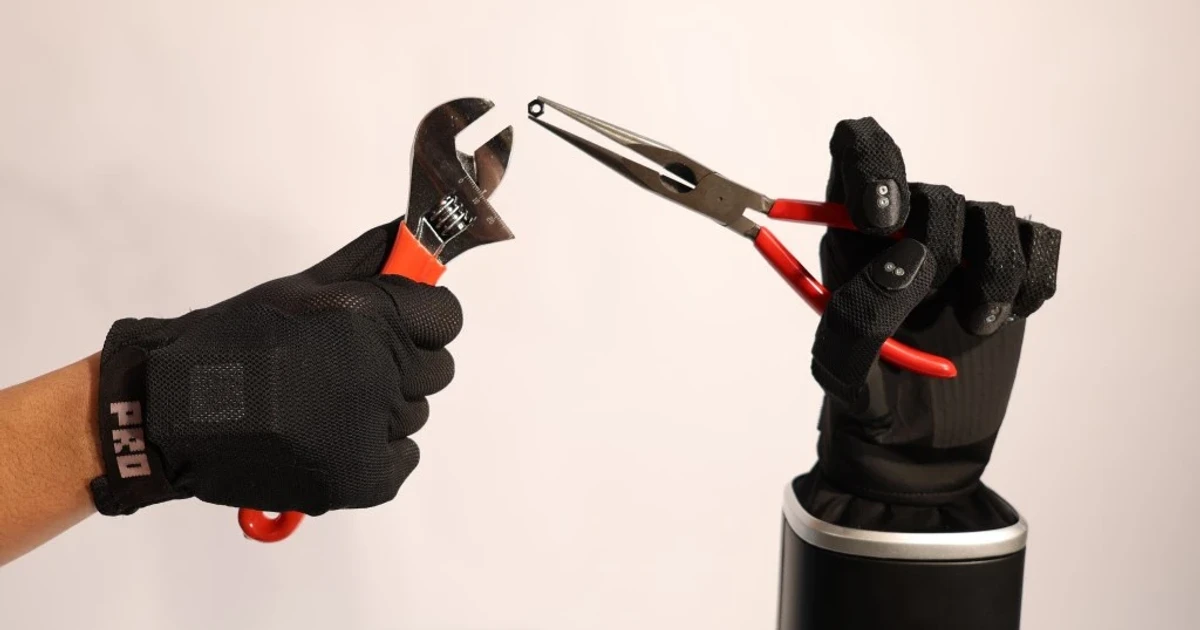
Proception raised $11 million in seed funding and began shipping the first batch of its high-dexterity robotic hand after Tesla dismissed a trade-secret lawsuit against the startup earlier this month. The round was led by First Round Capital, with participation from Y Combinator and BoxGroup.
Li, who was a technical lead on Tesla’s Optimus humanoid robot program, said the lawsuit may end up strengthening the company. “I think it’s kind of like a resilience test, or pressure test,” he told TechCrunch. “People say that what doesn’t kill you makes you stronger, right?” Proception is opening orders more broadly for the hand, pitching it to researchers and robotics companies that want to avoid building dexterous manipulation systems in-house.
Tesla’s June 12, 2025 complaint alleged that Zhongjie “Jay” Li worked at Tesla from August 2022 to September 2024, downloaded confidential Optimus information onto two personal smartphones, and researched humanoid robotic hands and venture capital on his work computer. Tesla also alleged that Li incorporated Proception less than a week after leaving the automaker and that, within five months, the startup publicly claimed to have built advanced humanoid robotic hands that resembled designs Li had worked on at Tesla.
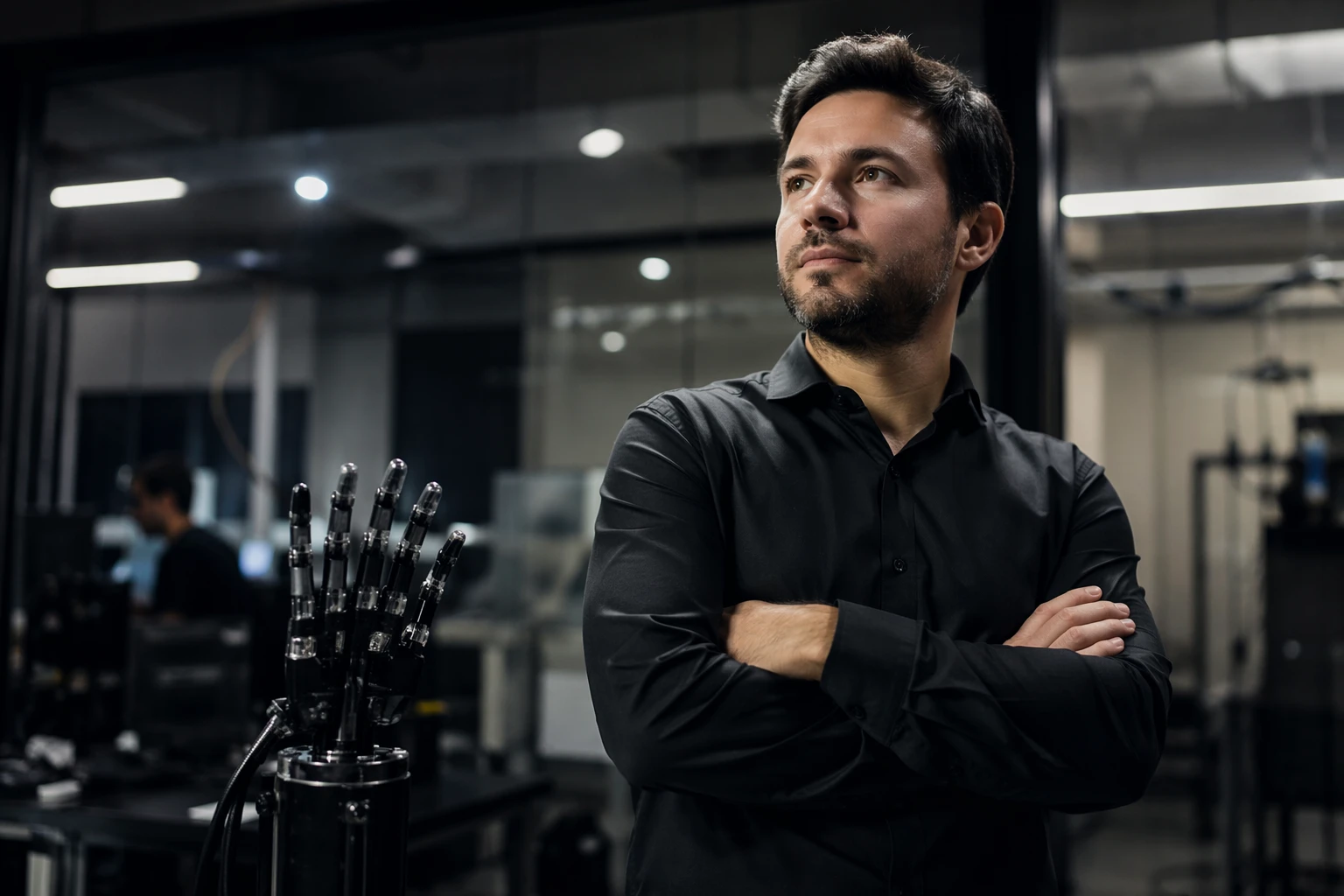
Proception is building advanced humanoid hands that move, feel and sense like human hands, and invites researchers and robotics companies to inquire about ProHand. Y Combinator lists Proception as founded in 2024 by Li and Jack Xu and having 10 employees based in San Francisco. Public startup databases also list a prior $500,000 pre-seed or seed round in March 2025.
Elon Musk has called robot hands one of the biggest engineering challenges still unsolved, while Kevin Lynch, director of Northwestern University’s Center for Robotics and Biosystems, said last year that useful robotic hands may still be a decade away. Li argues Proception’s edge is in data collection, since many humanoid teams rely on teleoperators using virtual reality headsets to train robots by remotely manipulating objects through the robot’s point of view.
Sources
- [1]techcrunch.com
- [2]ycombinator.com
- [3]proception.ai
- [4]tracxn.com