US News
Proposed triumphal arch could reshape Washington views, spark opposition
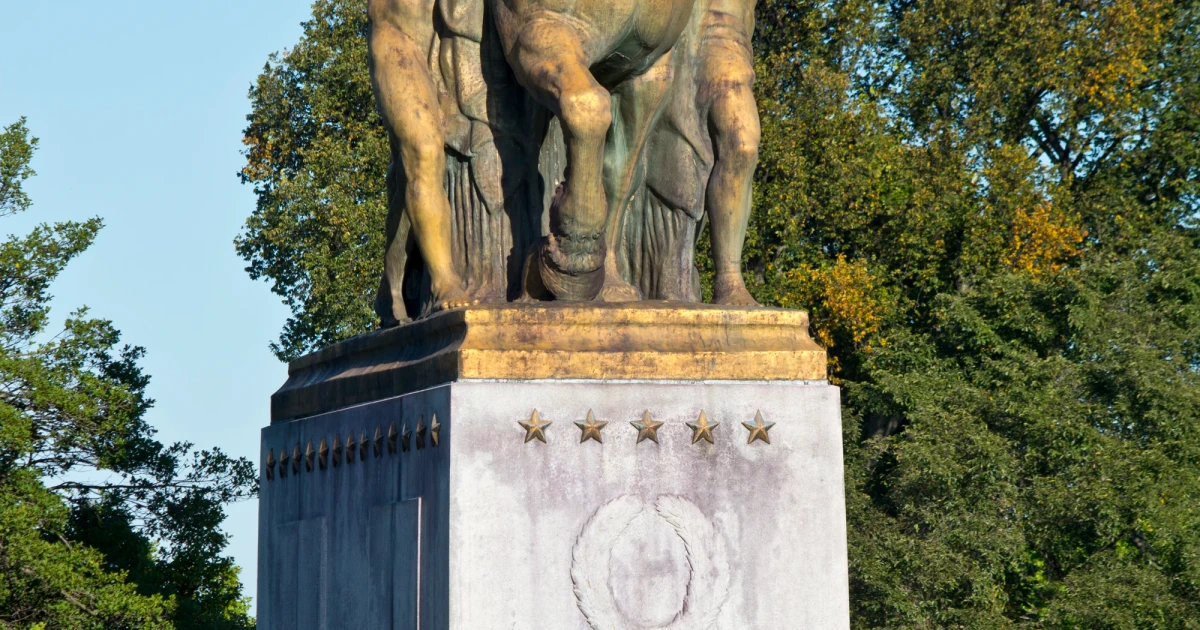
The National Park Service said a proposed 250-foot Triumphal Arch at Memorial Circle could change views across Washington and Arlington National Cemetery, putting one of the city’s most visible federal landscapes under strain. The agency opened an additional public comment period in June 2026 and set a June 15 deadline after issuing its Assessment of Effects Report.
The report focused on how the arch could alter the historic setting around Memorial Circle, Arlington Memorial Bridge and the Washington side of the river. Park Service analysis said the project could affect existing landmarks, including the Lincoln Memorial and Arlington National Cemetery, and could detract from dozens of historic places. That matters far beyond aesthetics: the federal view corridor around the Potomac has long been treated as part of the nation’s memorial fabric, not open space for a single monument to dominate.
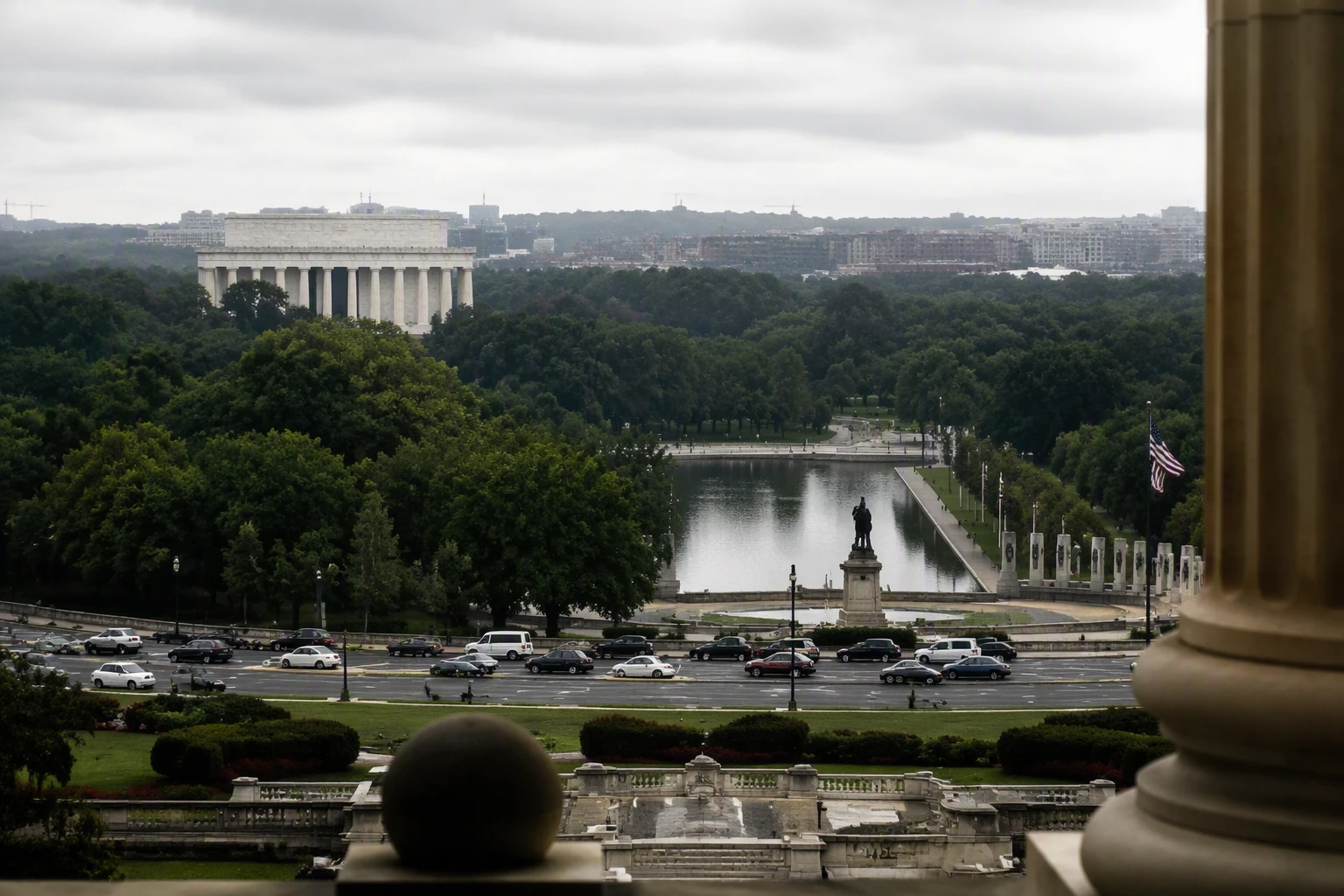
The proposal, described as a triumphal arch near Arlington Memorial Bridge and Memorial Circle directly across from the Lincoln Memorial, drew immediate backlash from veterans, preservation advocates and some members of Congress. Public comments submitted to the National Capital Planning Commission in May called it a “glorified, unnecessary” vanity project, a “terrible idea,” and a design that would “permanently scar the federal landscape” of Arlington and Washington.
Senator Jack Reed, a Rhode Island Democrat, West Point graduate and Army veteran, said on June 11 that the arch would “diminish American heroes and block views of Arlington National Cemetery.” He urged people to weigh in before the June 15 comment deadline, joining critics who argued that the monument would overpower the memorial landscape rather than add to it.
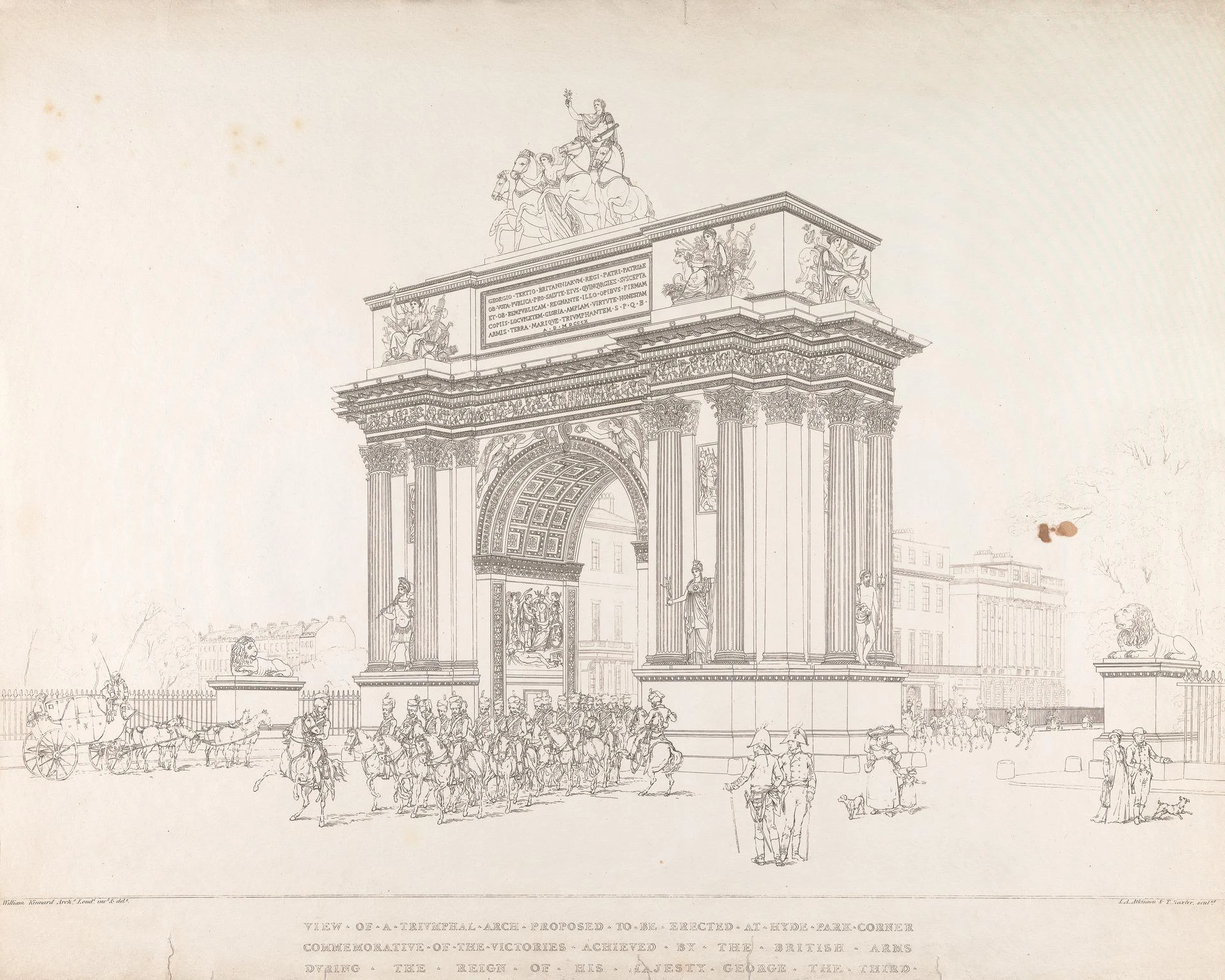
The construction plan has also raised alarms about scale and disruption. In June, reporting on the proposal said work could run 20 hours a day for two to three years, with the construction phase lasting up to 11 months and requiring several tower cranes. That timeline would place a major build in the middle of one of the most heavily visited and symbolically loaded stretches of federal land in the capital, where preservation reviews have historically constrained what presidents, donors and outside interests can alter.
Sources
- [1]nytimes.com
- [2]reed.senate.gov
- [3]nps.gov
- [4]parkplanning.nps.gov
- [5]wtop.com
- [6]cbsnews.com
- [7]ncpc.gov
- [8]dcnewsnow.com
- [9]npr.org
- [10]npca.org