Health
Protein Bars: Healthy Snack or Hidden Pitfall? Nutritionists Weigh In
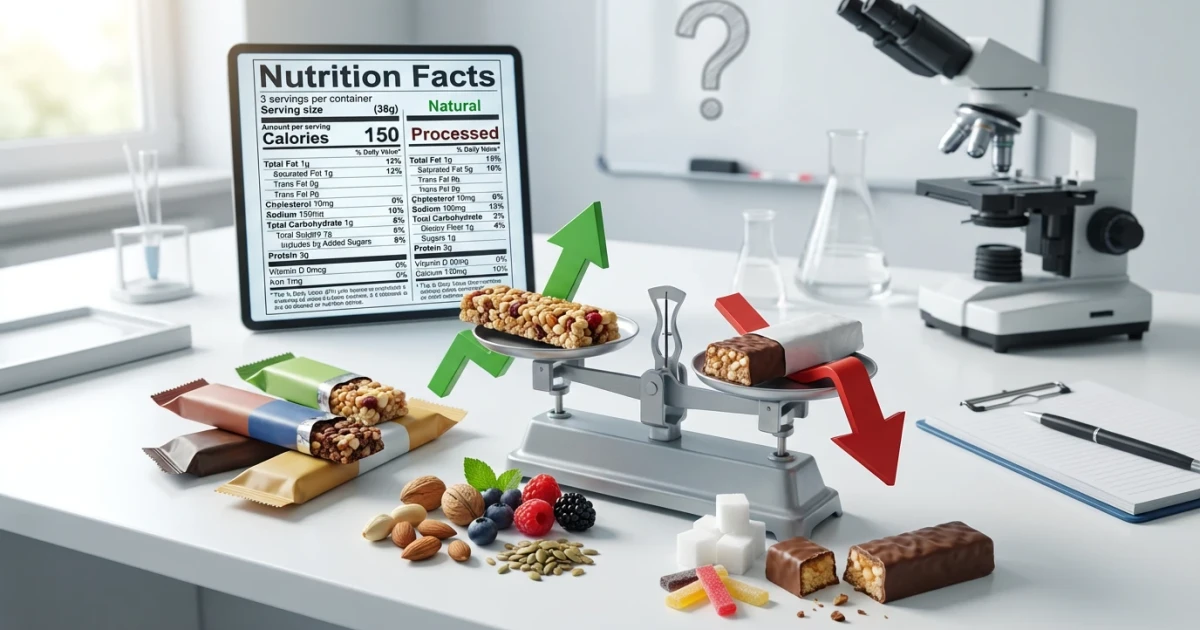
Protein bars have become a staple in gyms, offices, and backpacks, marketed as a convenient, healthy way to fuel up on the go. But are these snacks as beneficial as they claim? Nutritionists offer insights into the ingredients, health claims, and best practices for incorporating protein bars into a balanced diet.
What Are Protein Bars?
Protein bars are compact, often sweet snacks designed to provide a quick dose of protein, carbohydrates, and sometimes fiber, vitamins, and minerals. Popular among athletes and busy professionals, these bars are positioned as a way to support muscle recovery, curb hunger, and provide sustained energy.
Nutritionist Perspectives: Pros and Cons
According to nutrition experts, the healthiness of a protein bar depends largely on its ingredients and your individual dietary needs.
- High Protein Content: Many bars deliver between 10-20g of protein per serving, which can help with muscle repair and satiety. For people who struggle to meet their protein requirements through whole foods alone, these bars may offer a convenient solution.
- Sugar and Additives: However, not all protein bars are created equal. Some contain as much sugar as a typical candy bar, along with artificial sweeteners, preservatives, and highly processed ingredients. Nutritionists caution that consuming these bars in excess could undermine health goals.
- Calorie Density: Many protein bars are also calorie-dense, with some varieties exceeding 250-300 calories per bar. For individuals aiming to lose weight or manage their calorie intake, this could pose a challenge if not incorporated thoughtfully.
When Are Protein Bars a Good Choice?
Nutritionists agree that protein bars can be beneficial in certain contexts, such as:
- Post-Workout Recovery: After intense exercise, a bar with a good balance of protein and carbohydrates can aid muscle recovery.
- On-the-Go Nutrition: For those without access to whole foods, a protein bar can prevent unhealthy snacking or skipping meals entirely.
However, experts emphasize that protein bars should not replace whole meals on a regular basis. Whole foods like lean meats, dairy, legumes, nuts, and seeds provide not only protein but also essential micronutrients, fiber, and healthy fats that processed snacks may lack.
What to Look For in a Protein Bar
Choosing a healthier protein bar requires scrutinizing the nutrition label. Nutritionists recommend:
- Opting for bars with fewer than 10g of sugar per serving
- Prioritizing high-quality protein sources such as whey, soy, or pea protein
- Looking for at least 3-5g of fiber to promote fullness
- Avoiding bars with long lists of artificial additives or unfamiliar ingredients
The Bottom Line
Protein bars can be a convenient way to supplement protein intake, especially for those with busy lifestyles or increased protein needs. However, not all bars are created equal, and some may deliver more sugar, calories, and additives than expected. Nutritionists recommend using them as an occasional supplement rather than a staple, and always reading labels to make informed choices.
For more on healthy snacking and balanced nutrition, check with registered dietitians or visit reputable sources like the NHS Eat Well guide for additional guidance.
Sources
- [1]The Guardian