World
Protester shot dead in Kenya unrest over U.S. Ebola quarantine plan
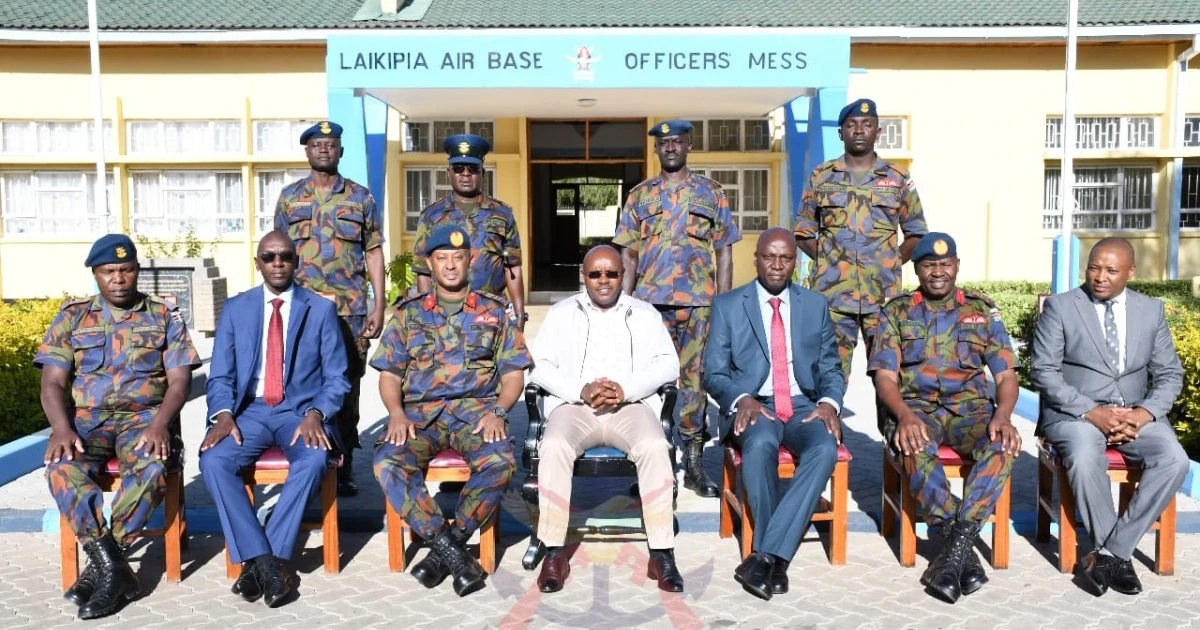
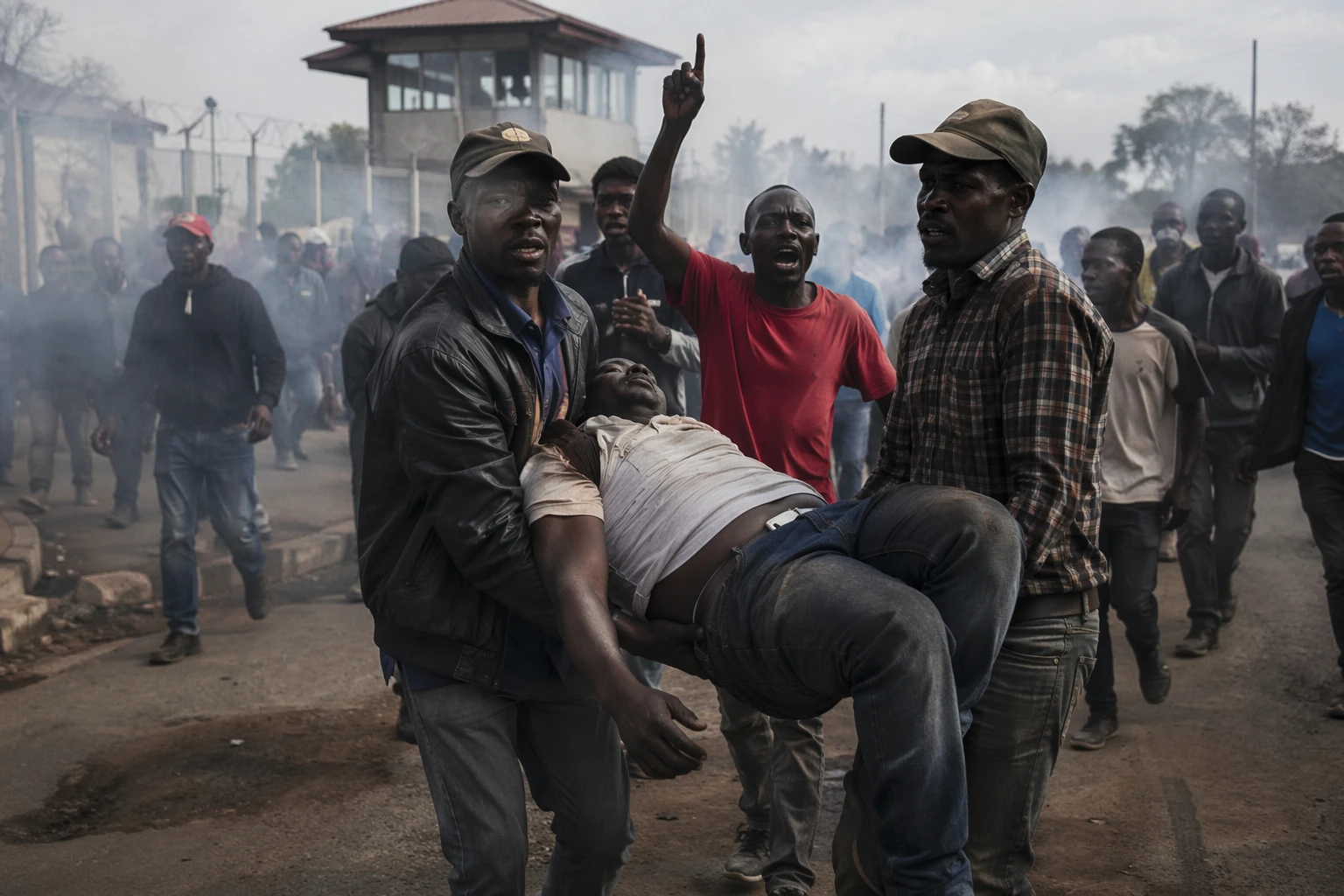
Police fired tear gas and water cannon into hundreds of protesters in Nanyuki on Tuesday as anger over a U.S.-backed Ebola quarantine plan boiled over, and witnesses said one demonstrator was shot dead during the unrest. The confrontation unfolded near Laikipia Air Base, where residents have rallied against a proposed 50-bed isolation unit for Americans exposed to Ebola, turning a public-health project into a flashpoint over who controls Kenya’s borders and whose risks the country is expected to absorb.
The violence came after Kenya’s High Court first suspended the plan on May 28 and then, on June 2, extended conservatory orders for another three weeks. The court barred the government from taking any steps to build or open the facility before the case is resolved and ordered officials to disclose the agreement with Washington, along with health and biosafety assessments, regulatory approvals and operational protocols, within seven days. The next hearing was set for June 23.
Despite those orders, U.S. military aircraft continued flying staff and equipment into Nanyuki, and about 20 flights had landed at the base by June 4, carrying medical equipment and specialist personnel. The aircraft included C-130 and C-17 transport planes and brought in physicians, engineers, lab experts and construction workers, but no patients. The sustained airlift intensified suspicions on the ground that the project was moving ahead before Kenyan courts had finished scrutinizing it.
The quarantine center was intended for U.S. citizens exposed to Ebola in the Democratic Republic of Congo or Uganda who were asymptomatic. Kenya has never recorded an Ebola case, a fact that helped fuel the backlash, as protesters and critics argued the country was being turned into a holding site for a disease it does not have. In the streets, demonstrators carried a coffin marked “Ebola,” waved Kenyan flags and warned that foreign-led health planning was being imposed without local consent.
President William Ruto defended the plan, saying, “We are a responsible government. We know what we are doing,” while Health Minister Aden Duale said the facility was part of a broader effort to strengthen emergency-response systems. The U.S. embassy in Nairobi said it was working with the Kenyan government to resolve objections. Rights groups said two people died in the June 1 unrest, though the circumstances remained unclear, underscoring how a dispute over quarantine planning has widened into a deeper struggle over transparency, sovereignty and trust in foreign public-health intervention.
Sources
- [1]usnews.com
- [2]nation.africa
- [3]aljazeera.com
- [4]france24.com
- [5]abcnews.com
- [6]capitalfm.co.ke