Business
Protests against U.S. data centers spread nationwide amid AI backlash
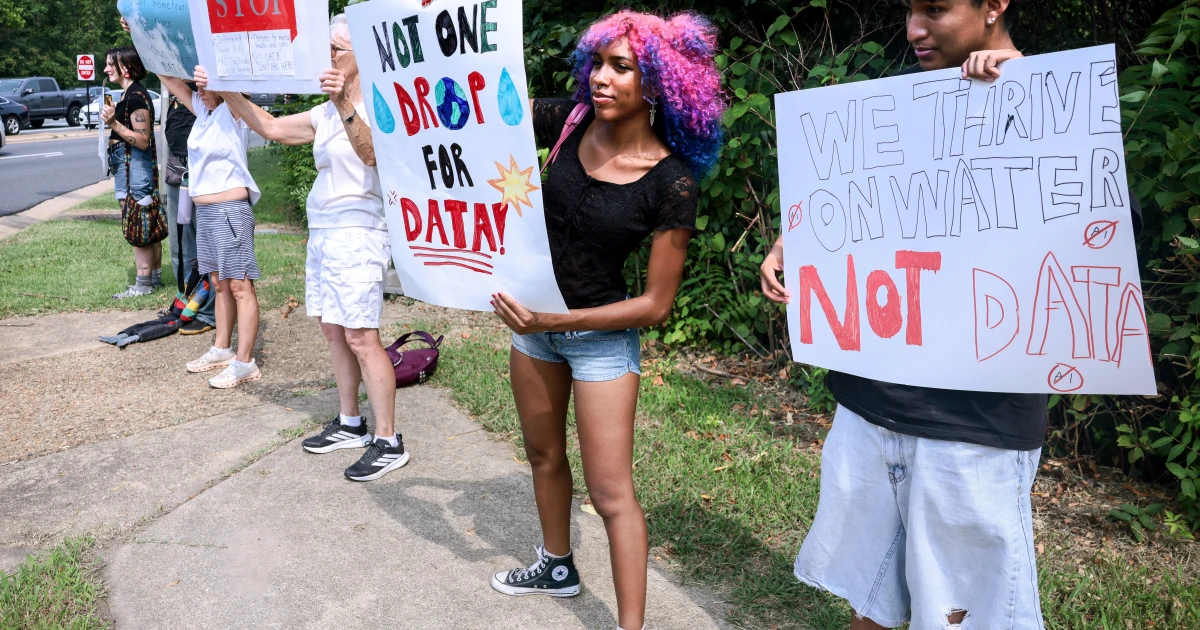
Opponents of the rapid buildout of data centers staged 142 protests across 42 states, turning neighborhood disputes over electricity, water use, land and noise into the first nationwide effort to channel anger at the AI infrastructure boom. Organizers had planned demonstrations in at least 125 locations, and the scale of the turnout showed how quickly local permitting fights have become a broader political problem for the companies racing to expand digital capacity.
The protests reflected a growing backlash against the physical footprint behind artificial intelligence, cloud computing, streaming and digital payments. Data centers sit at the center of that expansion, but they also strain power grids, require cooling water in some locations and can trigger fights over transmission lines, tax incentives and traffic. Residents in communities near proposed sites have increasingly argued that the costs are being pushed onto local customers and local landscapes while the benefits flow elsewhere.
That tension comes as power demand is rising sharply. The International Energy Agency said data centre electricity use surged in 2025 even as bottlenecks tightened and utilities scrambled for solutions. Gartner projected in November 2025 that data center electricity consumption would climb from 448 TWh in 2025 to 980 TWh in 2030, a surge that underscores how quickly the sector is reshaping energy planning.
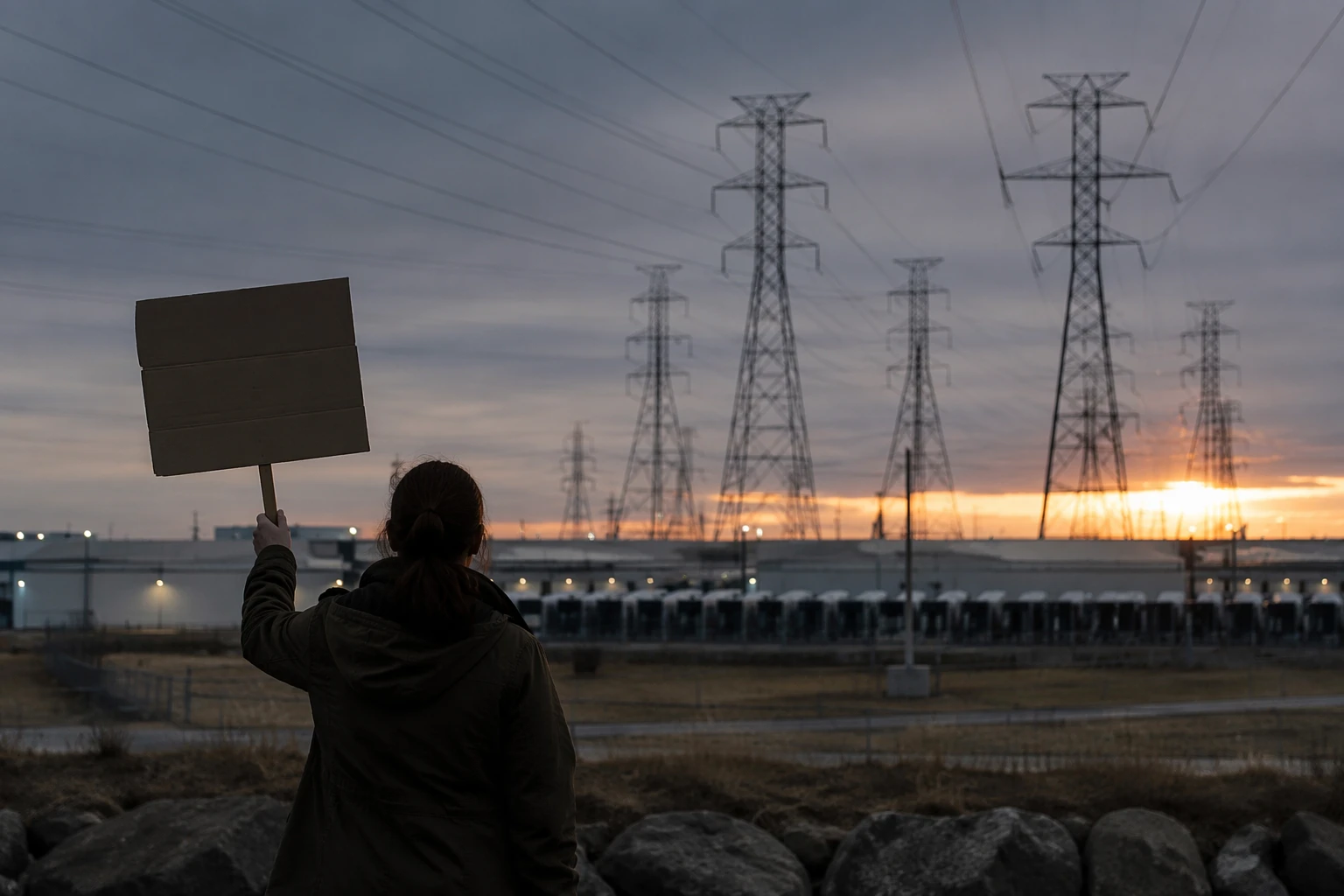
The policy debate is no longer confined to city halls. The White House planned to rally utilities and data centers over AI power costs, a sign that concerns about affordability and grid capacity have reached federal policymakers. In New York, the backlash has already produced a direct regulatory response: the state became the first in the country to impose a one-year moratorium on large new data centers.
For developers, the protests point to a harder path ahead. Projects that once moved quickly through local approvals are now facing organized resistance, and communities are pressing for more transparency about water use, emissions, tax breaks and the promised jobs. The dispute has moved beyond chips and chatbots to the concrete question of who pays for the infrastructure that makes the AI economy possible.
Sources
- [1]reuters.com
- [2]aol.com
- [3]straitstimes.com
- [4]iea.org
- [5]gartner.com