Health
Psychiatry's Diagnostic Bible Is Getting a Major Update: What It Means for Mental Health Care
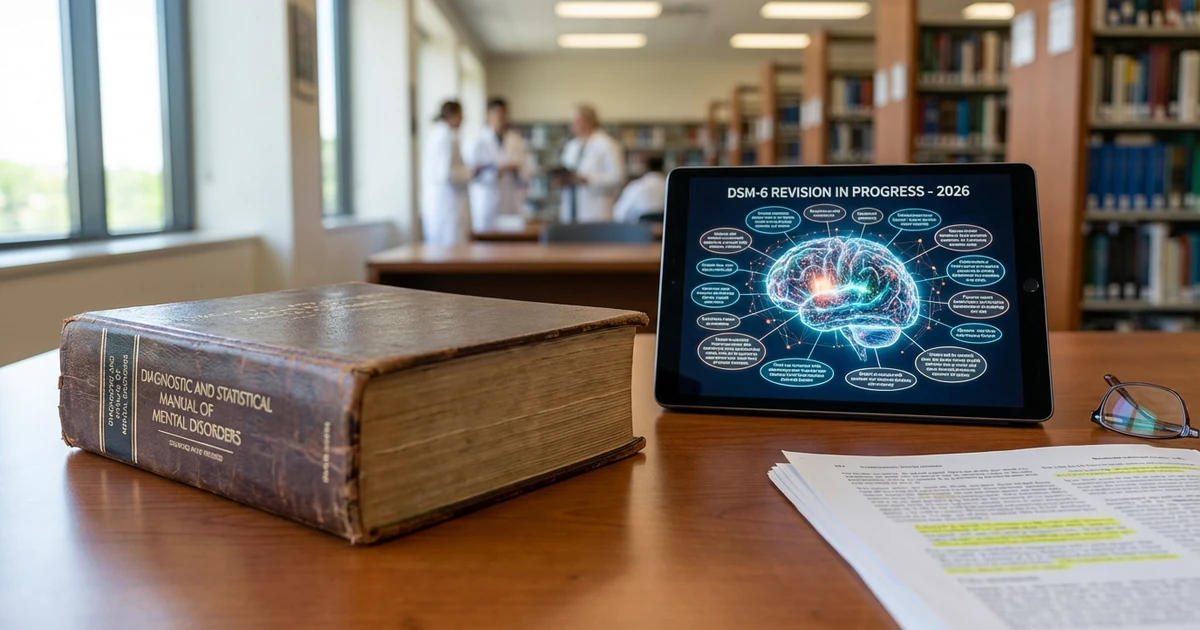
The diagnostic manual at the heart of mental health care is poised for a significant transformation, potentially reshaping the field of psychiatry and the lives of millions of patients worldwide.
The DSM: Psychiatry's Cornerstone
For decades, the Diagnostic and Statistical Manual of Mental Disorders (DSM) has served as the authoritative guide for diagnosing mental health conditions. Maintained by the American Psychiatric Association, the DSM determines not only how clinicians categorize and treat psychiatric disorders, but also what treatments insurance will cover and how research is conducted. Its influence extends from clinical offices to the legal system and beyond.
Why a Makeover Is Needed
As mental health understanding evolves, so too must the tools used to diagnose and treat patients. The DSM has been periodically revised to reflect new research, changing definitions, and societal shifts in how mental health is perceived. However, critics have long called for updates that better address the nuances of mental illness, reduce stigma, and improve diagnostic accuracy. The forthcoming makeover represents a response to these calls, aiming to modernize the manual in light of the latest scientific advances and societal needs.
What Could Change?
While specifics of the new edition are still being finalized, experts anticipate several key areas of focus:
- Broader Diagnostic Criteria: Efforts to capture the diverse ways mental health conditions manifest, especially across different ages, genders, and cultures.
- Inclusion of Emerging Disorders: Consideration of newly recognized conditions or those that have gained prominence in recent years, such as digital addiction or long-term effects of trauma.
- Dimensional Models: Movement away from strict categories toward a spectrum-based approach, reflecting the continuum of mental health symptoms.
- Updated Terminology: Changes in language to reduce stigma and improve clarity for both patients and practitioners.
Implications for Patients and Providers
The DSM's revision could have far-reaching impacts:
- Clinical Practice: Psychiatrists and therapists will need to adapt to new diagnostic frameworks, which may require additional training and changes in how they approach patient care.
- Insurance Coverage: As diagnoses shift, so too may the treatments insurers are willing to reimburse, potentially affecting patient access to care.
- Research: Updated definitions will guide future studies, shaping the direction of mental health research for years to come.
- Public Understanding: A more accurate and modernized DSM could help reduce stigma and foster better understanding of mental health conditions in society.
Looking Ahead
The upcoming DSM makeover underscores the dynamic nature of psychiatric science. As the field continues to grapple with the complexities of the human mind, such revisions are both necessary and inevitable. While changes may bring challenges in implementation, they also promise opportunities for more precise diagnoses, better care, and improved outcomes for those living with mental illness.
As the psychiatric community prepares for these sweeping changes, patients, providers, and policymakers alike will be watching closely to see how the new DSM shapes the future of mental health care.
Sources
- [1]NPR