Politics
Public Trust in Government Nears Historic Lows
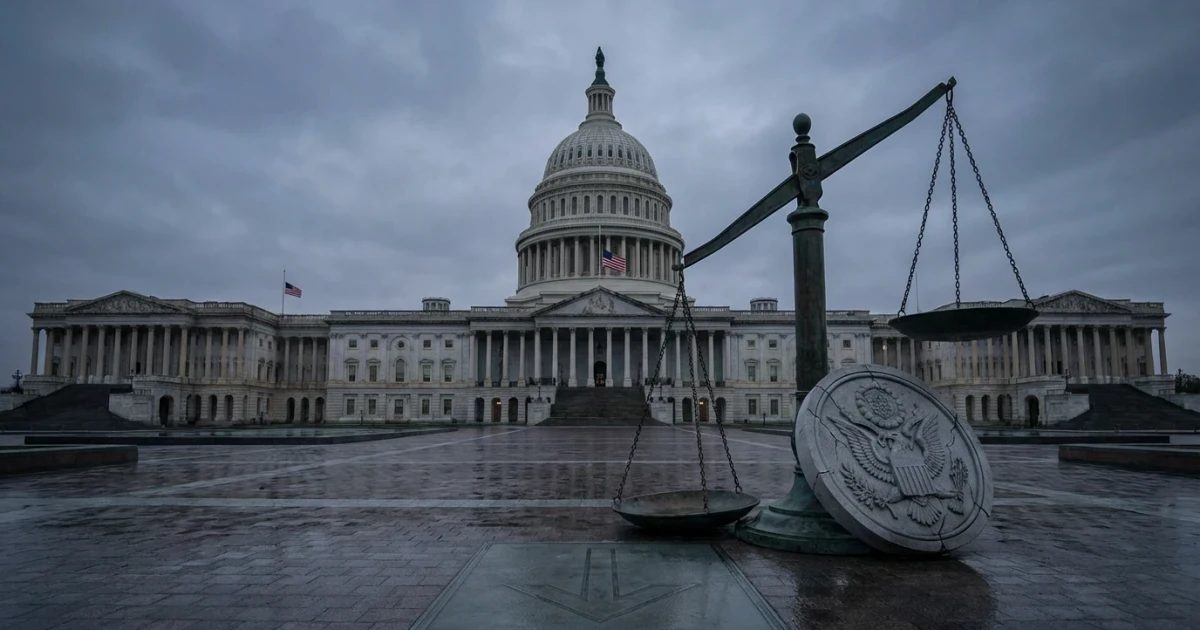
New data from Pew Research Center reveal that public trust in the U.S. federal government remains at near-historic lows as 2025 approaches, continuing a decades-long trend of skepticism and disillusionment among Americans. The report, titled Public Trust in Government: 1958-2025, offers a comprehensive overview of trust levels spanning more than six decades, highlighting the complex forces shaping Americans’ attitudes toward their government.
Long-Term Decline in Trust
Pew Research Center’s analysis shows a dramatic shift in public sentiment since the late 1950s. In 1958, about three-quarters of Americans said they trusted the government to do what is right "just about always" or "most of the time." In contrast, by 2025, that number had plummeted to just around 20%, reflecting a sustained decline over generations. The Pew report notes that trust fell sharply in the late 1960s and 1970s, a period marked by the Vietnam War, the Watergate scandal, and economic turmoil. While trust rebounded briefly in the 1980s and again after the September 11 attacks in 2001, it has generally trended downward since.
- In 1964, 77% of Americans expressed trust in the federal government
- By the mid-1970s, trust had dropped to 36%
- In 2023, only 16% said they trusted the federal government most of the time
What Drives Public Trust?
Pew Research Center identifies several key factors influencing changes in trust over time. Major events such as wars, economic crises, and high-profile political scandals have traditionally sparked sharp declines. For instance, trust fell rapidly during the Watergate era and again following the financial crisis of 2008. Conversely, moments of national unity, such as in the aftermath of 9/11, have produced temporary rebounds.
Partisanship also plays a significant role. The Pew report finds that members of the party controlling the White House tend to express more confidence in the federal government, while trust among those in the opposing party typically falls. This partisan gap has grown more pronounced in recent decades, reflecting broader trends toward political polarization.
How the U.S. Compares Internationally
While Americans’ trust in their government is currently low, Pew notes that similar patterns are evident in other advanced democracies, though the timing and magnitude of declines can vary. For example, the General Social Survey (GSS) and comparative research from NORC show that confidence in institutions has slipped in many countries, but the U.S. decline has been particularly steep and sustained.
Demographic Trends in Trust
The Pew Center’s findings highlight important demographic differences in attitudes toward government. Younger Americans, for example, tend to express less trust than older generations, and there are notable divides by race, ethnicity, and income. The U.S. Census Bureau has documented similar disparities, with lower levels of trust often found among minority and economically disadvantaged groups.
Why Trust Matters
Scholars and analysts have long argued that public trust is critical for the effective functioning of democratic institutions. According to research published in The Dynamics of Public Trust in Government, low trust can undermine policy compliance, voter turnout, and the ability of leaders to respond to crises. The Pew report echoes these concerns, noting that declining trust makes it harder for government to address complex challenges and erodes the social contract between citizens and those who govern.
Looking Ahead: Can Trust Be Restored?
Experts suggest that while restoring trust is difficult, it is not impossible. Research in long-term trends in public trust points to the potential for renewal during times of effective leadership and national unity. Pew’s analysis underscores the importance of transparency, accountability, and responsiveness in government as key factors in rebuilding public confidence.
As the United States approaches another election cycle, the report suggests that the challenge of restoring public trust will remain at the forefront of the national conversation. For those seeking deeper insight, Pew’s comprehensive data provides a valuable window into the evolving relationship between the public and its government.