Entertainment
Pulitzer-winning cartoonist Pat Oliphant dies at 90
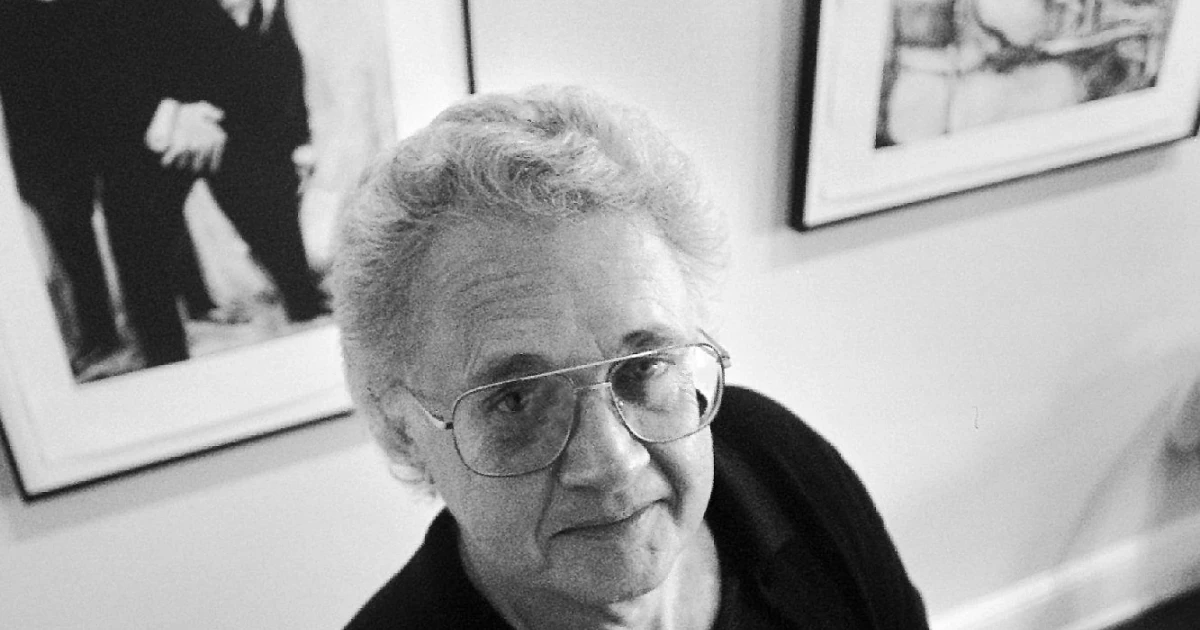
Pat Oliphant, the Pulitzer Prize-winning cartoonist whose sharp pen cut across 13 presidential administrations, died Monday at 90. Born Patrick Bruce Oliphant on July 24, 1935, in Australia, he built one of the most influential careers in American newspaper art, turning editorial cartoons into a national form of political argument.
Oliphant began at The Denver Post in 1964, and by April 1965 his work was already syndicated internationally. He won the Pulitzer Prize for Editorial Cartooning in 1967, then went on to win the National Cartoonists Society’s Reuben Award in 1968 and 1972, along with the Thomas Nast Prize in 1992. His targets ranged from Lyndon Johnson through Donald Trump, and his drawings became part of the everyday visual language of Watergate-era politics, the Cold War, the Reagan years and the long media churn that followed.
He moved to The Washington Star in 1975. When the paper shut down in 1981, Oliphant made a break that pointed to both his independence and the changing economics of the business: he became the first political cartoonist in the 20th century to work without a home newspaper. His cartoons were sold directly through Universal Press Syndicate and were appearing in more than 500 newspapers by 1983, a reach that made him one of the most widely seen satirists in the country.
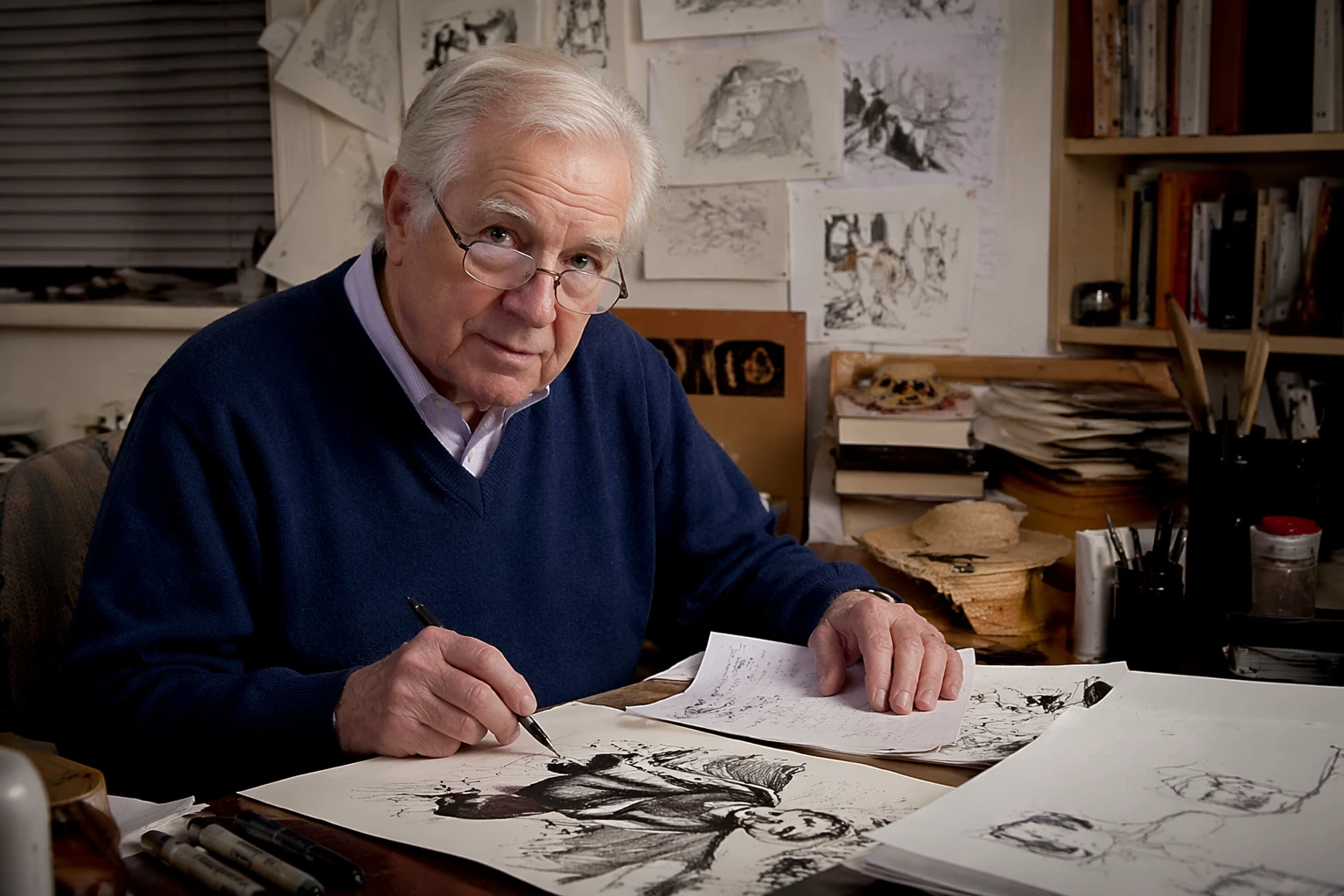
That reach now belongs to another era. Oliphant’s work traveled through a mass-circulation newspaper system that gave political cartoons a shared civic space, from newsroom front pages to breakfast tables in cities and small towns across the country. Today, political commentary is more fractured, pulled apart by social platforms, niche audiences and algorithm-driven feeds that reward speed, outrage and repetition more than the patient compression of a single frame.
Oliphant retired in 2015 because of vision loss, ending a career that stretched more than 60 years. In 2018, he and Susan Oliphant donated almost 7,000 items to the University of Virginia Library, including drawings, watercolors, prints, sculptures, sketchbooks, correspondence, photographs, papers, scrapbooks and audio-video materials. The archive and an accompanying exhibition at the Albert and Shirley Small Special Collections Library preserve the scale of a body of work that shaped public debate across administrations and left behind a record of American power as seen through one of its most exacting critics.