World
Putin likely to escalate Ukraine war despite peace push, sources say
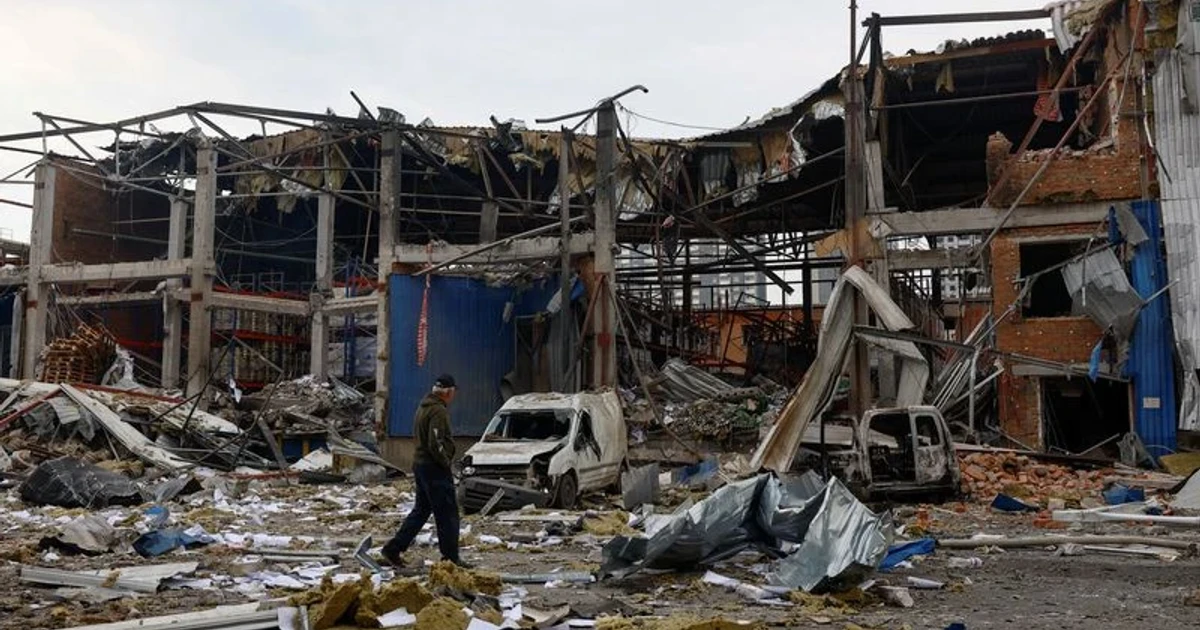
Vladimir Putin was preparing to escalate the war in Ukraine rather than negotiate a peace deal, after Ukrainian drone strikes hit Russian oil refineries and ports and exposed vulnerabilities deep inside Russia. Three sources close to the Kremlin said the attacks hardened Putin’s position, and two of them said they saw a high probability of escalation in the coming months.
The sources said Putin was not being moved by calls to soften his stance. Instead, the damage to energy infrastructure appeared to reinforce the Kremlin’s view that Russia still had room to press its military advantage while it could shape the battlefield. That calculus pointed away from compromise and toward a more aggressive phase of the conflict as the war entered its fifth year.
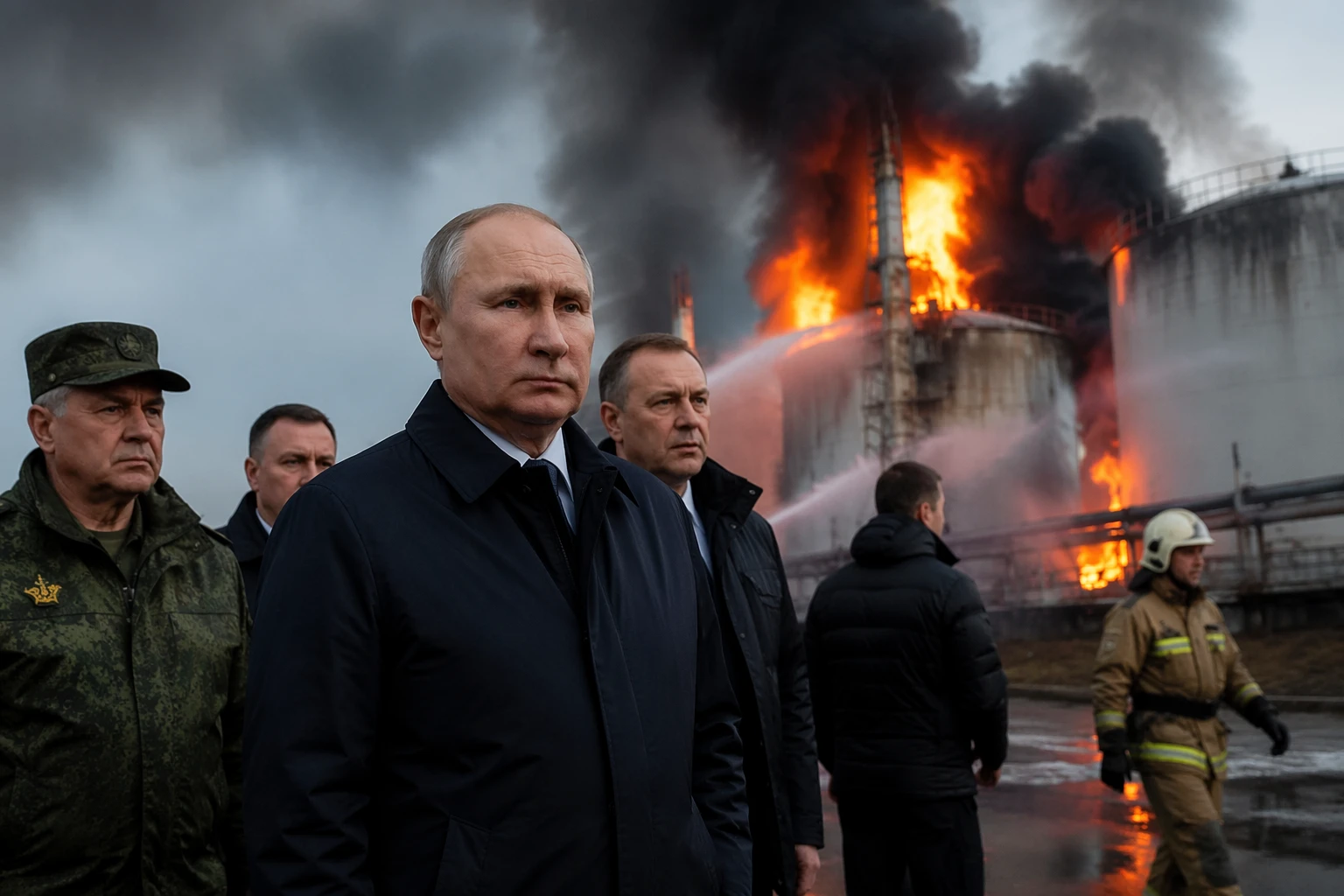
The focus on refineries and ports matters because Russia’s oil sector sits at the center of state revenue, military logistics and domestic political stability. Repeated strikes on that network have given Ukraine a way to reach targets that carry both economic and military weight, and the latest wave appears to have stiffened rather than weakened the Kremlin’s resolve. The sources did not describe any formal new military directive, but they said the internal mood in Moscow left little room for a quick settlement.
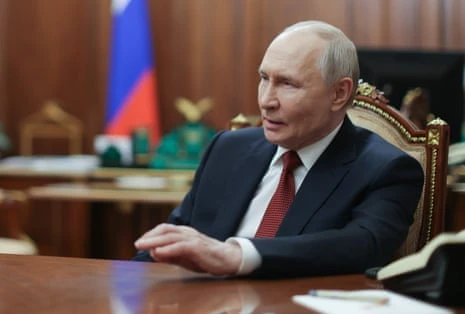
The timing also cut against Washington’s diplomacy push. As the Trump administration pressed for negotiations, the Kremlin signals pointed in the opposite direction, raising the risk that public talk of peace could mask a continued bet on force. For U.S. policymakers, that meant any ceasefire framework would have to account for the possibility that Moscow was using diplomacy to buy time rather than to end the war.
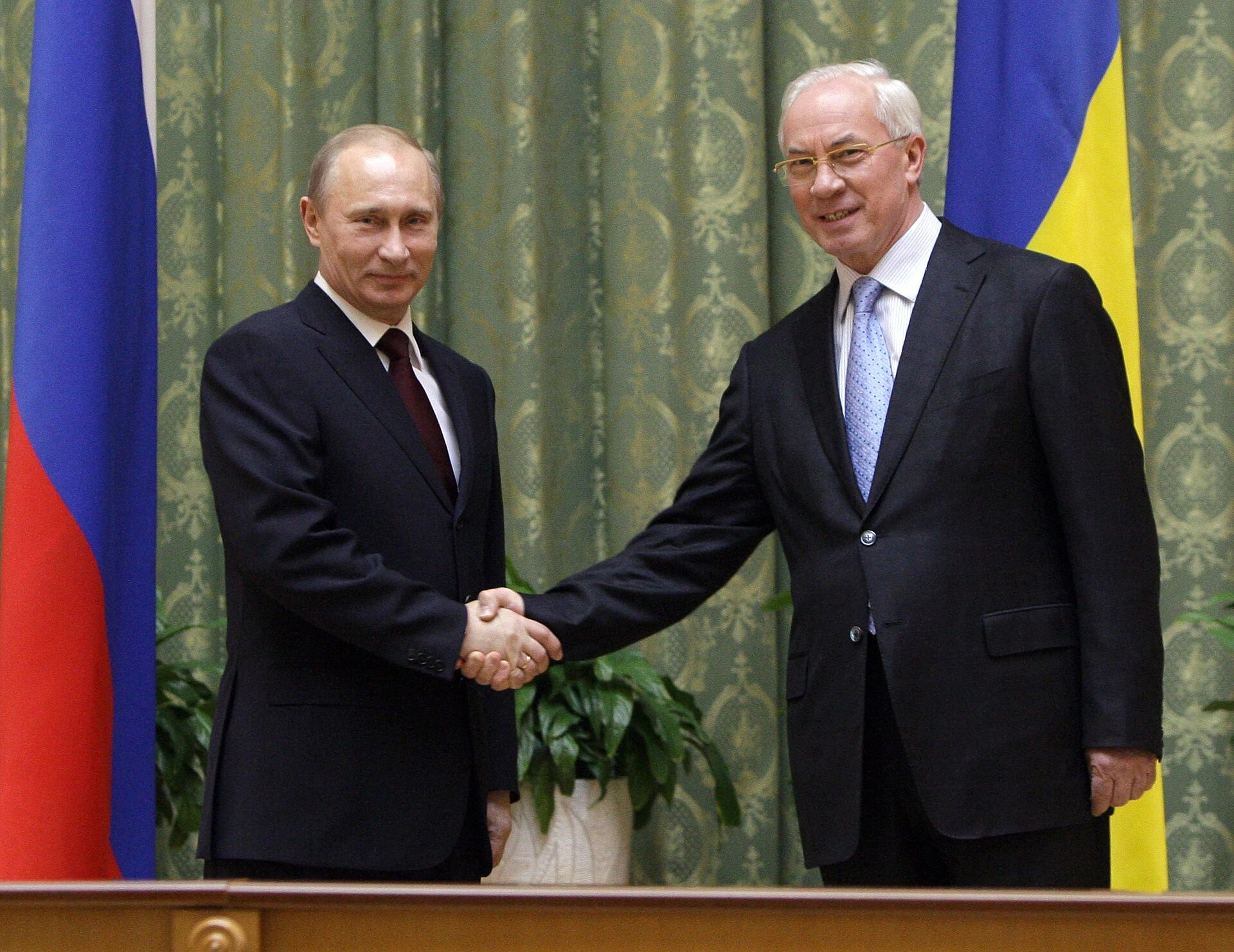
The implications reached beyond Washington. NATO allies faced a more uncertain near-term outlook for Ukraine, with no clear sign that Moscow was preparing to trade battlefield pressure for talks. If the Kremlin follows through on escalation, the next phase of the war is likely to stay tied to strikes on infrastructure, continued disruption in the energy system and a battlefield campaign aimed at preserving Russian leverage rather than reducing it.
Sources
- [1]aol.com