World
Putin’s Beijing Visit Highlights Closer China-Russia Alignment
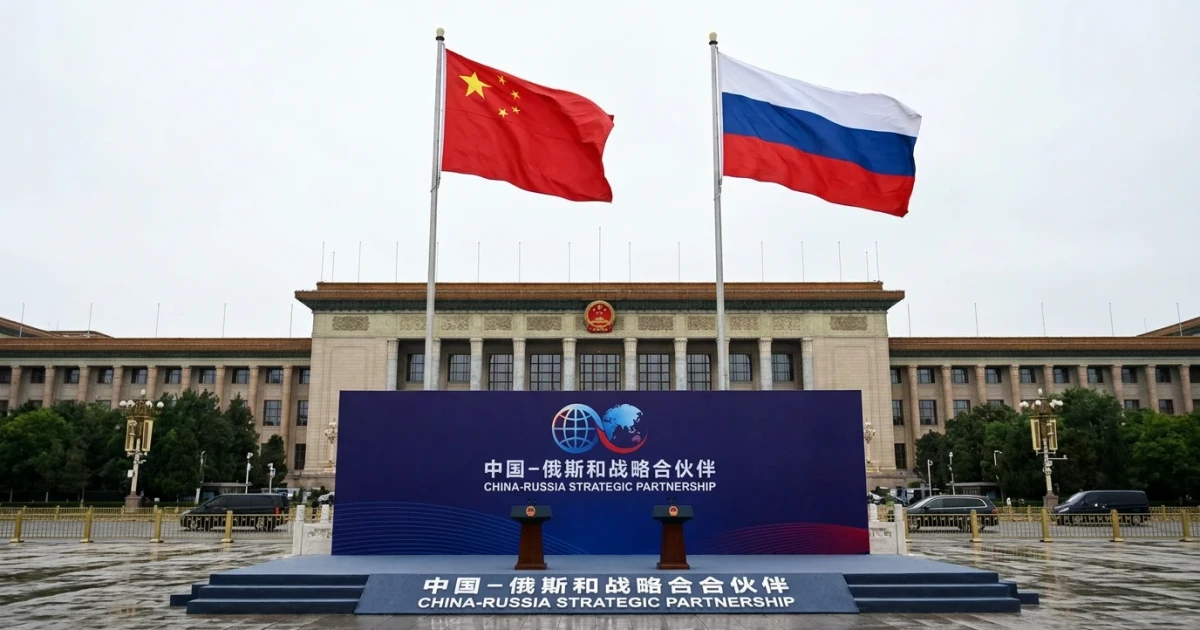
Russian President Vladimir Putin’s recent visit to Beijing placed the spotlight on the evolving relationship between Russia and China, showcasing both a symbolic and strategic partnership that is increasingly relevant in today's geopolitical climate. The red-carpet welcome by Chinese President Xi Jinping and the messaging throughout the visit revealed key insights into the direction and substance of China-Russia relations.
Diplomatic Symbolism and Strategic Messaging
The welcoming ceremony for Putin in Beijing was marked by high-profile pageantry, reflecting the importance both nations place on their partnership. According to CNBC, President Xi Jinping’s hospitality went beyond mere protocol, emphasizing the close personal and governmental ties between the two leaders. The red-carpet treatment was widely interpreted as a deliberate signal to the international community, particularly the United States and Western allies, that the Beijing-Moscow axis remains robust despite growing global tensions.
During public remarks, President Xi made what CNBC described as a veiled jab at the US, alluding to the importance of respecting sovereignty and opposing unilateral sanctions—a stance that resonates with Moscow as it faces sustained Western pressure over the war in Ukraine. This coordinated messaging underscores how both nations are leveraging their partnership to push back against what they perceive as Western dominance in global affairs.
Economic and Technological Cooperation Expands
Beyond symbolism, the visit highlighted the expansion of economic and technological cooperation. Both countries reiterated commitments to deepen trade ties, energy collaboration, and joint technology initiatives. CNBC noted that trade between China and Russia has surged in recent years, with bilateral trade reaching record highs even as Russia’s access to Western markets and technology has been curtailed.
- China has become Russia’s largest trading partner, and the two nations are increasingly conducting business in their respective currencies to reduce dependence on the US dollar.
- Major deals in energy, infrastructure, and high-tech sectors were reportedly discussed, reflecting an ongoing shift toward more comprehensive economic integration.
For readers interested in detailed statistics on trade flows, the UN Comtrade Database provides interactive data on China-Russia bilateral trade, including commodity breakdowns and trends over time.
Geopolitical Implications and a United Front
Putin’s visit to Beijing also served to reinforce a common front on major international issues. As CNBC highlighted, both leaders repeatedly emphasized the need for a multipolar world order and voiced opposition to the use of sanctions and external interference in other countries’ affairs. This rhetoric aligns with both countries’ broader diplomatic objectives: counterbalancing US influence and building alternative institutions and alliances.
The growing strategic alignment is also reflected in joint statements and agreements. The official joint statement issued during the visit outlined areas of coordination, including security cooperation, regional stability, and expanded roles in international organizations. This document provides further detail on agreed priorities and ongoing projects.
What the Visit Reveals About the Future of China-Russia Ties
In summary, Putin’s Beijing trip demonstrated that the partnership between China and Russia is both substantive and mutually reinforcing. The combination of symbolic gestures, economic agreements, and unified political messaging signals a relationship that is likely to remain a key factor in global geopolitics for the foreseeable future.
As both countries continue to navigate a world marked by competition and shifting alliances, their alignment—publicly reaffirmed in Beijing—underscores the importance of closely monitoring developments in the China-Russia strategic partnership.