World
Putin's China Visit Highlights Complex Russia-China Ties
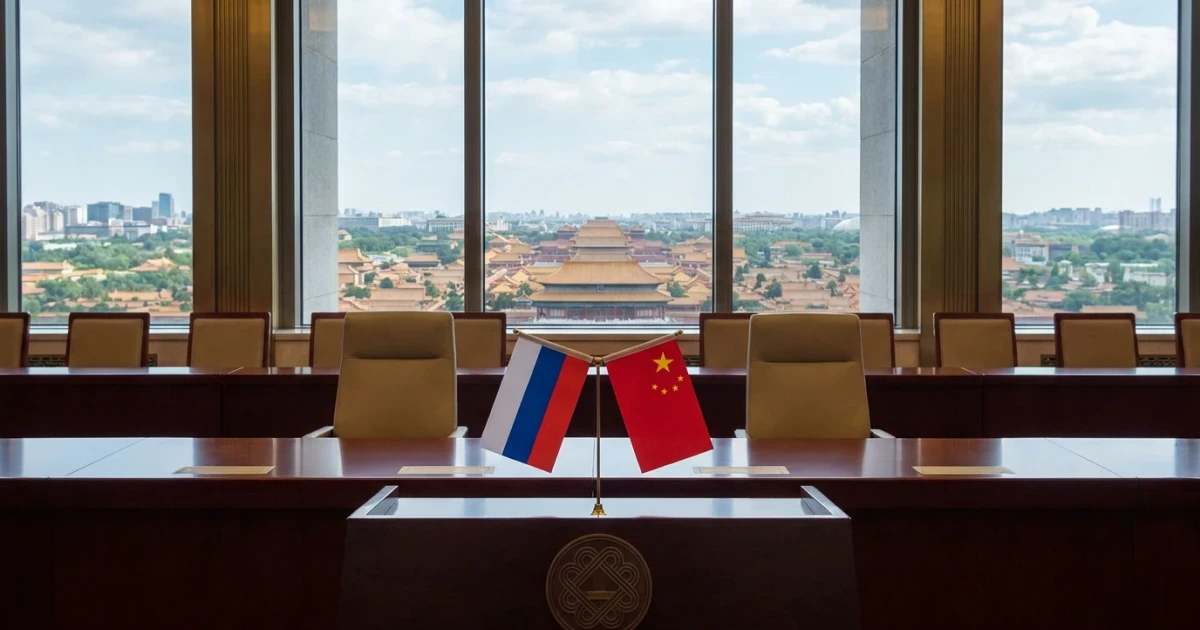
Russian President Vladimir Putin’s visit to China this week signals a deepening alignment between Moscow and Beijing, even as underlying mistrust and diverging interests complicate their partnership. The summit comes at a pivotal moment in global geopolitics, with both nations positioning themselves as counterweights to U.S. influence while navigating their own strategic challenges.
Growing Cooperation in the Face of Western Pressure
Putin’s trip underscores the increasing importance of the Russia-China relationship since the onset of the Ukraine war. Isolated by Western sanctions, Russia has turned to China for economic lifelines, boosting energy exports and seeking new markets. According to UN trade data, bilateral trade between the two nations has surged, with Russian oil and gas sales to China reaching record highs over the past year. This economic interdependence has given Beijing greater leverage in negotiations, further complicating the power dynamic.
- Russia’s exports to China have expanded rapidly, particularly in energy and raw materials.
- China has maintained a careful balance, supporting Russia diplomatically while avoiding direct military backing that could trigger secondary sanctions.
- Both governments emphasize their "Comprehensive Strategic Partnership", highlighting joint military exercises, technology cooperation, and pledges of mutual support.
Distrust Lingers Beneath Public Unity
Despite the outward show of solidarity, deep-seated mistrust remains between Moscow and Beijing. The Washington Post reports that Chinese officials continue to view Russia as an unpredictable partner, wary of Moscow’s motives and the potential for entanglement in Russia’s confrontations with the West. For its part, the Kremlin is uneasy about Russia’s growing dependence on China’s economy and technological support, fearing a loss of strategic autonomy.
Analysts note that while the two countries share a common interest in countering U.S. influence, their long-term goals often diverge. China’s ambitions center on regional economic dominance and technological leadership, while Russia seeks to reassert itself as a great power through military and political means. This divergence can be seen in areas such as Central Asia, where competition for influence persists, and in global forums where their votes and strategies do not always align.
Geopolitical Calculations Amid Global Tensions
Putin’s visit comes against the backdrop of renewed tensions in the Middle East and heightened uncertainty following recent U.S. policy shifts. As The Washington Post highlights, Moscow and Beijing are seeking to capitalize on perceived American disengagement, presenting themselves as alternative power centers. At the same time, both governments remain cautious about being drawn into each other’s conflicts, preferring cooperation that advances their own interests without binding commitments.
Recent joint statements have reaffirmed support for a multipolar world order and opposition to Western-led sanctions regimes. However, the substance of military and technological cooperation remains limited compared to rhetorical declarations. Experts argue that the relationship, while closer than at any time since the Cold War, is best characterized as a pragmatic alignment rather than a true alliance.
Looking Ahead: Strategic Partnership With Limits
As Putin and Chinese President Xi Jinping conclude their summit, the world is left to parse the meaning of their growing partnership. While Russia and China are clearly more aligned than ever against Western influence, their relationship is shaped as much by mutual suspicion as by shared interests. How this dynamic evolves will depend on external pressures and each country’s domestic priorities, making the Russia-China axis one of the most closely watched—and complex—relationships in global affairs.
For readers seeking deeper insights, official joint statements can be found on the Chinese Ministry of Foreign Affairs website, and trade data is available from the UN Comtrade Database. The Council on Foreign Relations provides further background on the China-Russia relationship and its strategic implications.