World
Putin’s spies exploit Japan’s weak anti-espionage laws
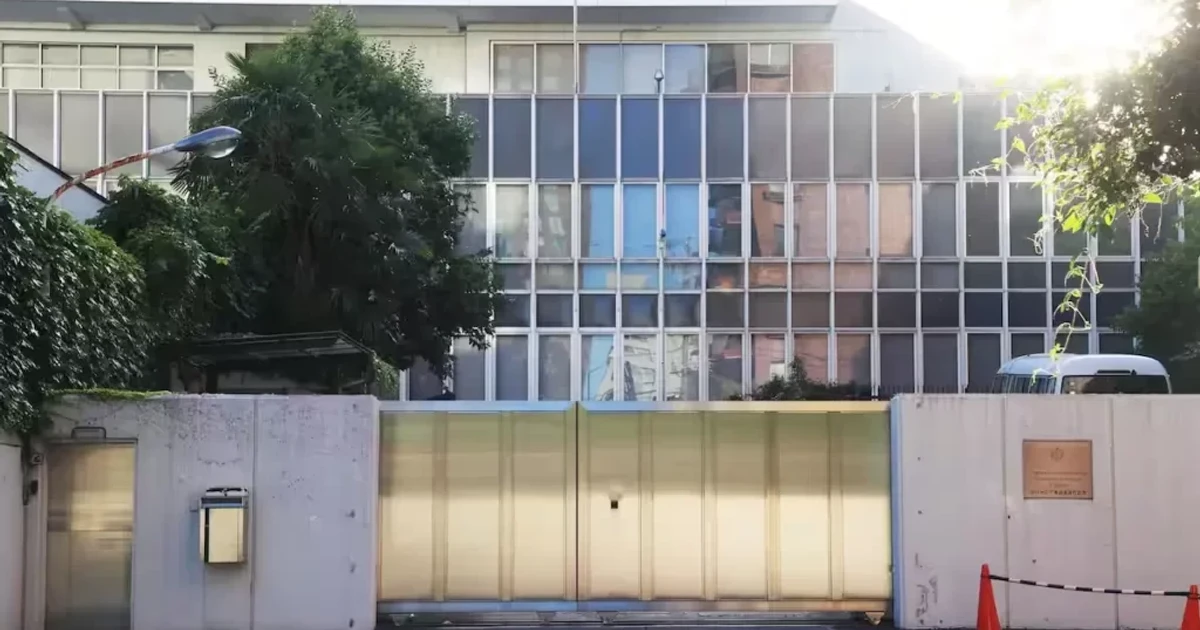
A Russian military intelligence unit has been operating out of a Tokyo high-rise in Chiyoda, turning Japan’s capital into a base for collecting the high-tech equipment Moscow needs for the war in Ukraine. Japanese investigators have also referred a former Russian trade staffer and a Japanese company employee to prosecutors in a separate 2026 case involving alleged leaks of confidential technical information from a machine-tool company.
The case has sharpened scrutiny of Japan’s counter-espionage gap. Analysts and commentators have long described the country as lacking a robust anti-espionage law, a weakness that leaves police and prosecutors relying on narrower statutes while foreign services probe Japan’s industrial sector. Japan’s Public Security Intelligence Agency says it collects and analyzes domestic and international trends affecting public security and economic security, including activity involving Russia, but it operates within a legal framework built around the Subversive Activities Prevention Act and the Act on the Control of Organizations.
Japanese authorities have stepped up discussion of new intelligence machinery. Recent policy reports describe movement toward a National Intelligence Council and a National Intelligence Bureau, alongside renewed debate over an anti-spy law that could give investigators more direct tools against covert collection efforts. The pressure is rooted in the country’s role as a high-end manufacturing hub, where machine tools, sensors and other sensitive technologies can have military as well as commercial value.
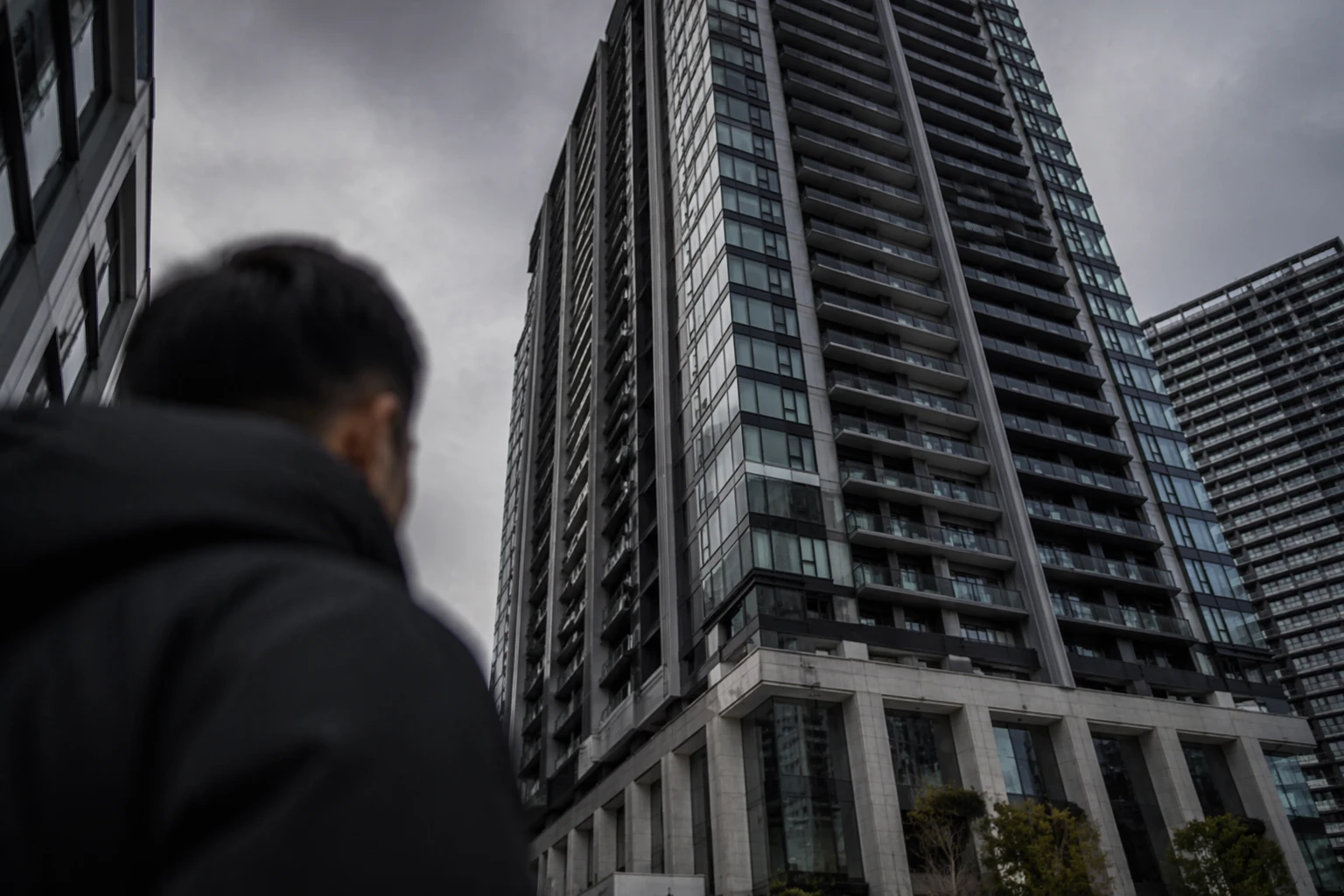
The January 2026 case showed how that vulnerability can work in practice. Police in Tokyo said the suspect concealed his affiliation, posed as a Ukrainian national and allegedly received about ¥700,000 while obtaining confidential information tied to the Japanese machine-tool industry. A separate Asahi Shimbun account said Tokyo police referred a former employee of a machine tool manufacturer to prosecutors on suspicion of illegally leaking trade secrets to a Russian government official. Together, the cases show how Russian operatives have been blending diplomatic, trade and false-identity cover to reach Japanese firms.
Japan’s tensions with Moscow have deepened since Russia’s invasion of Ukraine. Tokyo expelled eight Russian diplomats and trade officials in April 2022, and in September 2022 it protested Russia’s detention of a Japanese consular official on espionage allegations while denying the accusation. For the United States and Japan, the espionage problem now sits alongside alliance planning in the Indo-Pacific: Japan’s industrial base is part of the same strategic network that supports deterrence in Asia, and Russian intelligence activity there links the Ukraine war to the region’s broader security competition.
Sources
- [1]news.google.com
- [2]nytimes.com
- [3]japannews.yomiuri.co.jp
- [4]asahi.com
- [5]moj.go.jp
- [6]independent.co.uk
- [7]abc.net.au