Business
Qantas bets on science to ease 20-hour Sydney-London flights
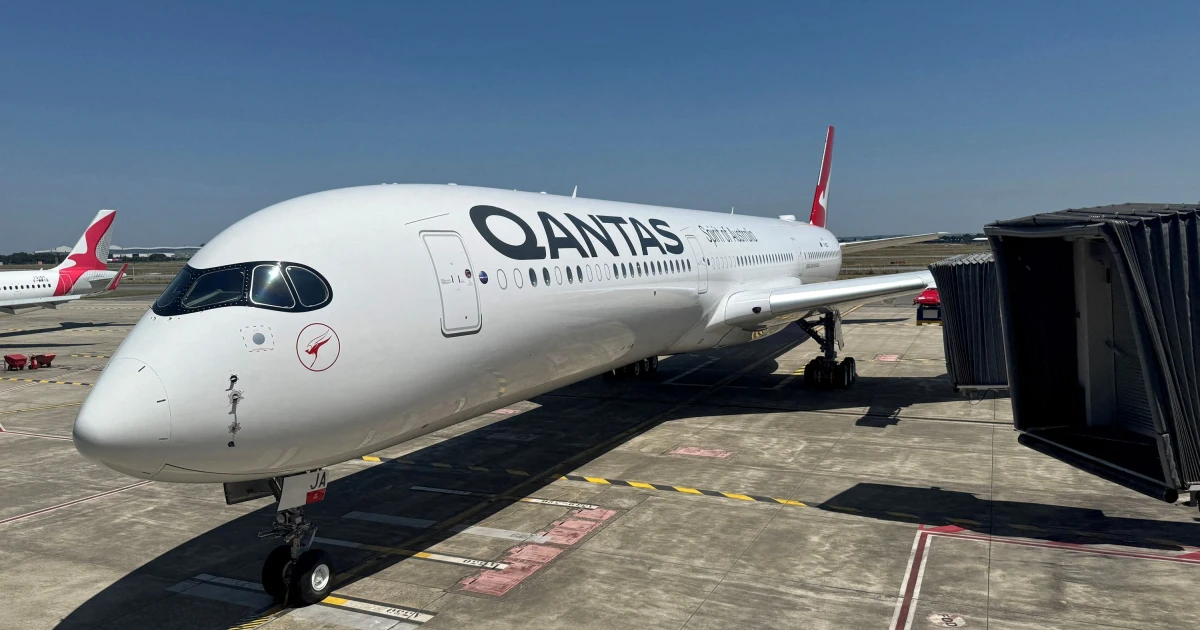
Qantas is betting that sleep science can make a 20-hour Sydney-London flight feel less like endurance travel and more like a premium product. The airline says its daily non-stop service will begin in October 2027 on Airbus A350-1000ULR jets configured with 238 seats, an extra 20,000-litre fuel tank and a cabin built to reduce jet lag across trips of more than 16,000 kilometres and up to 22 hours in the air. The commercial logic is obvious: if the body can be coaxed into tolerating ultra-long-haul travel, the ticket becomes easier to sell.
The strategy sits inside Project Sunrise, first unveiled in 2017 and backed by Qantas’ order for 12 A350-1000ULRs in May 2022. The first aircraft, Vega, is due for delivery in April 2027, with tickets scheduled to go on sale in February 2027. Qantas says the route will cut up to four hours off point-to-point travel time compared with one-stop alternatives. It also carries historic weight: Qantas has flown between Sydney and London since 1947, when the original Kangaroo Route took four days and seven stops via Darwin, Singapore, Calcutta, Karachi, Cairo, Castel Benito and Rome.
To make the leap tolerable, Qantas has brought together Caon Design, chef Neil Perry and the University of Sydney’s Charles Perkins Centre. The cabin plan includes a Wellbeing Zone between Premium Economy and Economy with sculpted wall panels, integrated stretch handles, a guided movement program, a hydration station and premium refreshments. The A350 will also carry 12 lighting scenes, including Sunrise, Sunset and Awake, designed around circadian-rhythm science. Qantas says the research behind the cabin began in 2019, after three Project Sunrise test flights from New York and London to Sydney gathered passenger data on jet lag, sleep, light exposure and movement.
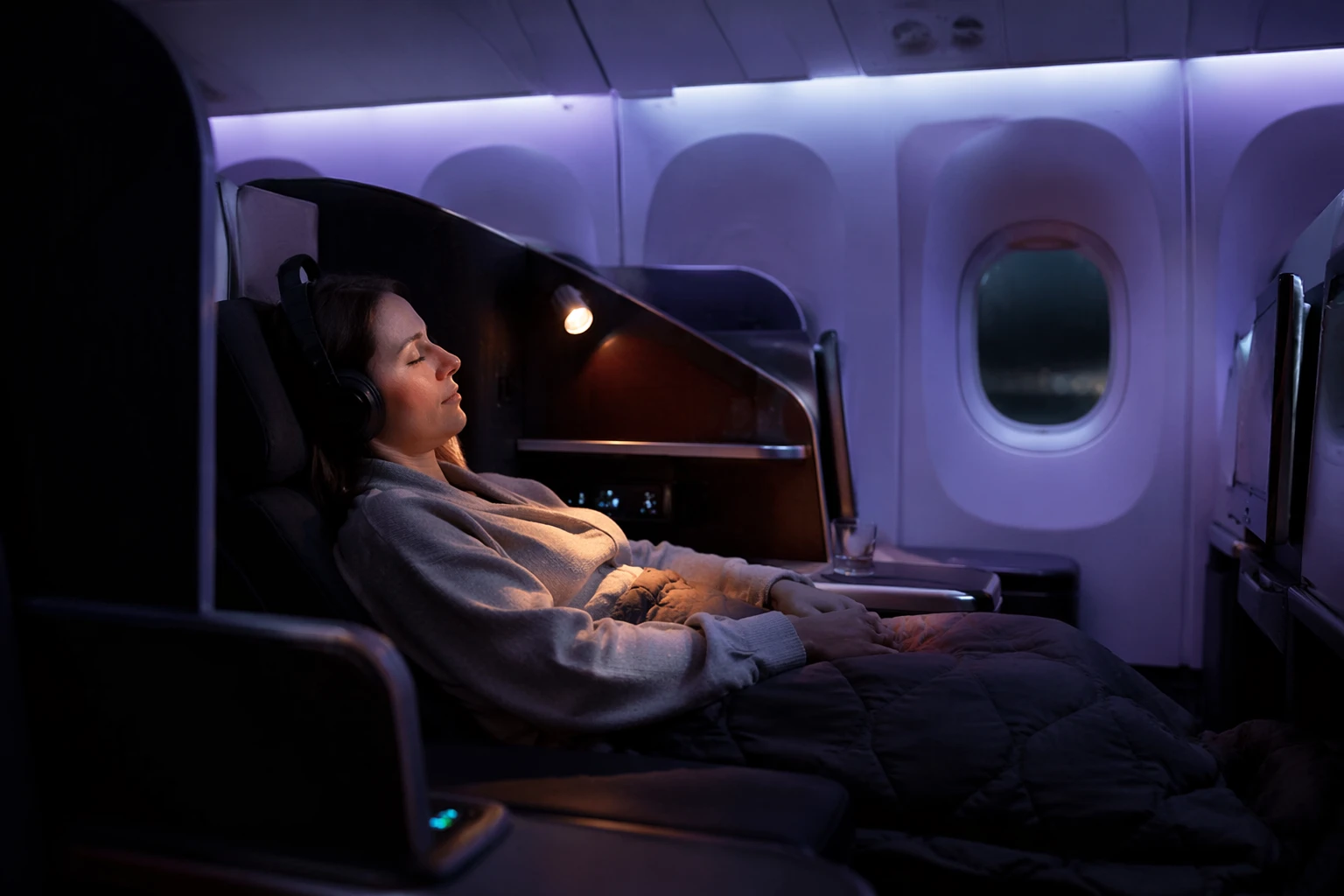
The business case is just as important as the wellness one. Qantas has estimated Project Sunrise could add more than A$400 million a year to earnings once all 12 aircraft are in service, even as chief executive Vanessa Hudson has said premium-cabin fares may run about 20 percent above one-stop alternatives. More than 360 pilots and 1,200 cabin crew will be trained, while Airbus’ first A350-1000ULR test aircraft made its first flight on 2 June 2026 and still needs EASA certification. For Qantas, the real test is whether sleep science solves a passenger-health problem, or simply makes a punishing route feel expensive enough to fly.
Sources
- [1]streetinsider.com
- [2]qantas.com
- [3]qantasnewsroom.com.au
- [4]sydney.edu.au
- [5]airbus.com
- [6]abc.net.au