Technology
Queen's University Belfast 3D-printed battery could speed energy storage research
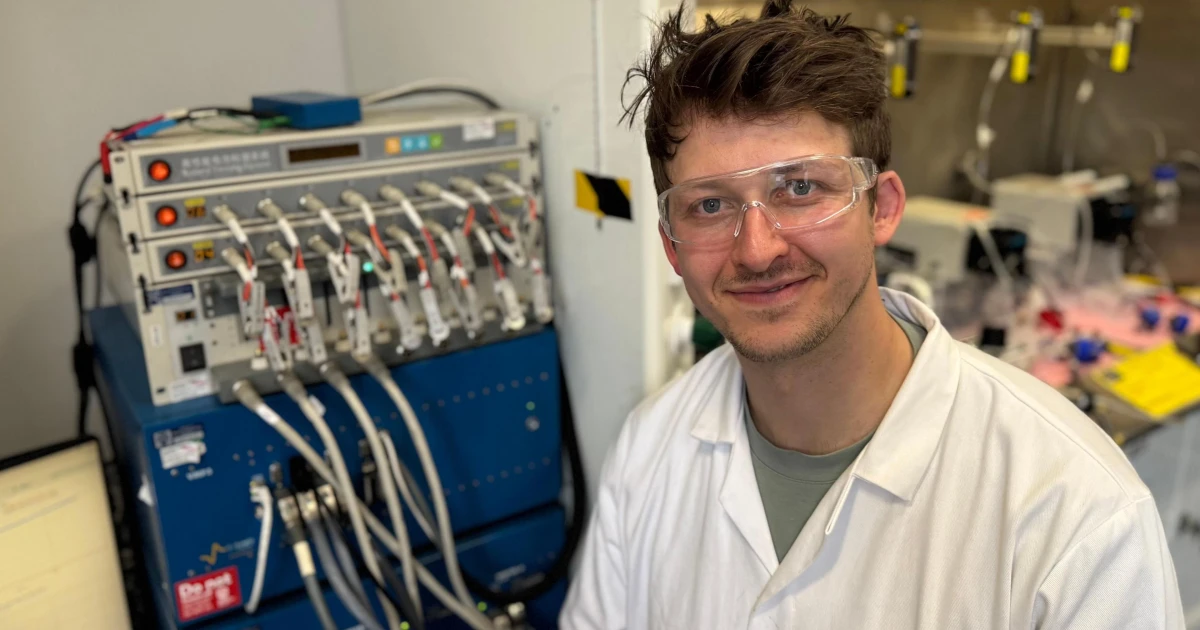
Queen’s University Belfast researchers have built an open-source 3D-printed redox flow battery test-cell platform designed to let laboratories make custom cells quickly and cheaply. The 2022 paper in Sustainable Energy & Fuels was written by Hugh O’Connor, Josh J. Bailey, O. M. Istrate, P. A. A. Klusener, R. Watson, S. Glover, F. Iacoviello, D. J. L. Brett, P. R. Shearing and P. Nockemann.
The practical shift is in how fast researchers can work. Instead of waiting for bespoke hardware, scientists can 3D-print a cell, change the design and print again, a process that matters when the shape of the cell affects how reactants move through it. The paper presents the platform as a straightforward framework for custom-made, low-cost test cells, and its open-source format is meant to make the setup easier to reproduce in other laboratories.
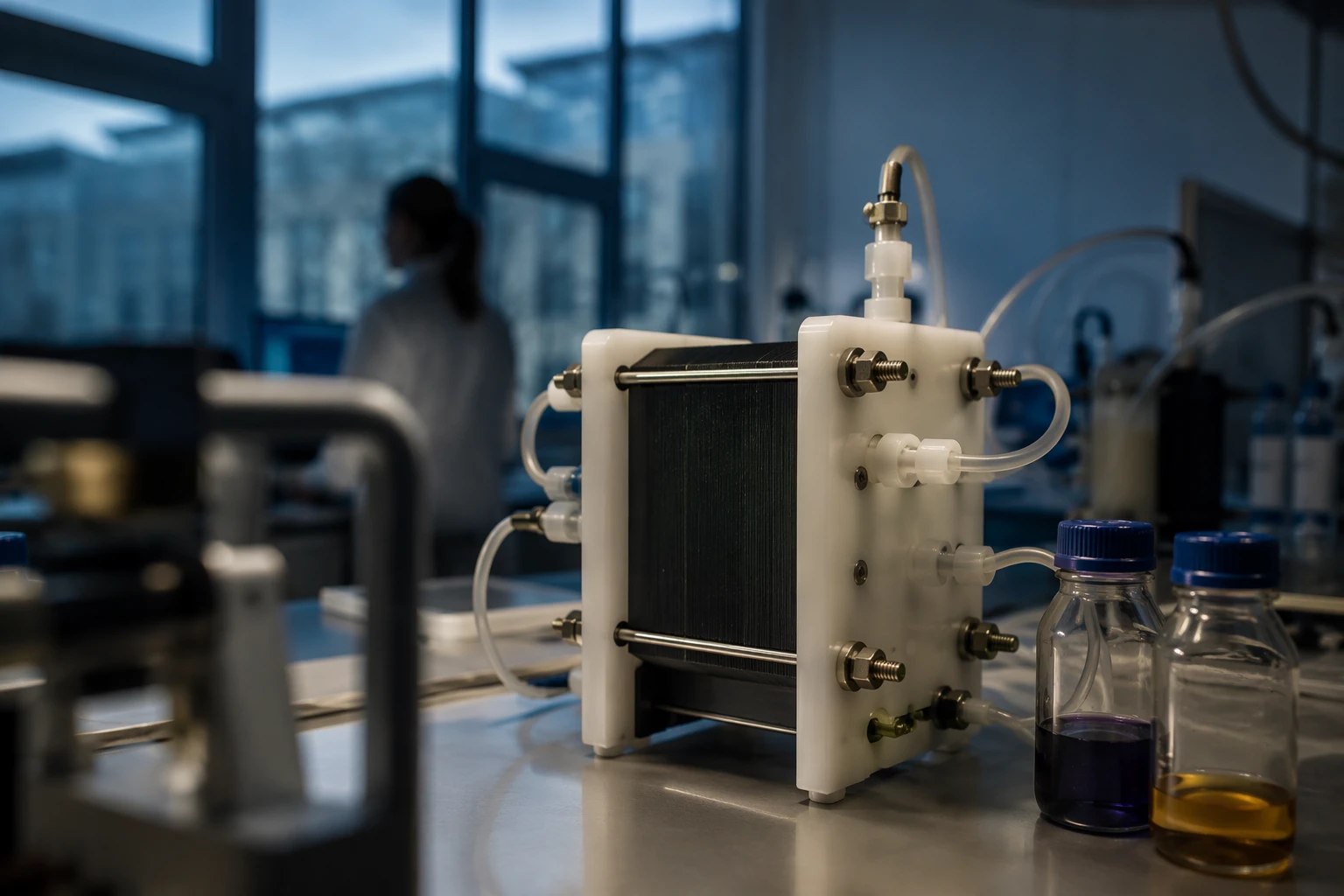
That speedup does not erase the harder part of battery development: getting from a bench-scale cell to a system that can support the grid. Redox flow batteries are attractive for long-duration storage, but a printed test cell is only one piece of a much larger engineering puzzle that includes materials, membranes, pumps, durability and scale. Queen’s own ImpRESS project shows how far that distance still is. The UK-Ireland industry-led collaboration was launched through an International Energy Research Centre workshop at Queen’s University Belfast with Energia, Williams Industrial Services, Bombardier, Green Lizard Technologies, IERC and Queen’s.
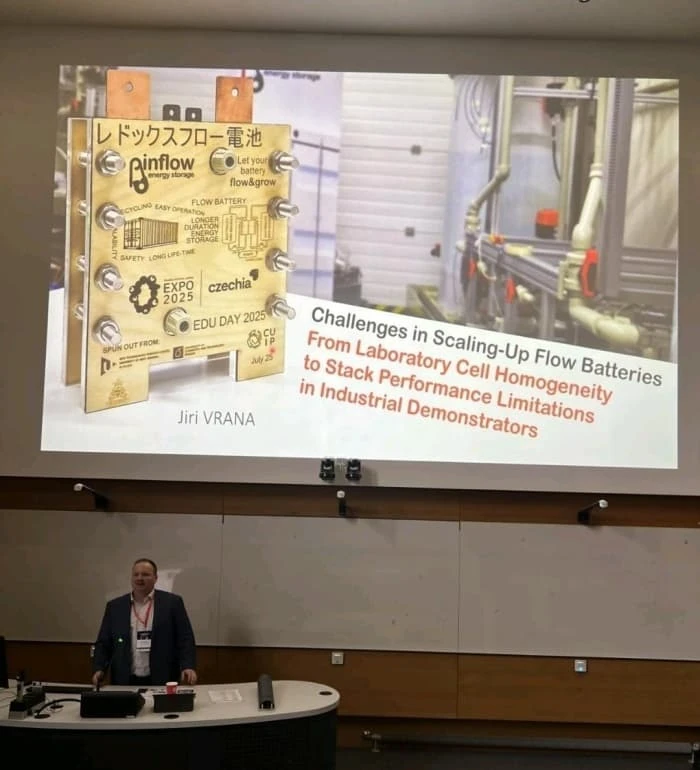
ImpRESS was framed around battery-based energy storage on the Irish grid and the need to stress-test renewable storage for smart grids. That makes the 3D-printed platform look less like a breakthrough that will transform the power system overnight and more like a tool that can help researchers test more ideas, faster, before expensive pilots begin.

Queen’s has been building in this field for years. Researchers there previously designed a flexible organic battery for medical implants in 2017, a reminder that the university’s battery work stretches from health applications to stationary storage. For communities that need cleaner and more reliable power systems, the value of the 3D-printed cell is clear: it can shorten the research cycle, but grid-scale storage will still depend on the slower work of proving materials, safety and performance at scale.
Sources
- [1]bbc.co.uk
- [2]pureadmin.qub.ac.uk
- [3]irishtechnews.ie
- [4]bbc.com
- [5]siliconrepublic.com