Politics
Questions Remain as Congress Faces Next DHS Funding Deadline
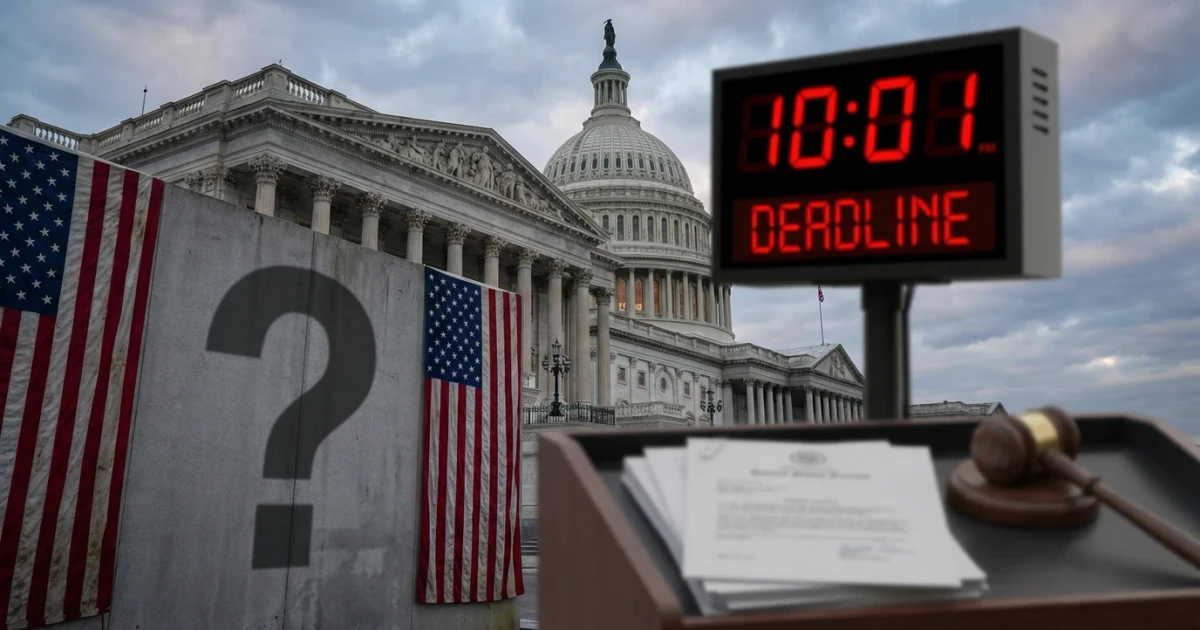
Uncertainty continues to surround the status of the Department of Homeland Security (DHS) as Congress approaches its next funding deadline. With questions mounting over whether DHS remains shut down and when legislators will act, government operations and security planning hang in the balance.
Current Status of DHS Funding
The Department of Homeland Security is currently in a state of funding uncertainty. While some appropriations have lapsed, official appropriations tables show that stopgap measures have, at times, kept certain key operations running. However, the lack of a full-year appropriations bill means that DHS faces the risk of partial shutdowns affecting non-essential services and administrative functions.
Congressional records from the 118th Congress indicate that while some agencies have received their annual funding, the bill covering DHS remains tied up in legislative negotiations. The Congressional Budget Office’s Appropriations Status Report for Fiscal Year 2024 confirms that a permanent funding solution has yet to be reached for the department.
Impacts of a Funding Gap
When DHS operates without a full-year appropriations bill, it faces what analysts call a federal funding gap. According to the Government Accountability Office’s shutdown analysis, such gaps can trigger disruptions in non-essential agency functions, delay administrative work, and affect future planning for programs ranging from cybersecurity to disaster response. However, core security functions—like border protection, airport screening, and emergency services—typically continue, as they are deemed essential.
- The DHS budget documents show that the agency’s largest expenditures are for essential operations, which are protected during funding lapses.
- Historical data reveals prior shutdowns have led to backlogs in casework and interruptions in grant processing, though the majority of DHS personnel remain at work without pay until funding is restored.
- According to the U.S. Treasury’s Monthly Statement of Operations, DHS outlays during shutdowns decrease, reflecting the suspension of non-critical spending.
When Will Congress Vote on DHS Funding Next?
Legislative calendars show that the next vote on DHS funding is expected within days, as lawmakers work to avoid a prolonged shutdown. The Providence Journal reports that negotiations are ongoing, but partisan disagreements over specific policy riders and funding allocations continue to stall progress.
Policy analysts note that the upcoming vote will determine whether DHS receives a full appropriations bill or another temporary extension. If Congress fails to act, the department could see a repeat of prior funding gaps, with impacts spreading from administrative offices to the public-facing services that depend on federal support.
What’s at Stake?
The threat of a DHS shutdown extends beyond Washington. State and local agencies rely on federal grants for emergency preparedness, counterterrorism, and disaster response. Delays in funding can slow the release of resources to first responders and law enforcement nationwide.
As the funding deadline looms, experts from the Congressional Research Service emphasize the importance of timely appropriations to maintain operational readiness and public trust. The ongoing uncertainty also complicates long-term planning for programs like FEMA disaster relief and cybersecurity investments.
Looking Ahead
As Congress prepares for its next vote, the immediate future of DHS funding remains unsettled. While essential security functions are expected to continue regardless of the outcome, ongoing uncertainty raises concerns about the department’s ability to plan, recruit, and deliver on its mission. Lawmakers face pressure to resolve their differences and provide a stable appropriations framework for one of the nation’s most critical agencies.
For readers tracking government operations and security, the coming days will be pivotal. Detailed breakdowns of the appropriations process and real-time updates on legislative action can be found through official Congressional records and the CBO's status reports.