Politics
Race to become UK chancellor heats up after prime minister’s resignation
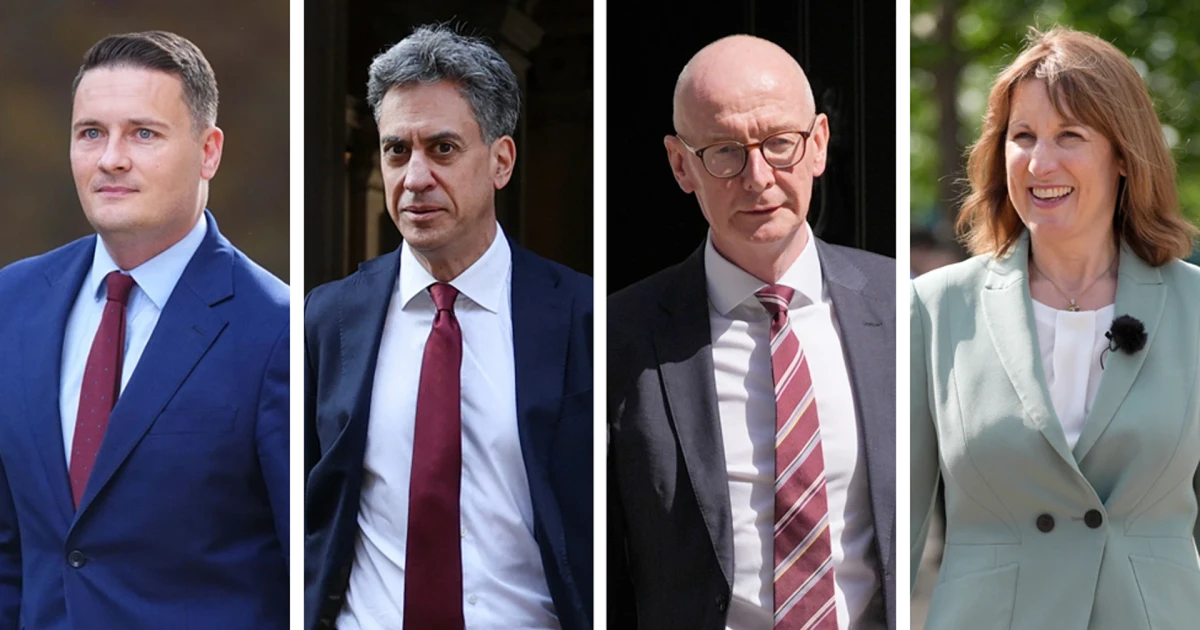
The resignation at the top of government has put the Treasury at the centre of the political fight. Whoever moves into the chancellor’s job will not just inherit a briefcase in 11 Downing Street, but immediate control over taxation, borrowing, public spending and the annual Budget, at a moment when investors and voters will judge every signal on economic discipline.
That makes the post more than a senior cabinet office. The Chancellor of the Exchequer is the government’s chief financial minister, responsible for growing the UK economy, controlling public spending and shaping the monetary framework while liaising with the Governor of the Bank of England. HM Treasury describes itself as the government’s economic and finance ministry, maintaining control over spending and setting the direction of economic policy. In practice, the next appointment will be read as a verdict on whether the new leadership wants restraint, tax rises, more borrowing, or some combination of all three.

The stakes are sharpened by the history of the office. The relationship between prime minister and chancellor has long been one of the most important in government, and one of the most destabilising when it breaks down. Sir Keir Starmer became prime minister on 5 July 2024, and Rachel Reeves remains chancellor. Any leadership change would immediately test whether the Treasury stays aligned with 10 Downing Street or becomes the site of a new economic argument over how far the state should spend, how much it should borrow, and where revenue should come from.
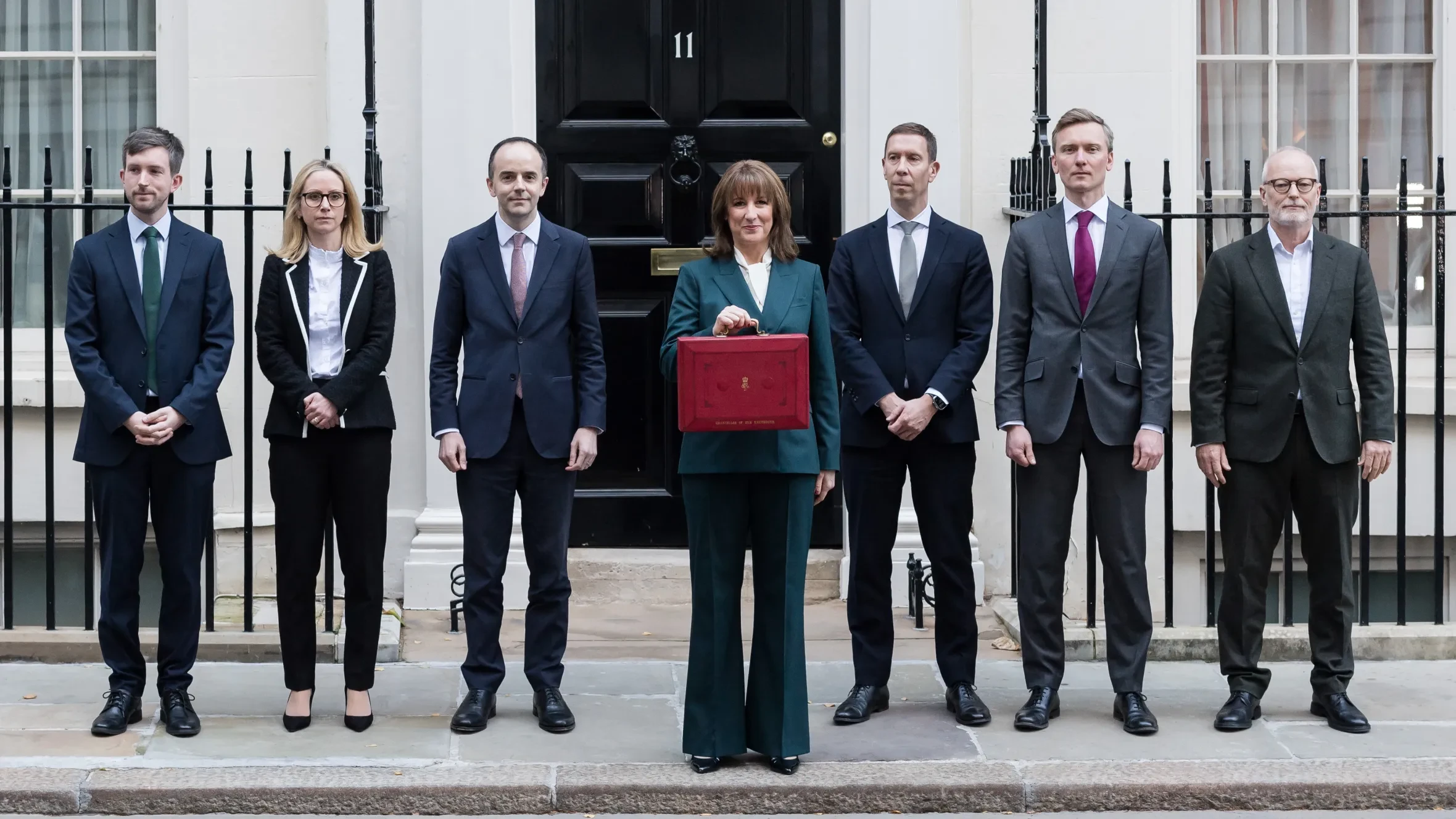
The recent record shows how central the post becomes in a transition. Rishi Sunak served as chancellor from 13 February 2020 to 5 July 2022 before later becoming prime minister on 25 October 2022. Jeremy Hunt held the job from 14 October 2022 to 5 July 2024, and Kwasi Kwarteng occupied it for barely more than a month, from 6 September 2022 to 14 October 2022. Those abrupt shifts underline how quickly the chancellorship can define a government’s credibility, especially when markets are watching for signs of fiscal control.

The next occupant will also inherit a wider international brief. The Treasury role covers the United Kingdom’s economic and financial representation at the G7, G20, the International Monetary Fund, the European Bank for Reconstruction and Development and the Asian Infrastructure Investment Bank. That makes the contest over the office about more than personnel: it is a contest over how Britain presents itself to lenders, allies and markets at a moment when confidence in fiscal management will be closely measured.
Sources
- [1]bbc.co.uk
- [2]gov.uk
- [3]history.blog.gov.uk