World
Rachel Reeves faces fiscal test as borrowing pressures mount
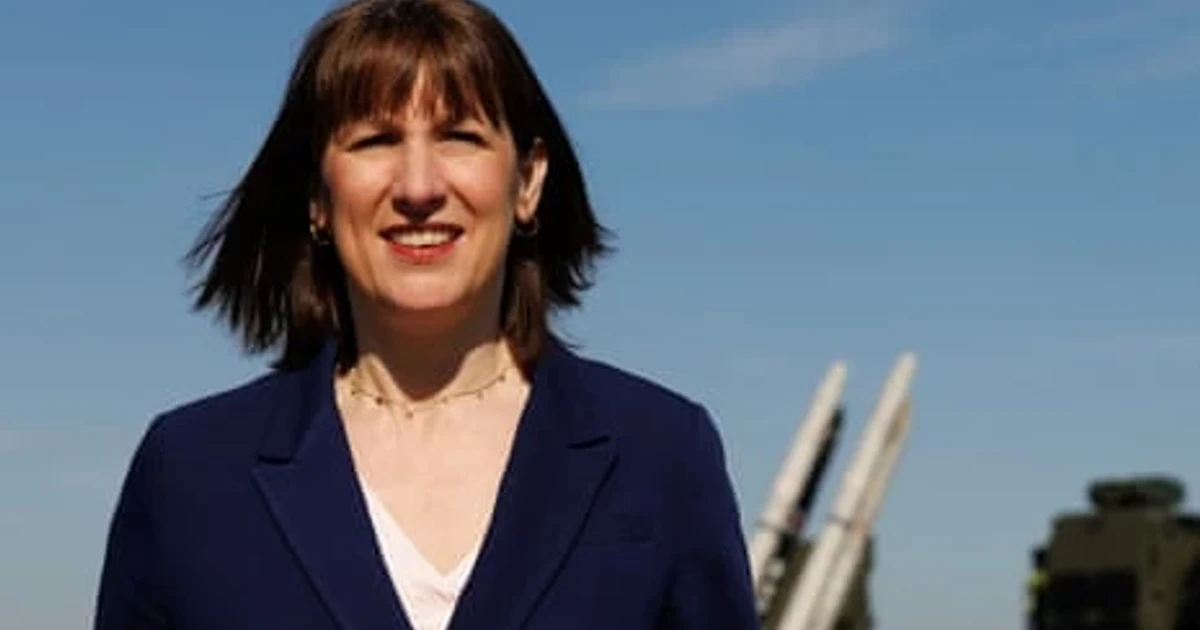
Rachel Reeves is being tested by the same promise that helped define her time at the Treasury: keep borrowing under control, protect the public finances and still find room to spend. With Labour under pressure and an election-year atmosphere building, the chancellor now sits at the center of a bigger question for the government, whether fiscal rules can survive when political survival starts to demand concessions.
Reeves came into office after Labour’s July 2024 general election win and quickly backed a tougher fiscal framework. Under the government’s stability rule, day-to-day spending is meant to be covered by tax revenues; under the investment rule, debt must fall as a share of the economy. Parliament approved the Charter for Budget Responsibility on 29 January 2025, putting those rules into law and tying Reeves more tightly to the case for discipline. When she set out her Spending Review on 11 June 2025, Reeves said her purpose was to rebuild schools and hospitals and invest in the economy after what she called a £22 billion black hole in the public finances.
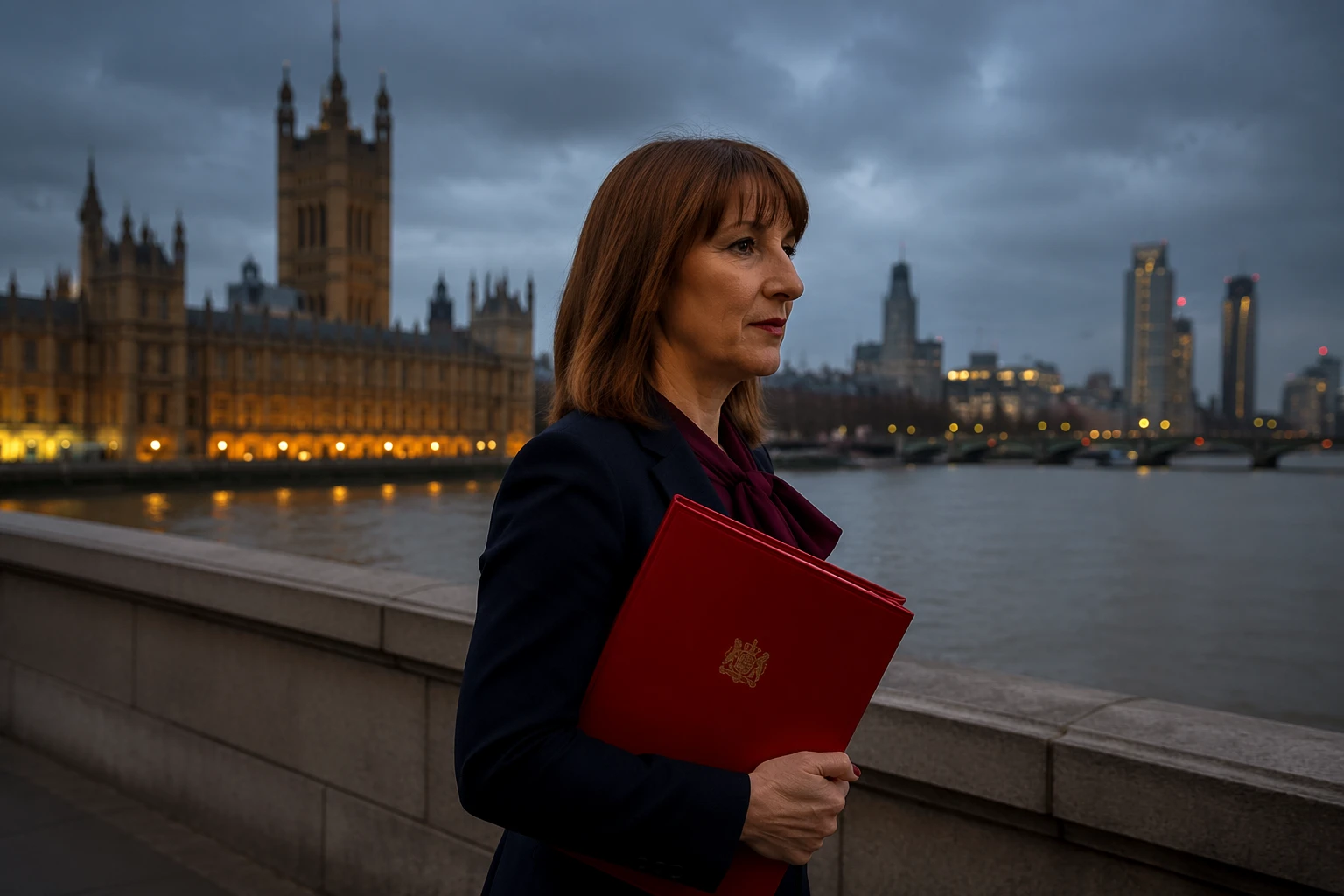
The strain on that framework sharpened in March 2026. The Office for Budget Responsibility cut its 2026 growth forecast to 1.1 percent from 1.4 percent, even as later years were upgraded and commentary on the outlook said Reeves’ fiscal headroom had risen to about £23.6 billion. Reeves used the Spring Forecast on 3 March 2026 to argue that her economic plan was working, saying inflation was falling and borrowing was down. But the numbers that followed underlined how fragile that case remained.

The Office for National Statistics said public sector borrowing in February 2026 was £14.3 billion, the second-highest February borrowing since monthly records began in 1993. That figure reinforced the scale of the task facing HM Treasury as it tries to hold the line on spending while protecting growth and public services. Every sign of extra room in the forecast has been matched by fresh pressure to use it.
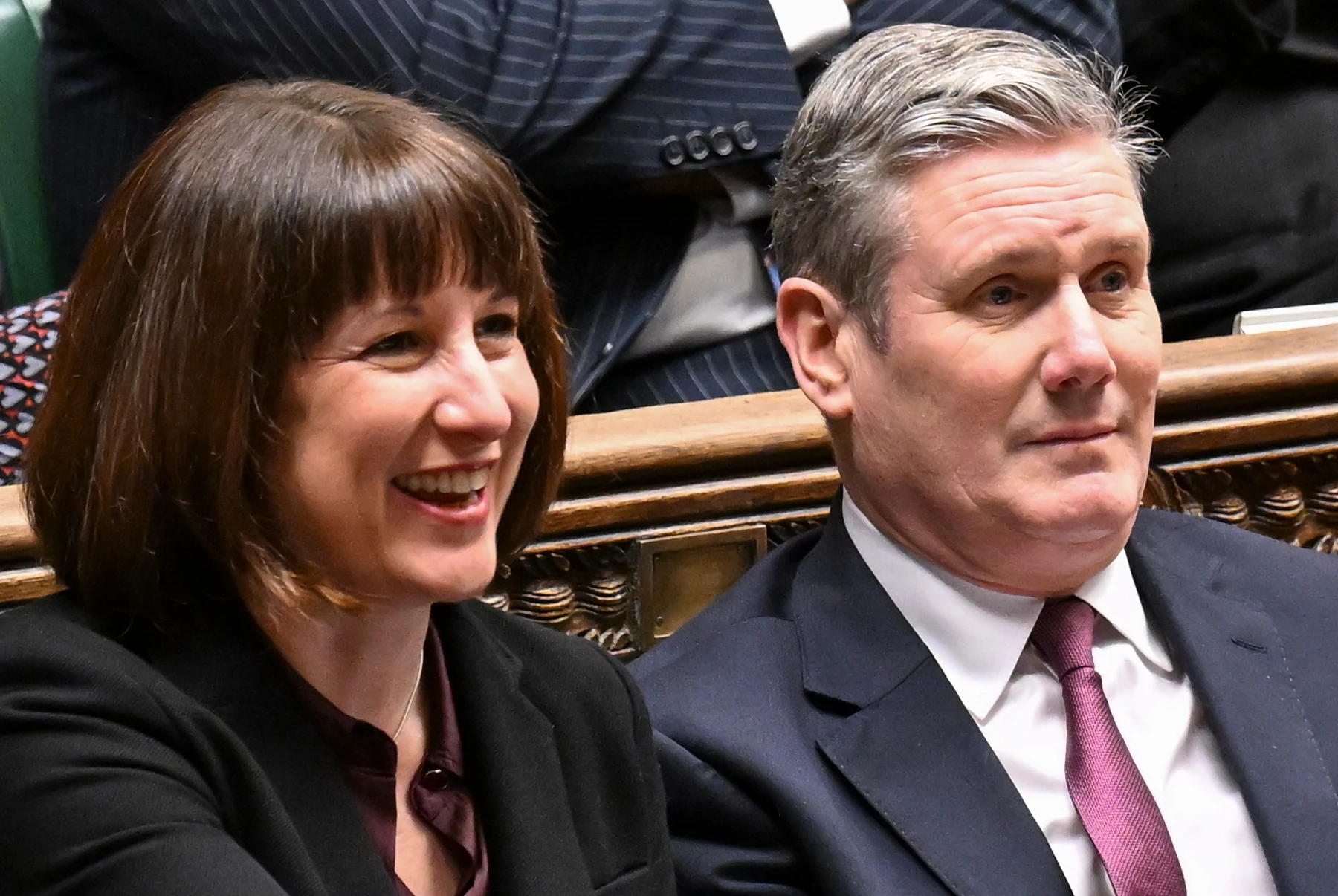
The politics around Reeves have become even more unstable. In late April 2026, Keir Starmer repeatedly declined to guarantee that she would remain Chancellor, prompting fresh speculation over her future. Downing Street later said the Prime Minister had full confidence in her, but the damage was done. Labour’s heavy losses in the May 2026 local elections, alongside Reform UK’s surge, deepened the sense that Reeves now embodies a governing dilemma that will only become harder to manage: market credibility can be won with restraint, but voter patience may demand more spending, more relief and, eventually, more tax rises.