World
Ramaphosa urges South Africans not to scapegoat migrants
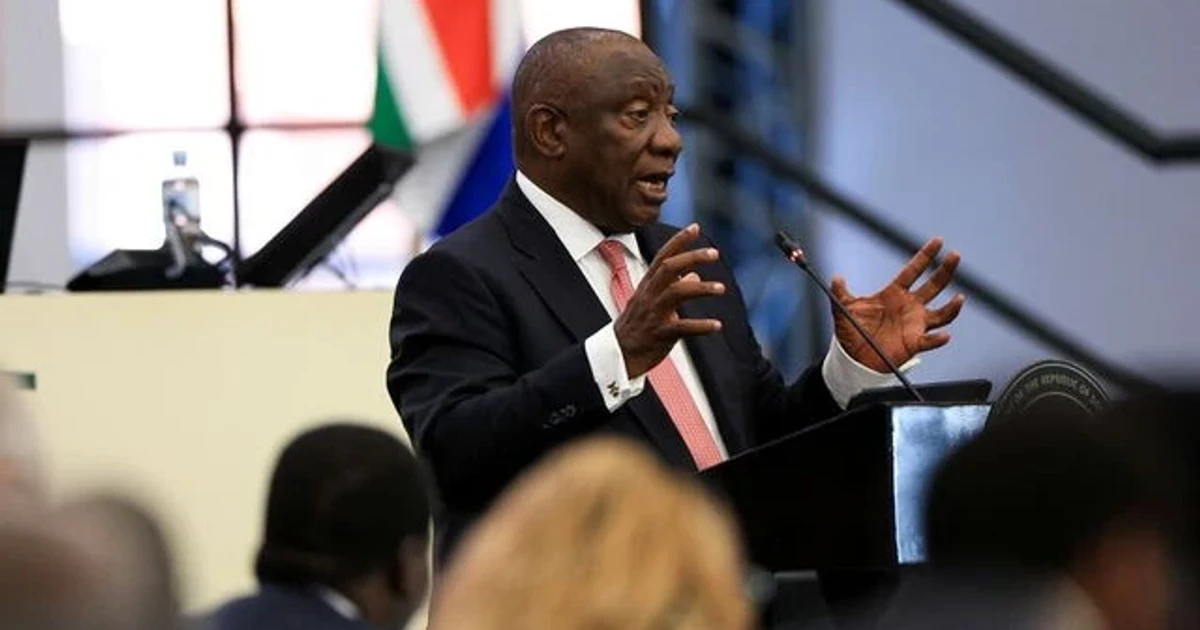
Cyril Ramaphosa used South Africa’s Youth Day stage in Johannesburg to push back against a surge of anti-migrant anger, warning that vulnerable foreigners should not be turned into scapegoats for the country’s economic pain. The commemoration, held at the FNB Premium Parking precinct in Nasrec, marked the 50th anniversary of the 1976 Soweto Uprising and unfolded against a mood of deep frustration over jobs, crime and failing services.
Ramaphosa’s message landed in a country where the numbers remain brutally stark. South Africa’s youth unemployment rate was 45.8% in the first quarter of 2026, the overall unemployment rate stood at 32.7%, and government labour data said unemployment among 15-to-24-year-olds remained above 60%. In the same period, South Africa recorded 5,181 murders from January to March 2026, an average of about 58 killings a day, and the government said the murder rate for April 2025 to March 2026 was 36.6 per 100,000 population.
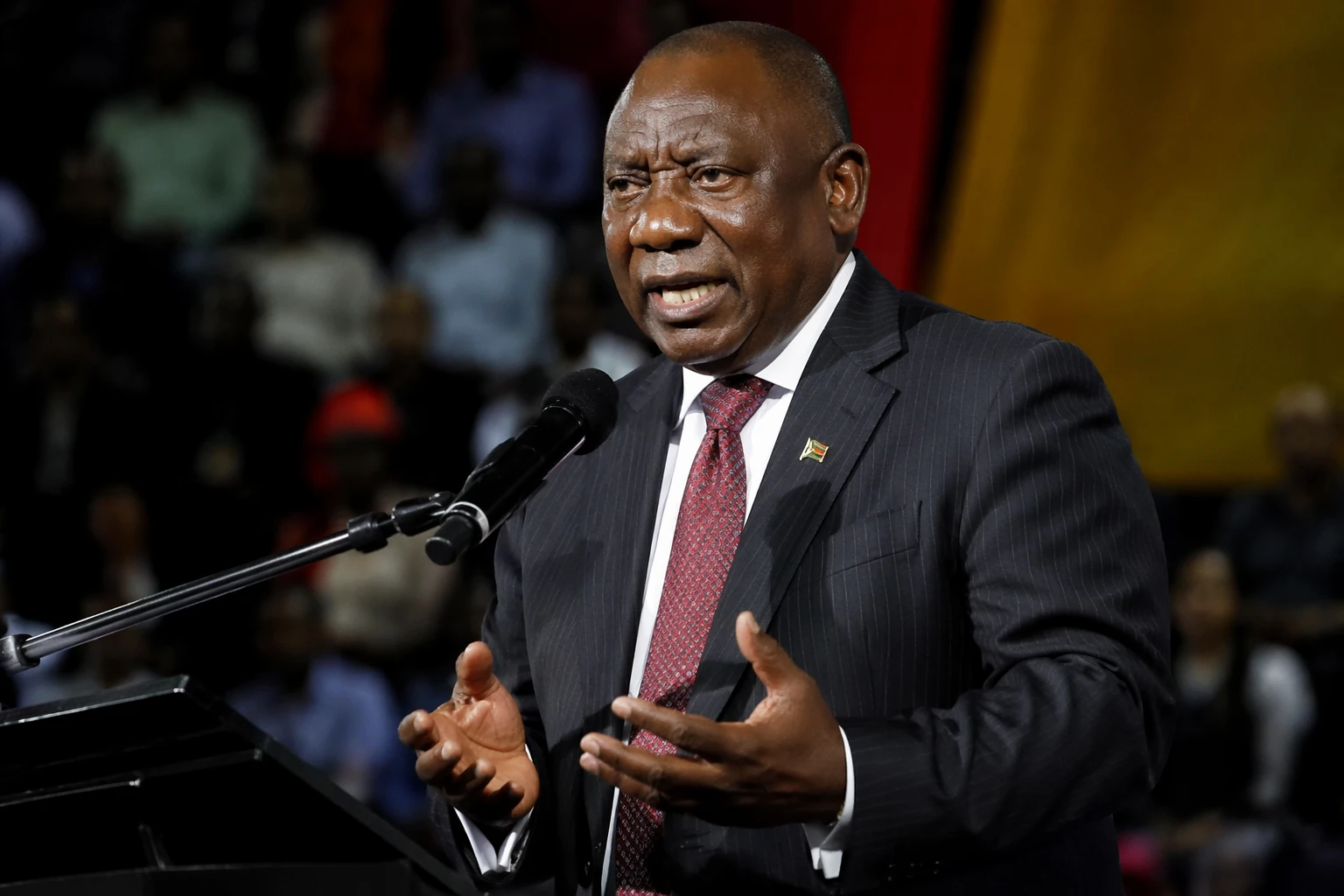
Anti-immigrant groups have blamed migrants for unemployment, crime and poor public services, and Ramaphosa acknowledged that many South Africans, especially young people, are legitimately angry about those conditions. But he argued that the answer is not to direct that anger at migrants, even as the government says it is taking decisive action on illegal immigration. The political balancing act matters in a country facing municipal elections on 4 November 2026, with the African National Congress under pressure from voters frustrated by sluggish growth and weak governance.
The warning also reflected a longer national pattern. South Africa has endured recurring xenophobic violence since the mid-2000s, including a major outbreak in 2008 that killed at least 62 people. Later spikes, including in 2015, hardened fears that anti-foreigner rhetoric can quickly move from politics into street violence.

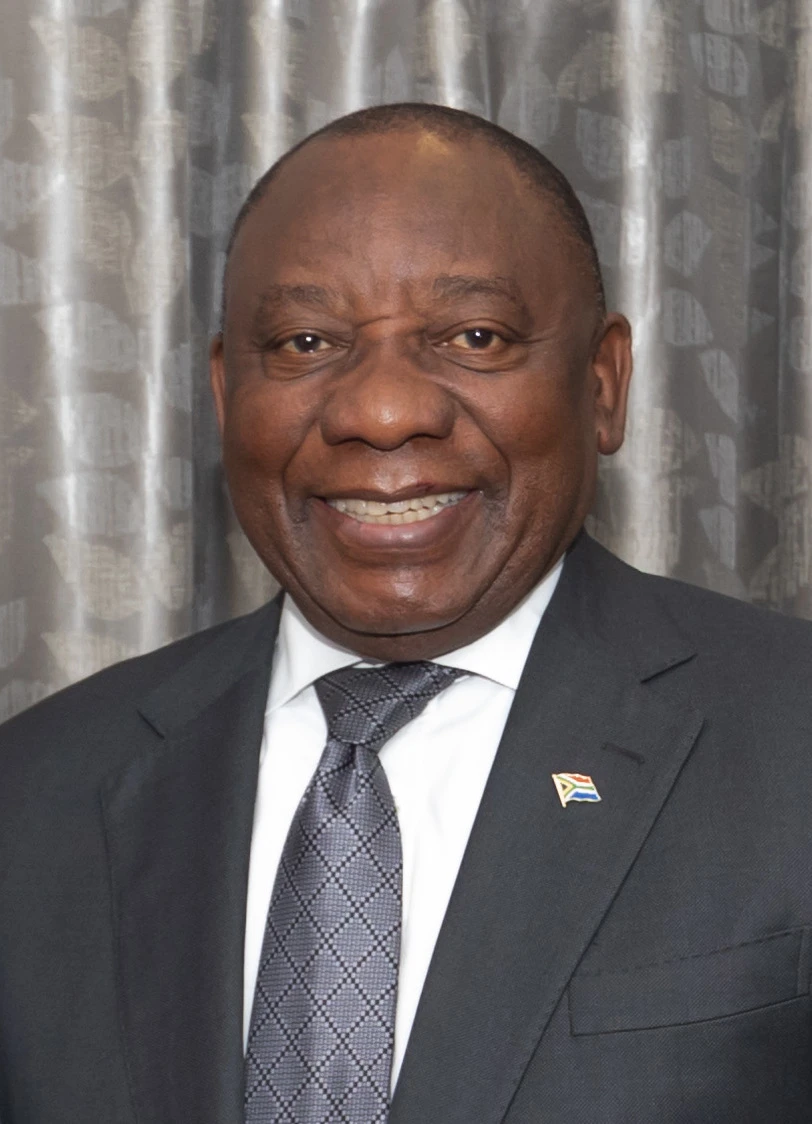
South Africa remains a destination for people from neighboring countries seeking work or fleeing conflict, which means migration pressures are unlikely to disappear. Ramaphosa’s remarks signaled that the presidency wants to calm unrest without giving cover to vigilante attacks. The deeper problem, his comments suggested, is not migration itself but the structural failure to deliver jobs, safer communities and reliable public services in a society still marked by the inequality left behind after apartheid.
Sources
- [1]usnews.com
- [2]gov.za
- [3]thestar.com
- [4]thepresidency.gov.za
- [5]sanews.gov.za
- [6]sahistory.org.za
- [7]groundup.org.za
- [8]statssa.gov.za