Sports
Rangel says Mexico controlled South Korea to top World Cup group
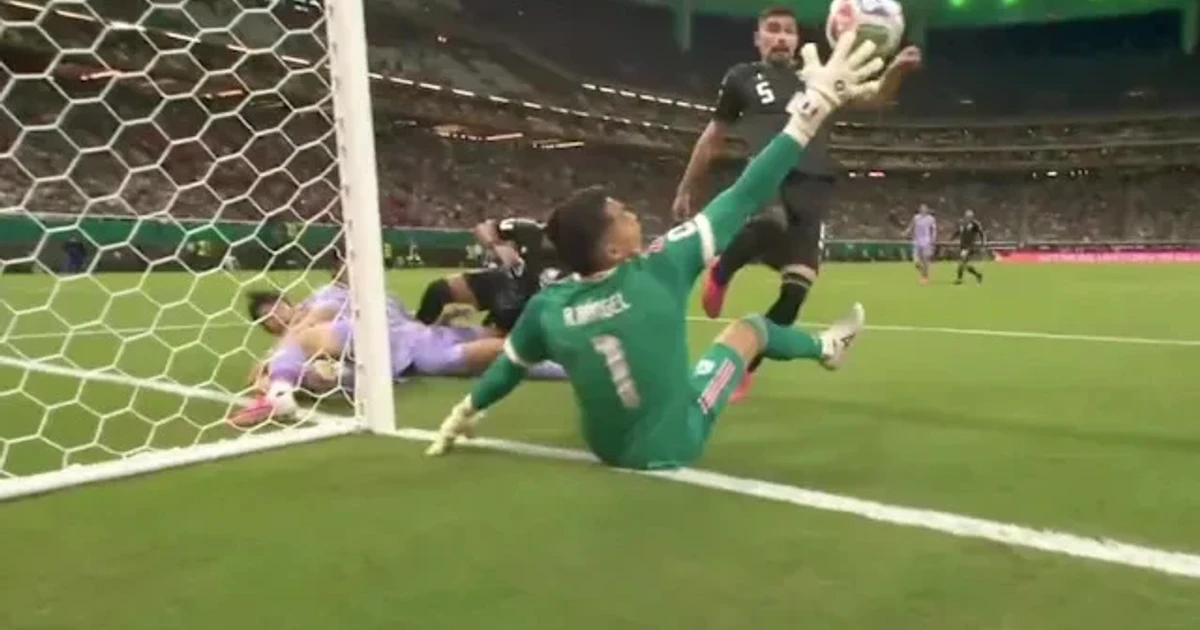
Raúl Rangel read Mexico’s performance against South Korea as evidence of control, but the match also suggested something narrower and perhaps more revealing: a team that managed danger with composure rather than overwhelming a stubborn opponent. In a Group A meeting that carried direct weight for the standings, Mexico emerged with the edge at the top of the group and with its defensive identity looking increasingly central to the campaign.
The context made the result matter. Mexico had opened its World Cup with a 2-0 victory over South Africa in Ciudad de México on June 11, 2026, while South Korea beat Czechia 2-1 in Guadalajara that same day. That left the June 19 clash at Guadalajara Stadium as a straight contest for first place in the group. Mexico entered the tournament as cohost alongside Canada and the United States, carrying the added pressure of being the third World Cup it has staged, after 1970 and 1986, and the win over South Africa gave Javier Aguirre’s team an early lift.
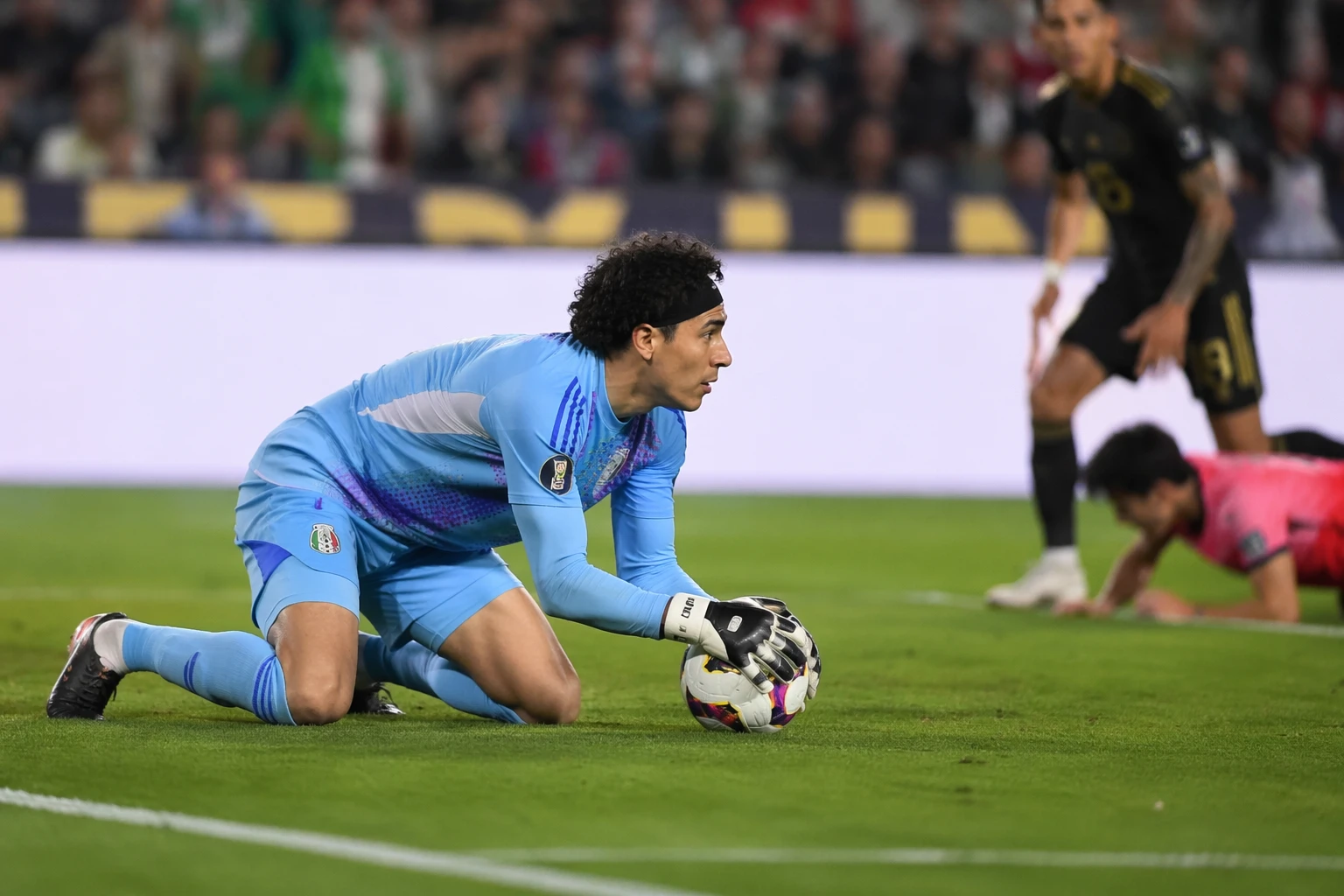
Rangel’s own rise gives the story an additional layer. The 26-year-old was born and raised in Jalisco, joined Chivas at 15, debuted professionally with Tapatío and returned to Chivas in 2023. He took over as Mexico’s No. 1 after Luis Ángel Malagón’s injury pushed Guillermo Ochoa aside, and his place in the lineup made the Korea match a test not just of Mexico’s attack, but of the team’s nerve under pressure. From a goalkeeper’s perspective, the key question was never simply whether Mexico would dominate possession or territory. It was whether the back line could keep the game in front of it, deny transitions and absorb the moments when South Korea tried to quicken the tempo.
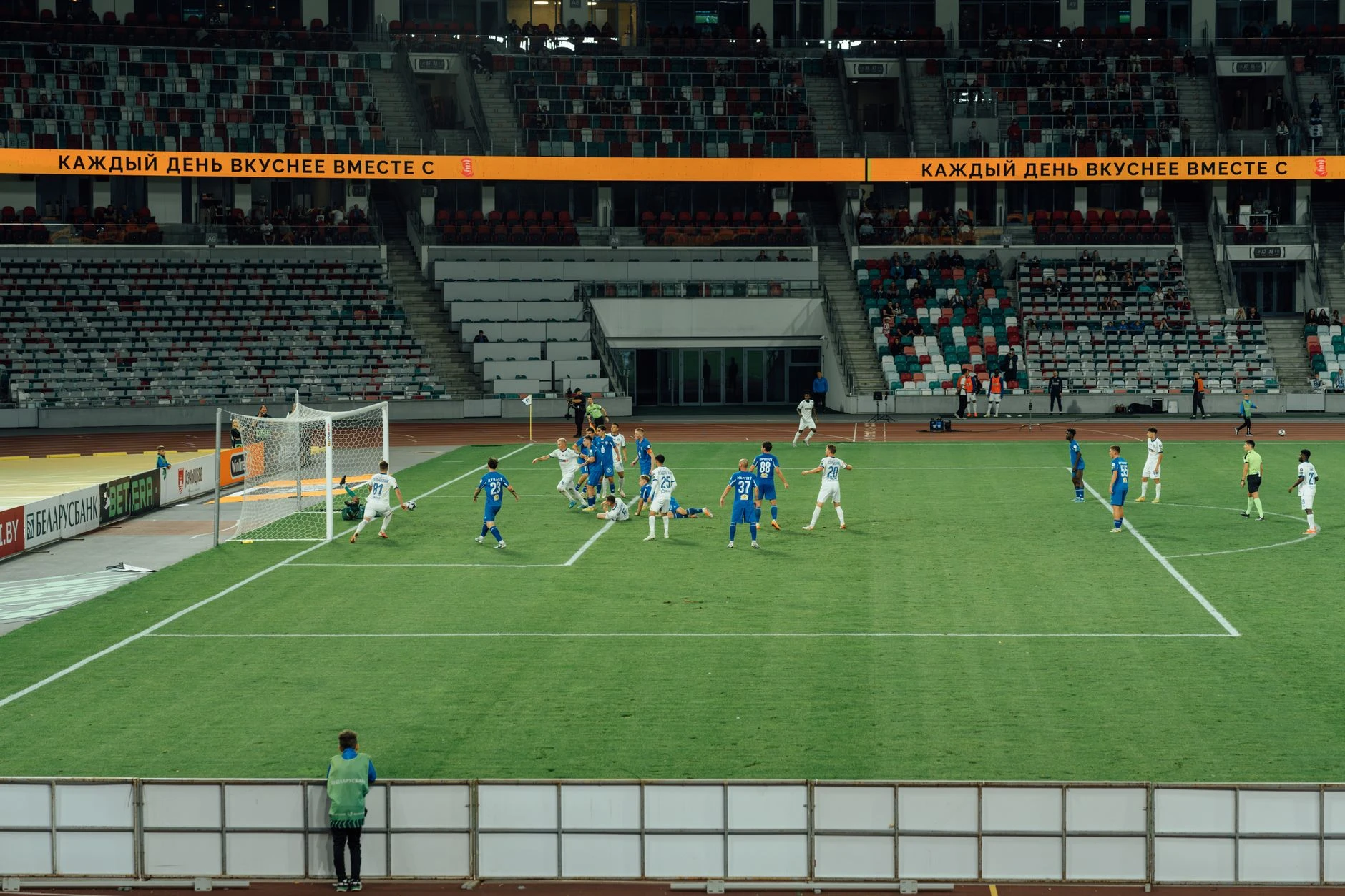
That mattered because South Korea had already shown how awkward it can be. Hwang Inbeom and Oh Hyeongyu powered the comeback against Czechia, and the Koreans arrived with a reputation for unsettling opponents. FIFA also noted that the victory over Czechia was South Korea’s third straight World Cup win against European opposition, following defeats of Germany in 2018 and Portugal in 2022. Against that backdrop, Rangel’s assessment pointed to a team that may not be imposing itself through spectacle, but is learning how to win through defensive composure, control of risk and a clear sense of structure.
Sources
- [1]telemundo.com
- [2]fifa.com
- [3]mediotiempo.com