US News
Rare 1776 Declaration copy found hidden in British archives
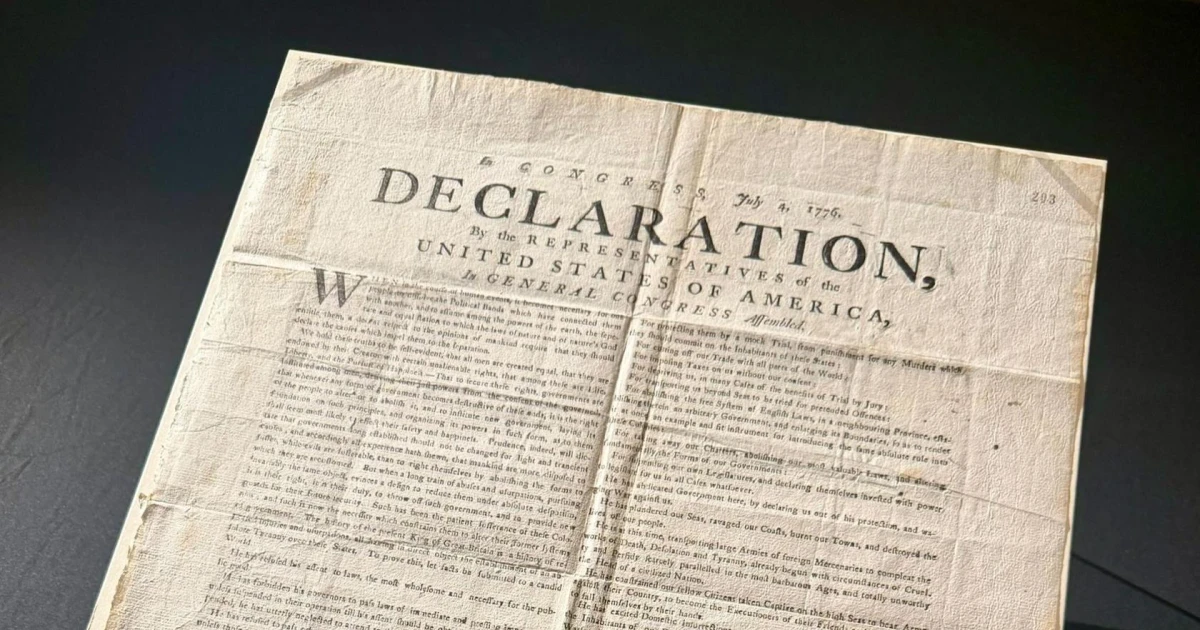
A volunteer sorting Royal Navy papers at The National Archives uncovered a lost Exeter printing of the Declaration of Independence, one of only 11 known surviving copies and the only one identified outside the United States. The sheet had been sitting in the papers of Thomas Fitzherbert, captain of HMS Raisonable, tied to a wartime capture that carried American revolutionary news into British state records.
Michael Scurr, a retired insurance broker who has volunteered at The National Archives for 11 years, found the document in May while cataloguing correspondence for the archives’ America 250 project. The copy was printed in Exeter, New Hampshire, between July 16 and July 19, 1776, only days after the original Declaration was signed in Philadelphia on July 4, 1776, making it part of the earliest wave of printed independence proclamations to cross the Atlantic.
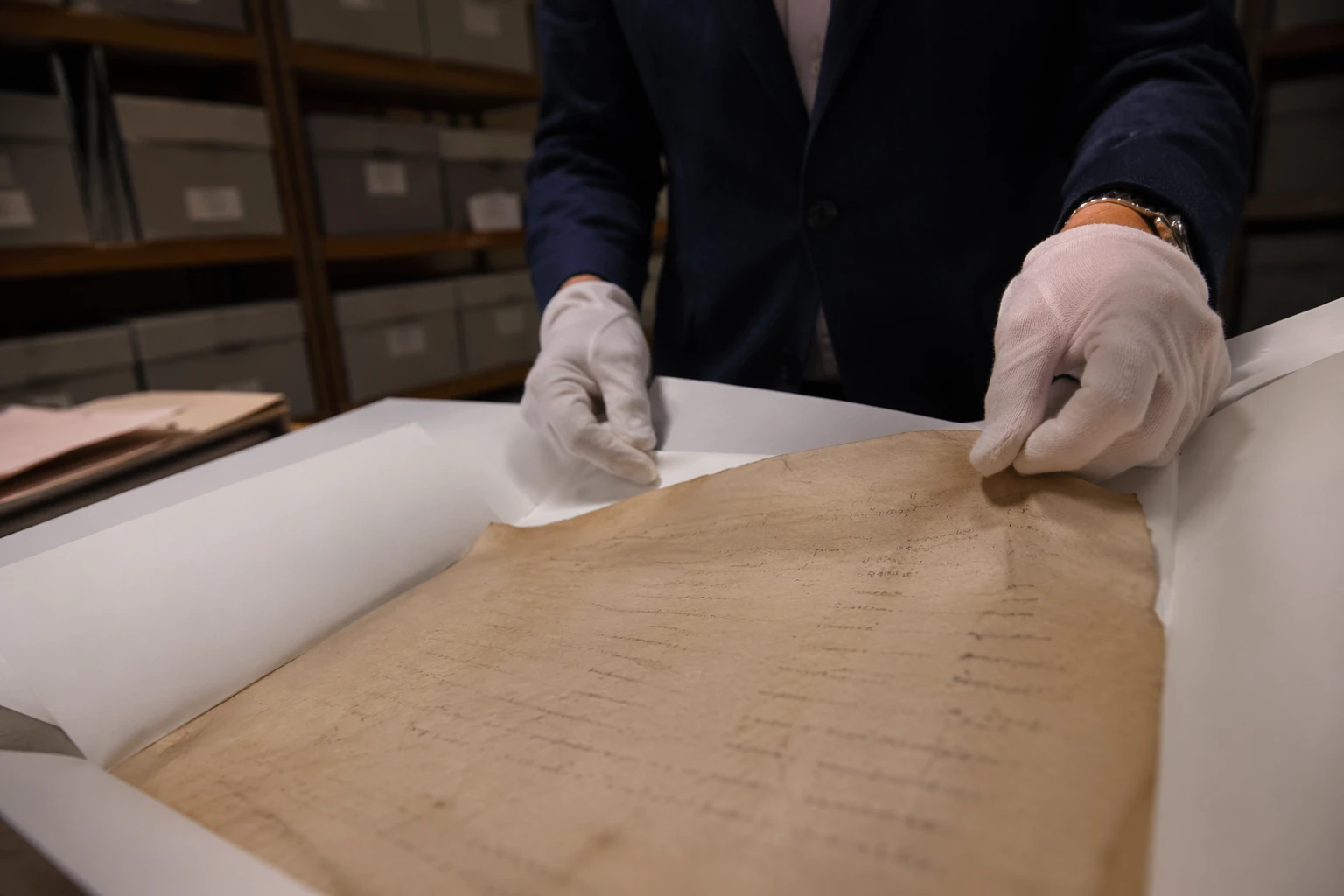
The National Archives linked the sheet to the capture of the American privateer Dalton of Newburyport, Massachusetts, which HMS Raisonable took on December 24, 1776. That setting matters as much as the document itself: the Declaration was not preserved as a ceremonial relic, but folded into naval prize papers, the kind of official record that tracked enemy vessels, cargo and correspondence. In that way, the find shows how revolutionary documents moved through the Atlantic world, who intercepted them, and how the Royal Navy preserved the paper trail of rebellion.
The archive said the discovery is the only known Exeter printing copy held outside the United States, and its rarity gives historians a new clue about how quickly independence news spread and how British officials encountered it. One Exeter printing copy sold at auction in January 2026 for more than $5.6 million, underscoring the extraordinary value attached to these sheets and the thin surviving record of how they circulated in 1776.
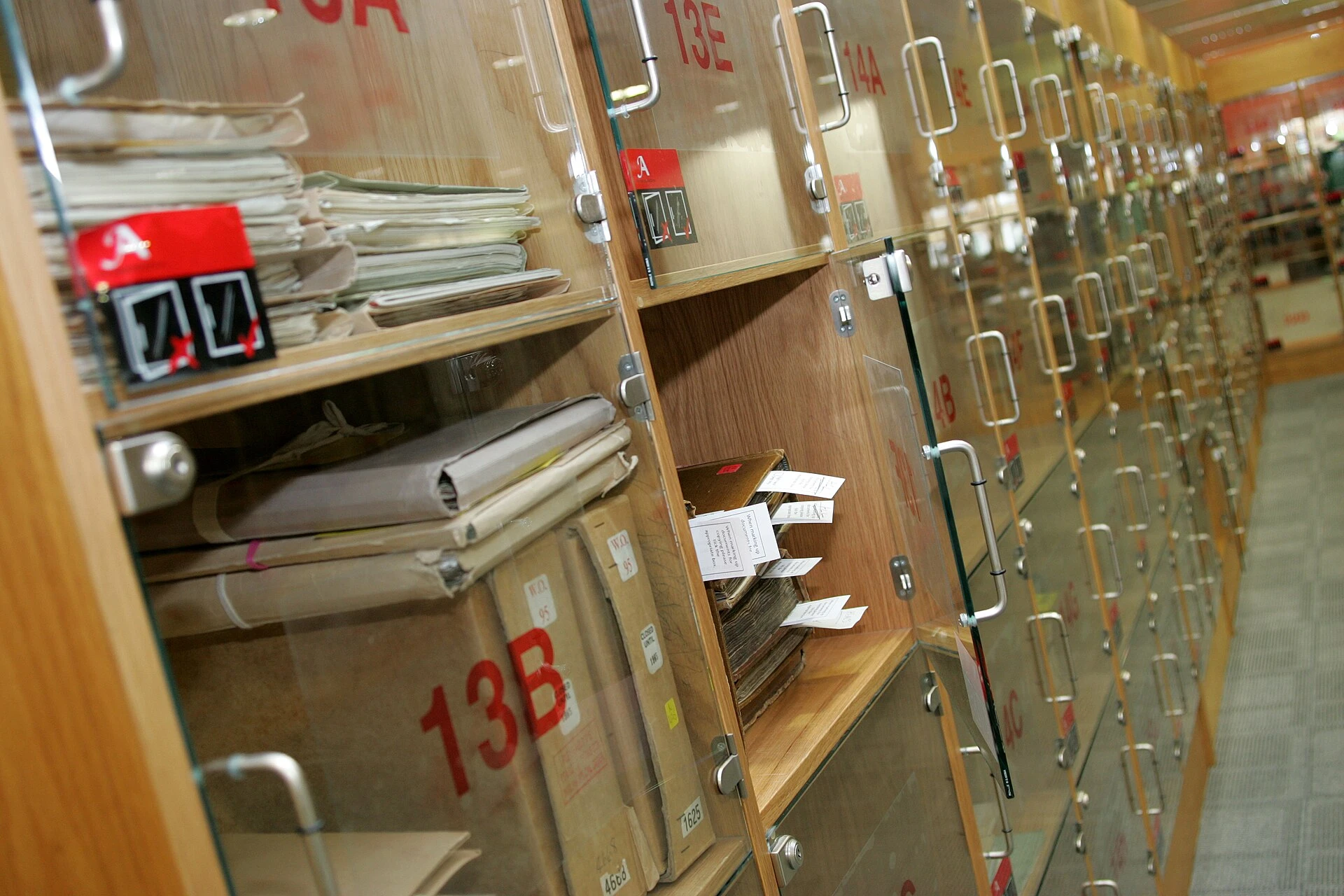
The find came just ahead of the 250th anniversary of American independence, which The National Archives is marking with Revolution 250: America’s Independence Story 1763-1783 in Kew. The exhibition, running from June 24 to November 29, 2026, includes a rare original Dunlap broadside printed on the night of July 4, 1776. That earlier printing is central to another historical thread in the archive’s collection: after a discovery there was reported in 2008, the number of known surviving Dunlap broadsides worldwide rose to 26. Together, the exhibition and the newly identified Exeter copy turn the archives into a site of national memory, where the paper trail of independence is still being rewritten.