Health
Rare Chickenpox Case Features Unusual Nodular Skin Lesions
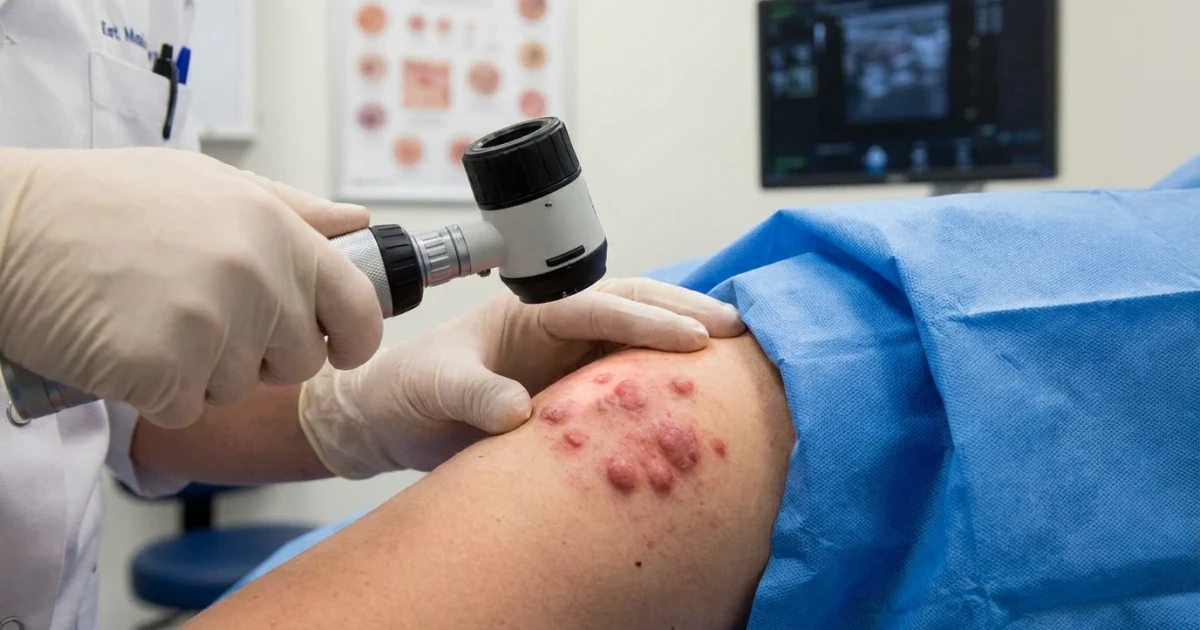
A rare presentation of chickenpox has drawn attention in the medical community, as a patient developed large, rubbery nodules instead of the typical small, itchy blisters commonly associated with the disease. The case, first reported by Ars Technica, underscores the unusual and sometimes severe complications that can arise from chickenpox infections, even as overall incidence has dropped significantly in the United States due to widespread vaccination.
Unusual Nodular Lesions Raise Diagnostic Challenges
Typically, chickenpox (varicella) is characterized by a rapid progression of skin lesions, starting as red spots that become fluid-filled vesicles before crusting over. However, in this rare case, the blisters developed into large, rubbery nodules—a presentation seldom documented in standard clinical descriptions. Such nodular manifestations can complicate diagnosis, as they mimic other dermatological conditions and may not be immediately recognized as chickenpox.
- Common chickenpox symptoms include fever, fatigue, and a widespread rash composed of small, itchy blisters.
- Rare presentations, such as nodular or hemorrhagic lesions, have been described in medical literature but are infrequently encountered in routine practice.
- According to the World Health Organization, most chickenpox cases are mild, but complications can occur, especially in immunocompromised individuals.
Understanding Nodular and Atypical Chickenpox
Peer-reviewed research has documented that while the majority of varicella cases display the classic vesicular rash, a minority may develop atypical skin presentations, including nodules, purpura, or large plaques. These uncommon forms are more likely to occur in patients with altered immune responses or underlying health conditions, but they can also appear in otherwise healthy individuals.
Such presentations often require additional laboratory testing or skin biopsies to distinguish from other infectious or autoimmune diseases. The Centers for Disease Control and Prevention provides detailed clinical guidelines to help healthcare professionals identify and report these rare cases.
Implications for Public Health and Clinical Practice
While chickenpox is now uncommon in countries with robust vaccination programs, cases like this highlight the importance of continued vigilance by clinicians. Even rare or atypical presentations can pose diagnostic dilemmas and may lead to delayed treatment or misdiagnosis.
- The CDC reports that over 90% reduction in chickenpox cases has been achieved in the U.S. since the introduction of the varicella vaccine.
- Breakthrough cases can still occur, sometimes with unusual symptoms.
- Severe complications, including bacterial superinfection, pneumonia, or neurological involvement, are rare but well-documented in surveillance data.
Expert Perspective
Although this case is highly atypical, it serves as a reminder that varicella-zoster virus can manifest in unpredictable ways. Increased awareness of such presentations can help ensure prompt recognition and management. Ongoing research continues to explore the reasons behind these rare manifestations, including potential genetic, immunological, or viral factors.
Looking Forward
As chickenpox becomes less common thanks to vaccination efforts, rare presentations like nodular lesions may become increasingly noteworthy in the medical literature. Public health authorities emphasize the importance of vaccination and timely reporting of unusual cases to maintain progress in controlling the disease and to improve understanding of its full clinical spectrum.