Science
Rare Cliffside Tree Gains Lifeline at Botanic Gardens
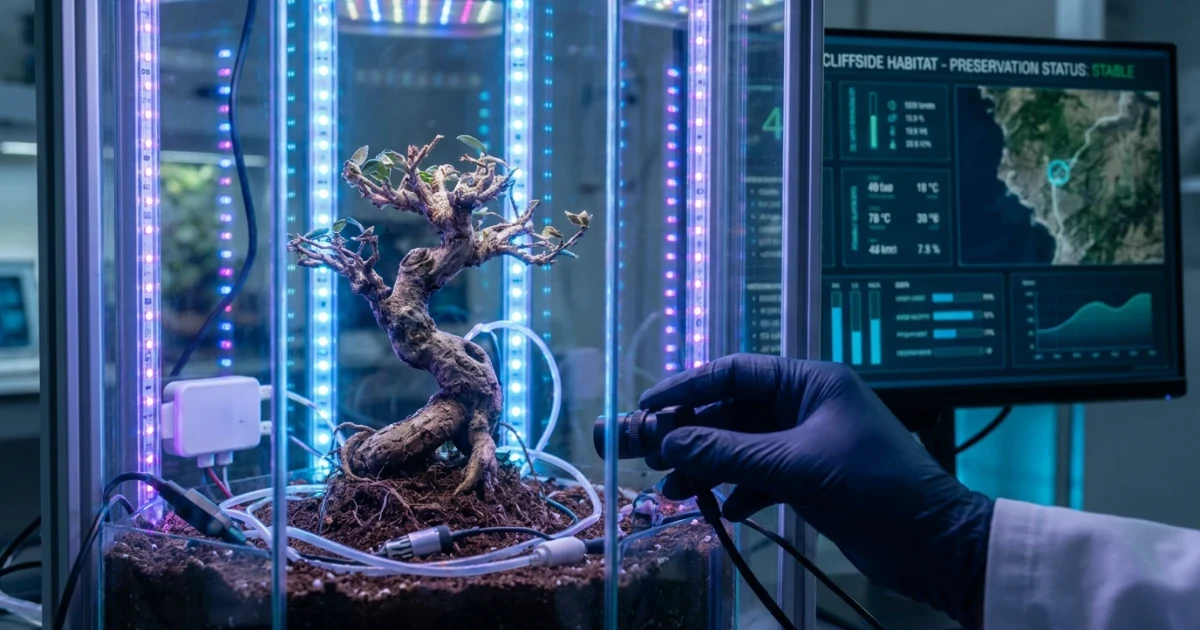
A critically endangered tree species once clinging to survival on a remote cliffside has found new hope thanks to conservation efforts at botanic gardens, according to reporting by Phys.org. The last-known specimen, isolated and facing extinction, is part of a growing movement to rescue rare and threatened trees worldwide.
Rescuing a Unique Tree from the Brink
The tree, described as the last of its kind, was discovered in a precarious location on a cliff face. Its rarity underscores the urgent need for action as the species faces threats including habitat loss, climate change, and limited genetic diversity. Phys.org detailed how botanists, after identifying the tree's critical status, coordinated a delicate extraction and transport operation to ensure its survival.
- The specimen represented the entire surviving population of its species.
- Its natural habitat was deemed unsafe due to environmental pressures.
- Special techniques were employed to minimize stress during relocation.
Botanic Gardens as Conservation Hubs
Botanic gardens worldwide are increasingly recognized for their pivotal role in ex situ conservation. By cultivating rare species outside their native environments, these institutions provide a safety net for trees facing extinction in the wild. The rescued cliffside tree is now being cared for in controlled conditions, with horticulturists monitoring its health and propagating cuttings to diversify the population.
This approach aligns with global efforts documented in the Global Tree Assessment, which tracks threatened tree species and highlights the importance of living collections in botanical gardens.
Global Context: Tree Species Under Threat
The plight of the cliffside tree is emblematic of broader challenges facing trees worldwide. The IUCN Red List catalogs thousands of tree species at risk, with many reduced to only a handful of individuals. According to the State of the World's Trees report by Kew Gardens, over 17,500 tree species are threatened, with habitat destruction and climate change as leading drivers.
- More than 30% of global tree species are threatened with extinction (BGCI Red List).
- Botanic gardens hold over 500,000 living specimens, offering critical backup populations (BGCI PlantSearch Database).
- Conservation actions include seed banking, tissue culture, and reintroduction programs.
Hope for Recovery and Wider Impact
Experts believe that the successful rescue and propagation of the cliffside tree could serve as a blueprint for saving other ultra-rare species. By leveraging the expertise and resources of botanic gardens, conservationists aim to prevent extinctions and restore lost biodiversity. The story also highlights the growing importance of official records and recovery plans for endangered species, ensuring coordinated efforts across institutions.
Although the rescued tree's future remains uncertain, its transfer to the botanic garden marks a significant step forward. If propagation efforts succeed, the species may one day be reintroduced to its native habitat, reversing its fate from extinction risk to recovery.
Looking Ahead
This case underscores the need for ongoing investment in conservation science, global collaboration, and public awareness. As more species face similar threats, the role of botanic gardens and conservation networks will likely expand, offering hope not just for individual trees but for entire ecosystems.