Health
Rare Powassan virus cases rise as tick season intensifies in the U.S.
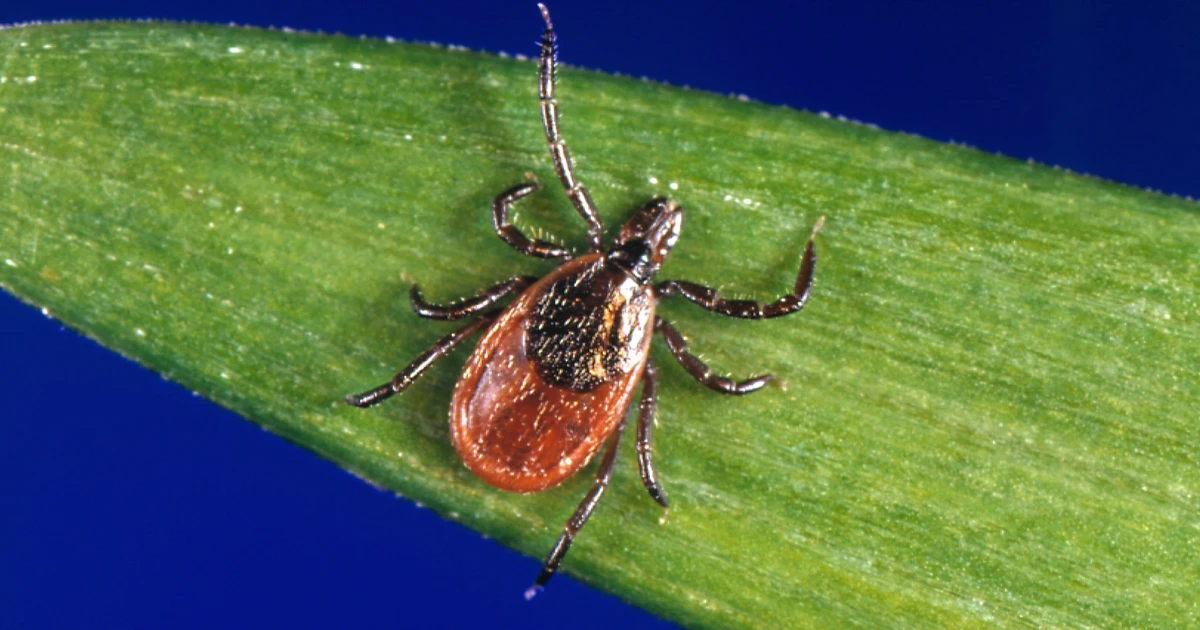
Maine confirmed its first Powassan virus case of 2026 on June 23 in a Penobscot County resident who was infected in the state, a reminder that the rare tick-borne infection is circulating as tick season peaks. The Centers for Disease Control and Prevention says Powassan disease is uncommon, but reported cases have increased in recent years, and most U.S. infections occur in the Northeast and Great Lakes from late spring through mid-fall, when ticks are most active. Unlike more familiar tick-borne illnesses such as Lyme, Powassan can be transmitted in as little as 15 minutes after a tick attaches, and there is no vaccine or medicine to prevent or treat it.
The numbers help explain why health officials are watching more closely. CDC historic data show Powassan neuroinvasive disease cases averaged seven a year from 2006 through 2015, with reports in Maine, Massachusetts, Minnesota, New Hampshire, New Jersey, New York, Pennsylvania, Virginia and Wisconsin. A CDC-linked surveillance summary found U.S. cases rose four-fold from 2014 to 2023 compared with 2004 to 2013. Wisconsin has become one of the states most visibly tracking the virus: the Wisconsin Department of Health Services said it identified its first case in 2003, counted 18 reported cases in 2025, and logged 85 probable and confirmed cases from 2003 through 2025.
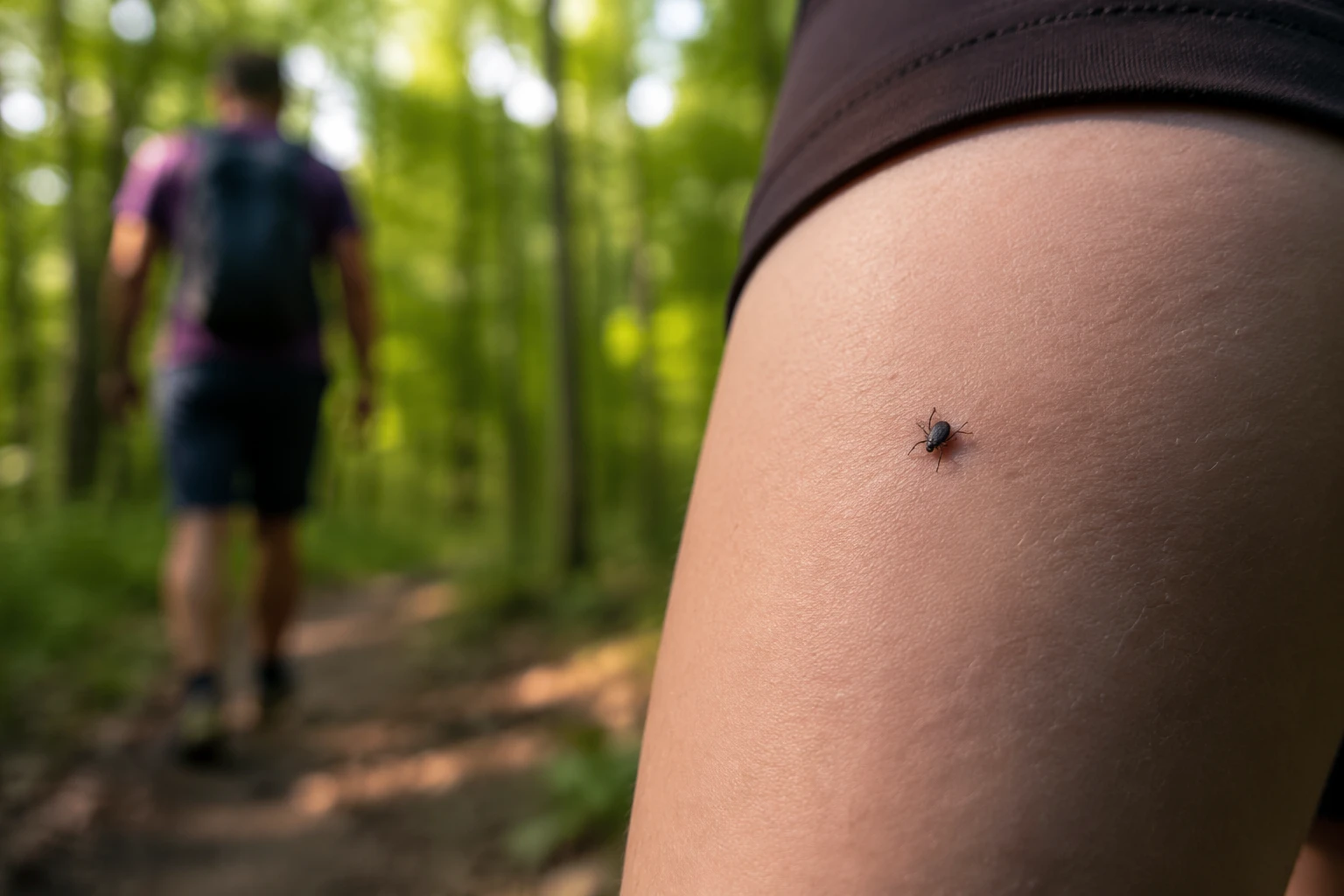
Powassan is hard to catch early because its first symptoms can look like many other illnesses. Fever, fatigue and muscle aches can appear before neurologic disease develops, and the incubation period can stretch up to five weeks. When the virus reaches the nervous system, it can trigger encephalitis, seizures, paralysis or death. That creates a diagnostic gap for clinicians and families who may not realize a tick bite mattered until the illness becomes serious, especially in places where Lyme disease is more familiar and Powassan is not widely recognized.
Public health surveillance is only part of the answer. Powassan is a nationally notifiable condition, which means states report it to the CDC through national systems, but the agency says its surveillance data are provisional and underreporting remains a limitation, especially for mild cases. The CDC says risk is highest for people who live, work or recreate outdoors in areas where virus activity has been identified, and prevention still depends on avoiding tick bites rather than vaccination or treatment. As cases surface from Maine to Wisconsin, the bigger challenge is not just counting infections, but finding them before they turn neurological.
Sources
- [1]news.google.com
- [2]cdc.gov
- [3]pressherald.com
- [4]bangordailynews.com
- [5]mainepublic.org
- [6]dhs.wisconsin.gov