Science
Rare Toxic Airborne Chemical Detected in US Sparks Health Worries
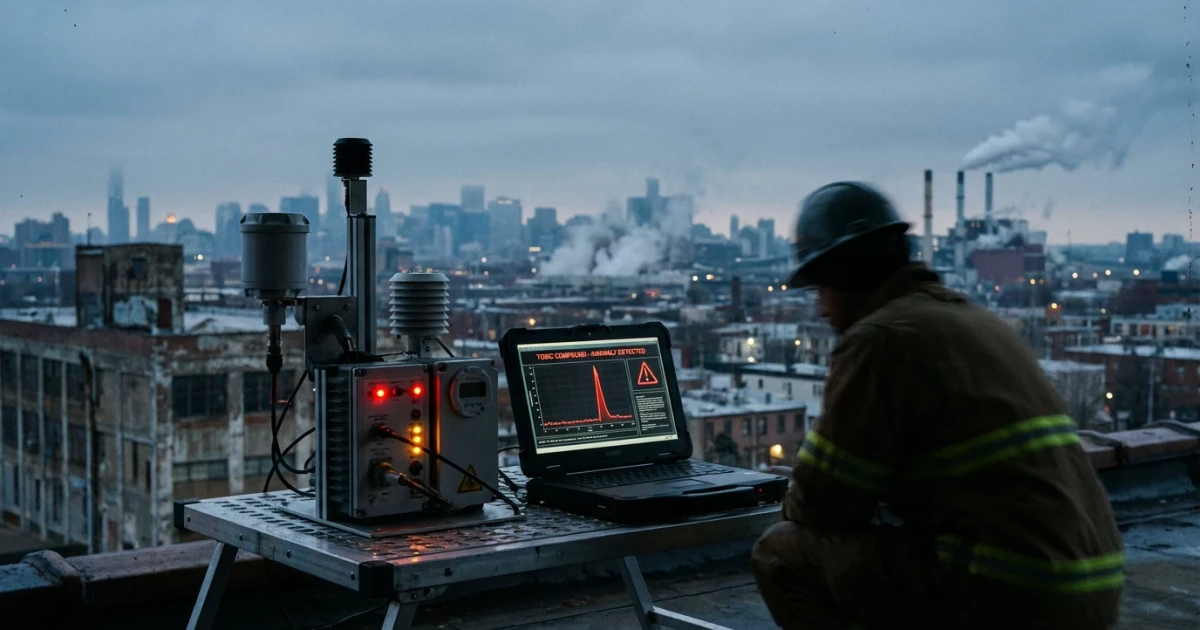
A toxic airborne chemical has been detected in the United States for the first time, prompting concerns among health officials and environmental experts over potential risks to public safety and the environment. The substance, which has not previously been recorded in US air quality monitoring databases, has triggered renewed scrutiny of chemical regulation and air monitoring efforts nationwide.
Discovery Raises Public Health Concerns
The detection, first reported by The Mirror US, highlights how emerging industrial pollutants can present unforeseen challenges for air quality and health protection. While details about the chemical’s identity and location of detection remain limited in initial reports, the mere presence of a new airborne toxicant has galvanized calls for further investigation by federal and state agencies. Such substances are typically tracked via the Toxics Release Inventory (TRI), which maintains a record of chemical releases and trends over time.
According to the EPA's official list of Hazardous Air Pollutants (HAPs), there are currently 188 substances recognized for their potential to cause cancer or other serious health effects. Any addition or newly detected chemical can have significant ramifications for regulatory oversight and public health advisories.
Understanding Airborne Chemical Risks
- Occupational and environmental exposure to airborne chemicals has been linked to respiratory illnesses, neurological effects, and increased risk of chronic disease.
- Health outcomes depend on the chemical’s toxicity, exposure concentration, and duration of contact.
- Populations most at risk include children, the elderly, and those with preexisting respiratory conditions.
Experts urge that when a new toxicant is found, agencies should quickly assess its toxicity profiles, exposure pathways, and possible sources to inform public health responses.
Monitoring and Regulatory Implications
Historically, US air quality regulations have focused on substances with broad scientific consensus on health risks, as reflected in national air quality trends. The emergence of a new chemical in the air highlights the need for adaptive monitoring systems and ongoing research investment. According to a recent review in the National Institutes of Health database, evolving industrial processes and global supply chains can introduce new airborne hazards not previously regulated or monitored.
Next Steps and Recommendations
- Immediate identification and public disclosure of the chemical in question
- Assessment of health risks and recommended exposure limits
- Expansion of air quality monitoring stations in affected regions
- Collaboration between the EPA, CDC, and state agencies to inform and protect the public
What This Means for Communities
Communities near industrial facilities or heavily trafficked urban corridors are often at higher risk for airborne toxic exposures. With the detection of this novel chemical, residents and advocates are likely to press for greater transparency and timely updates from local and national authorities. Educational resources, such as the ATSDR Toxic Substances Portal, can help the public better understand potential health effects and appropriate precautions.
Looking Ahead
While the full implications of this new airborne chemical are not yet clear, its detection in the United States serves as a reminder of the evolving landscape of environmental health risks. Ongoing scientific research, transparent communication, and robust regulatory oversight will be essential to safeguard public health and ensure that emerging hazards are addressed swiftly and effectively.