Lifestyle
Rashel Brings Authentic Moroccan Flavors to Tel Aviv
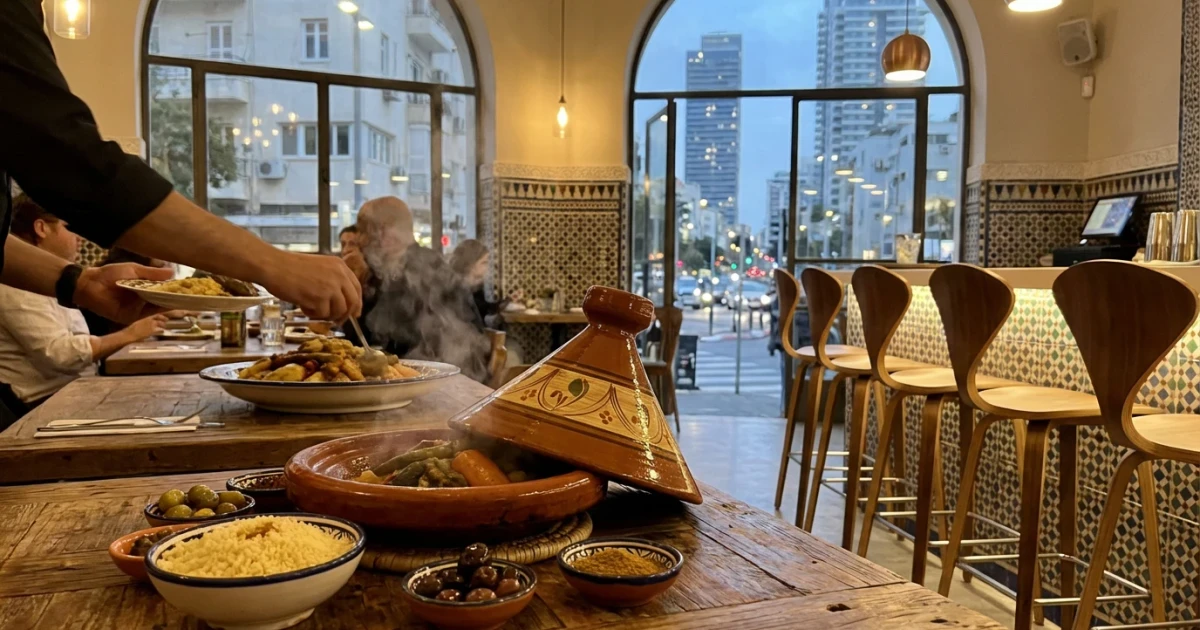
Rashel Bar & Restaurant has quickly become a standout destination for those seeking authentic Moroccan cuisine in the heart of Tel Aviv. As the city’s culinary landscape continues to diversify, Rashel offers diners a taste of Morocco’s rich culinary traditions, underscoring the enduring influence of Moroccan Jews in Israeli society.
Moroccan Cuisine’s Place in Israeli Culture
Moroccan food holds a special place in Israel’s food service industry, which boasts a wide array of international flavors. Moroccan Jews, who began immigrating to Israel in large numbers in the 1950s and 1960s, brought their culinary heritage with them. Today, the Moroccan community forms one of the largest Jewish ethnic groups in Israel, with hundreds of thousands of Israelis tracing their roots to Morocco.
- Moroccan Jews have played a significant role in shaping Israeli cuisine, music, and culture.
- Signature dishes like couscous, harira soup, pastilla, and fish chraime have become mainstream in Israeli households and restaurants.
- The Knesset Lexicon notes the continuing cultural contributions of Moroccan Israelis.
What Sets Rashel Apart
Rashel Bar & Restaurant distinguishes itself by its commitment to authentic preparation and presentation. While many Israeli restaurants offer Moroccan-inspired dishes, Rashel’s menu focuses on the traditional techniques, spices, and recipes passed down through generations.
- Key dishes are prepared with classic ingredients such as preserved lemons, saffron, cumin, and a variety of fresh herbs.
- The restaurant’s ambiance is designed to evoke a Moroccan atmosphere, with vibrant décor and hospitality reflecting the culture’s warmth.
- Rashel’s chefs reportedly use family recipes and source ingredients that closely match those found in Moroccan markets.
Preservation and Adaptation in Modern Tel Aviv
According to the JDC’s research on Moroccan Jewish cuisine, restaurants like Rashel play a crucial role in both preserving traditional Moroccan dishes and adapting them to the tastes of a modern, urban clientele. This process reflects broader trends across Israel, where Moroccan food continues to evolve while staying rooted in its heritage.
- Interviews with Moroccan Israeli families and chefs highlight a strong desire to maintain culinary traditions.
- Restaurants contribute to the education of younger generations about their cultural heritage through food.
- The popularity of Moroccan food among non-Moroccan Israelis demonstrates its integration into the national cuisine.
Moroccan Cuisine’s Lasting Influence
The enduring popularity of Moroccan cuisine in Israel is evident in the widespread presence of Moroccan dishes at family gatherings, holiday celebrations, and public events. As highlighted by the Jewish Virtual Library, Moroccan Jews have become an integral part of Israeli society, with their food serving as a bridge between past and present.
Tel Aviv’s dynamic dining scene continues to embrace diversity, and Rashel Bar & Restaurant’s dedication to authenticity ensures that the legacy of Moroccan cuisine remains vibrant. As more Israelis—both with and without Moroccan heritage—explore these flavors, restaurants like Rashel help keep culinary traditions alive while inviting new interpretations and audiences.
For those eager to experience the tastes of Morocco in Israel’s cultural capital, Rashel stands as a delicious reminder of the country’s rich and evolving identity.