Health
Raw Milk Warning Intensifies After New Mexico Baby's Listeria Death
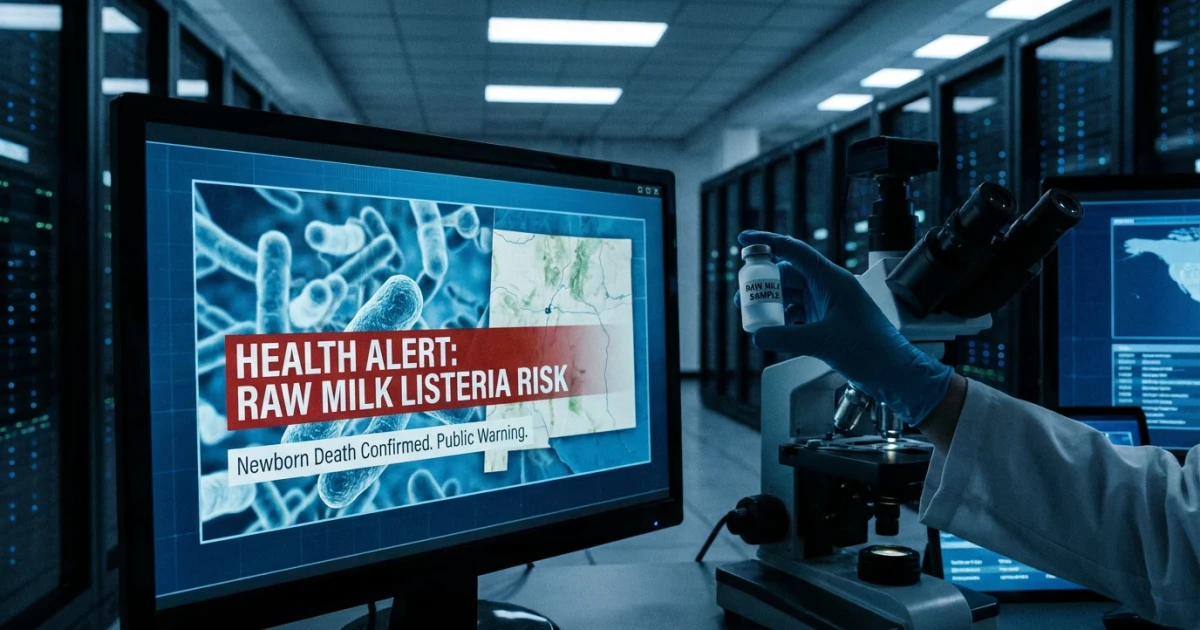
Health officials are urging the public to avoid raw milk consumption following the tragic death of a newborn in New Mexico, believed to be linked to the mother’s consumption of unpasteurized milk during pregnancy. This incident has reignited the debate over the safety of raw milk and the risks of foodborne illnesses, particularly listeria, for vulnerable populations.
What Happened in New Mexico?
According to health authorities, the New Mexico newborn’s death was likely caused by listeriosis, a severe infection resulting from the listeria monocytogenes bacteria. Investigations suggest the mother consumed raw, unpasteurized milk while pregnant, which is considered a significant risk factor for listeria exposure. The case has drawn widespread attention to the dangers posed by raw dairy products, especially for pregnant women, infants, the elderly, and immunocompromised individuals.
Understanding Listeria and Raw Milk Risks
- Listeria monocytogenes is a bacteria found in soil, water, and some animals. It can contaminate raw foods, including dairy products that have not been pasteurized.
- Consuming contaminated products can cause listeriosis, leading to symptoms such as fever, muscle aches, nausea, and, in severe cases, miscarriage or newborn death.
- Pasteurization—heating milk to a specific temperature—kills harmful bacteria like listeria, making milk safer for general consumption.
Public Health Response and Expert Warnings
Following the baby's death, experts have reiterated longstanding guidance against drinking raw milk. Health organizations emphasize that, despite claims about raw milk’s nutritional benefits, the risks far outweigh any potential advantages. The Centers for Disease Control and Prevention (CDC) and the Food and Drug Administration (FDA) both recommend that pregnant women, young children, and those with weakened immune systems avoid raw dairy products completely.
Why Raw Milk Remains Controversial
While some advocates argue that raw milk offers superior taste and nutrients, scientific consensus maintains that pasteurization is crucial for public safety. Outbreaks of listeria, salmonella, E. coli, and other pathogens have been traced to raw milk in the past, often impacting the most vulnerable. The New Mexico case serves as a somber reminder of these dangers.
Key Takeaways for Consumers
- Pregnant women should avoid raw milk to reduce the risk of listeria infection, which can cause miscarriage, stillbirth, or newborn death.
- Pasteurized milk is widely available and offers the same nutritional benefits without the bacterial risks.
- Public health authorities continue to monitor and investigate foodborne illness outbreaks to protect consumers nationwide.
Looking Forward: Safety First
As the investigation in New Mexico continues, health officials hope the renewed warnings will help prevent similar tragedies. Consumers are encouraged to check product labels, ask about dairy processing methods, and consult with healthcare providers regarding safe dietary choices during pregnancy and beyond.
For more information about listeria and raw milk safety, visit the CDC's official listeria page and the FDA's raw milk safety resources.
Sources
- [1]BBC