Health
Rebels use Ebola outbreak to showcase parallel rule in eastern Congo
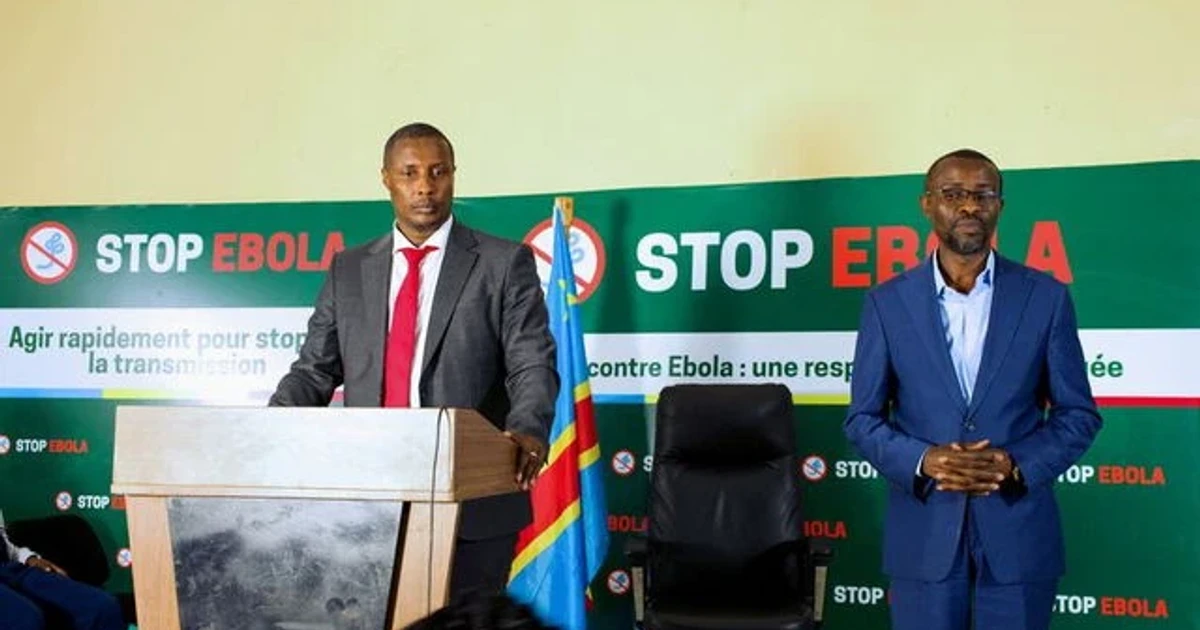
Kinshasa declared its 17th Ebola outbreak on May 15 after the Institut national de recherche biomédicale in the capital confirmed Bundibugyo virus disease in eight of 13 blood samples taken from Rwampara Health Zone in Ituri Province. AFC/M23 has used the outbreak in territory it controls to show it can manage a public-health crisis in eastern Congo without Kinshasa, setting up a parallel response that reaches from surveillance to aid access. The rebel-run system, backed in part by neighboring Rwanda, has become a political display of state-like control in areas seized during last year’s lightning advance.
The World Health Organization confirmed the outbreak in the Democratic Republic of the Congo and Uganda in May. It involves Bundibugyo virus disease, a strain with no licensed vaccine or specific treatment.
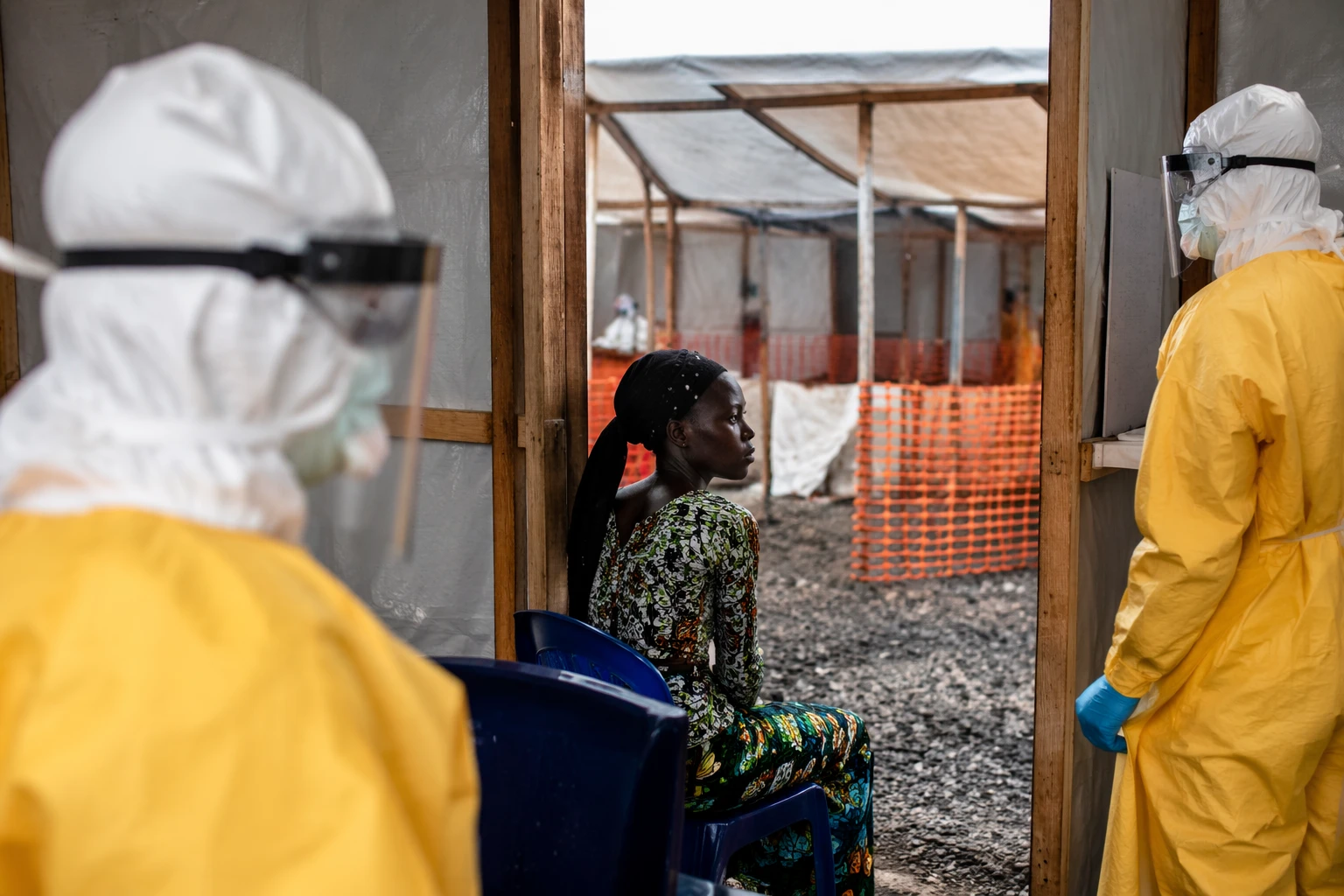
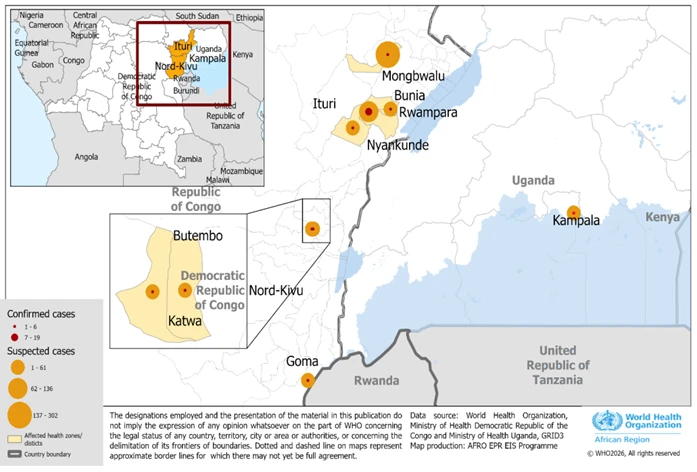
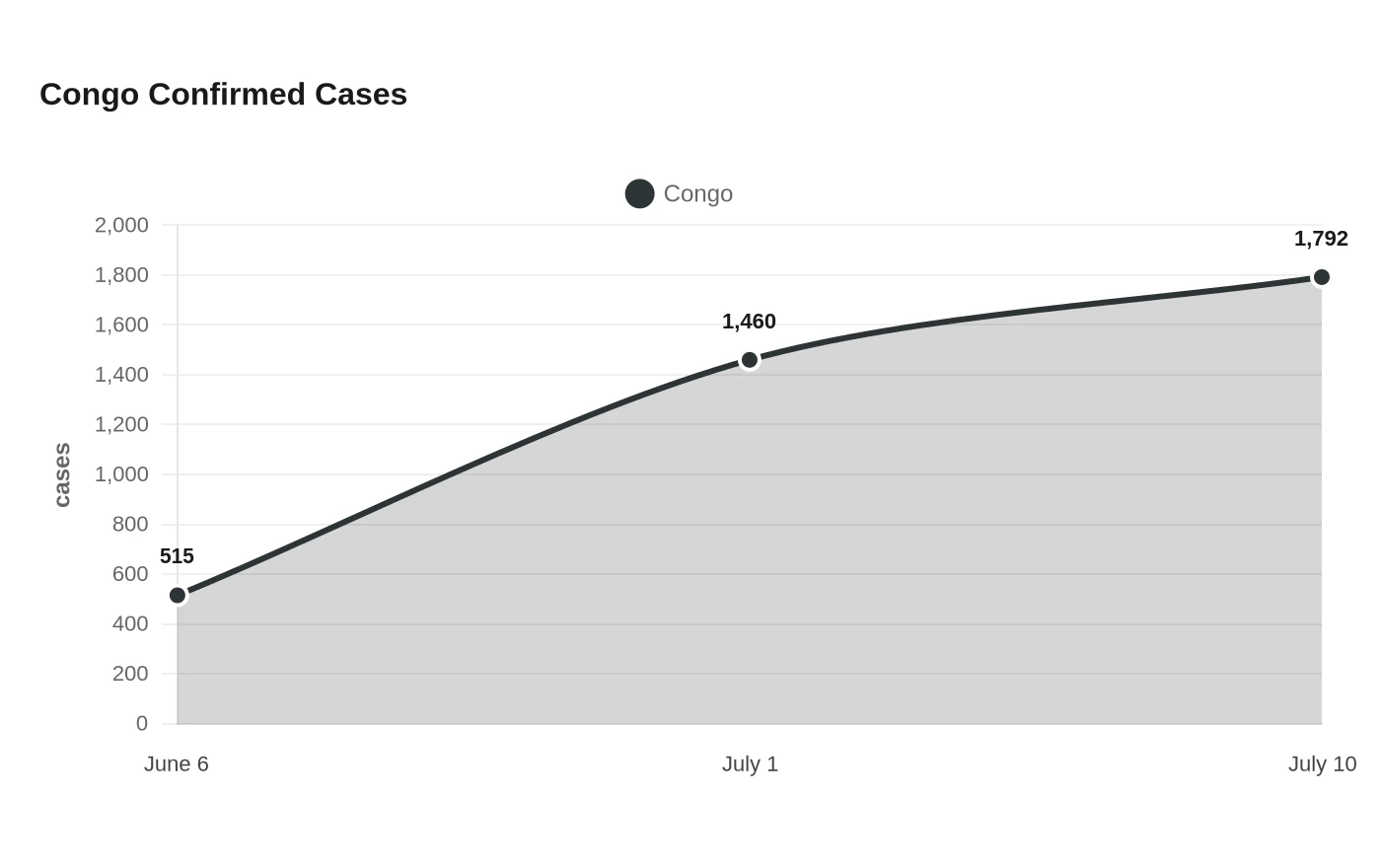
The numbers have climbed quickly. By June 6, WHO put Congo at 515 confirmed cases and 91 deaths, while Uganda had 19 confirmed cases, including two deaths and one probable death. By July 1, WHO put Congo at 1,460 confirmed cases and 452 deaths. By July 10, the European Centre for Disease Prevention and Control put Congo at 1,792 confirmed cases and 625 related deaths, with 764 patients hospitalized in isolation.

The U.S. Centers for Disease Control and Prevention put the outbreak above 1,000 confirmed cases within 40 days of response activation, far faster than Congo’s 2018 North Kivu outbreak, which took about 235 days to pass that mark. U.S. agencies implemented public-health entry screening and restrictions on May 18, while Ugandan cases have remained in Kampala with no community spread reported there.
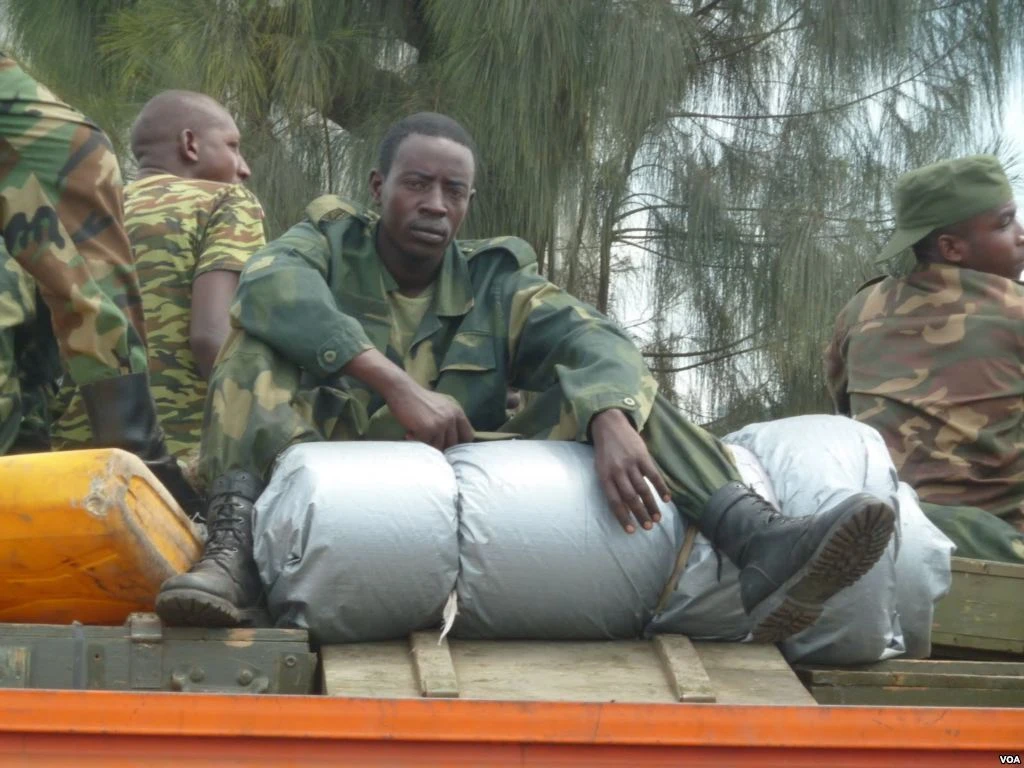
In eastern Congo, the epidemic is unfolding across a landscape already shaped by armed conflict, high population movement, remote terrain and weak infrastructure. The virus has spread beyond its first epicenter into additional health zones in Ituri and North Kivu, with one June report putting the tally at 34 affected health zones. Congolese virologist Jean-Jacques Muyembe said the response should be rooted in local health structures and avoid “asymmetrical” suffering between state-held and rebel-held areas.
Sources
- [1]usnews.com
- [2]who.int
- [3]cdc.gov
- [4]ecdc.europa.eu
- [5]thenewhumanitarian.org
- [6]reuters.com