Lifestyle
Recipe Hacker Reveals How He Cracks Restaurant Favorites
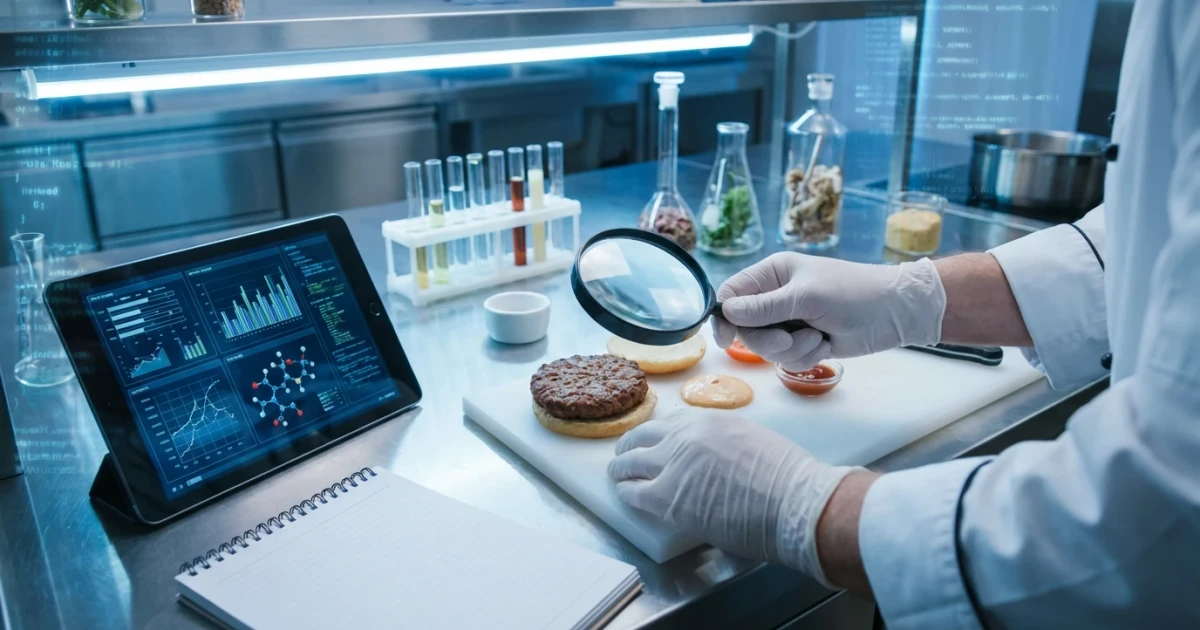
America’s fascination with restaurant recipes has found a new face in the culinary world—a self-styled recipe hacker, known for unlocking the secrets behind some of the country’s most iconic dishes. Described as a cross between Sherlock Holmes and Julia Child, his approach is equal parts detective work and gastronomic expertise, captivating home cooks eager to recreate restaurant favorites in their own kitchens.
The Art and Science of Recipe Hacking
At the heart of this culinary trend is the quest to reverse engineer restaurant recipes. This method involves careful observation, repeated tasting, and a deep understanding of ingredients and cooking techniques. According to culinary science resources, the process often starts with a thorough analysis of a dish’s flavors, textures, and visual presentation, followed by systematic testing in the kitchen to replicate the results.
Recipe hackers often use a combination of palate training, ingredient research, and even scientific analysis for precise duplication. Peer-reviewed studies on reverse engineering food confirm that this process can involve everything from chemical assays to statistical taste comparisons, underscoring the technical prowess required for successful imitation.
Unveiling Culinary Mysteries
The recipe hacker profiled by the Hartford Courant approaches each dish with the investigative rigor of a detective. His process can include:
- Identifying key flavor notes through repeated tastings
- Deconstructing dishes visually and by texture
- Researching traditional and regional culinary practices
- Consulting historical recipe databases such as The Food Timeline
Such a meticulous approach allows for the recreation of everything from fast-food classics to high-end restaurant specialties. The goal is not just to copy, but to understand the underlying techniques that make these dishes beloved by so many.
Popularity and Impact on Home Cooking
The rise of copycat recipes has transformed the way home cooks interact with restaurant food. According to industry statistics, demand for restaurant-style recipes has surged in recent years, with thousands of user-submitted and tested versions circulating online. Popular platforms let users compare ingredient lists and preparation methods, helping refine recipes for authenticity and taste.
Statista’s restaurant industry data underscores the economic impact of this trend, as more consumers seek to replicate their favorite menu items at home, often leading to increased interest in specialty ingredients and kitchen equipment.
Legal and Ethical Considerations
Reverse engineering restaurant recipes exists in a legal gray area. While recipes themselves are generally not protected under copyright, menu item names, logos, and certain preparation methods may be trademarked. The USPTO trademark database lists numerous filings for signature dishes and branded menu items. Recipe hackers must be mindful of these distinctions to avoid infringing on intellectual property rights.
Why the Fascination Endures
For many, the allure of recreating a favorite restaurant dish is about more than taste—it’s a celebration of culinary curiosity and creativity. The combination of scientific method and culinary artistry exemplified by today’s recipe hackers offers both entertainment and empowerment for home cooks.
The movement continues to grow, fueled by online communities, published cookbooks, and shows dedicated to demystifying the secrets behind beloved dishes. As the Hartford Courant’s feature suggests, it’s a blend of skill, persistence, and a dash of magic that keeps the world of recipe hacking vibrant and ever-evolving.
With the lines between professional kitchens and home experimentation continuing to blur, the next great restaurant favorite could be just a few detective steps away from your own dinner table.