US News
Record-breaking heat grips Midwest and East before July 4 weekend
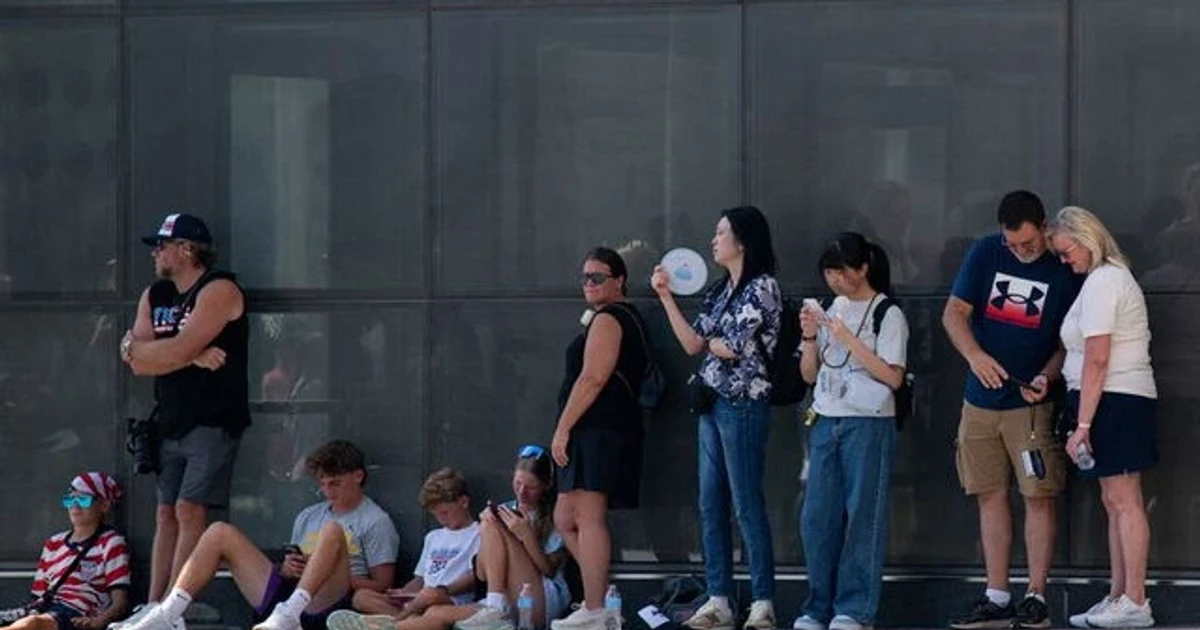
Tens of millions across the Midwest and East faced dangerous heat as temperatures pushed real-feel conditions into the 100 to 115 degree range ahead of the July 4 holiday weekend. The National Weather Service expects the heat to continue across the central and eastern United States through the end of the week, and the Weather Prediction Center expects the heat wave to last at least into Saturday before easing early next week.
The health risk was highest for older adults, outdoor workers, people without reliable cooling, and anyone with heart or lung disease. People who work outdoors are more likely to become dehydrated and suffer heat-related illness during hot weather, while strenuous labor, limited shade, limited water, and urban heat islands can make conditions more dangerous. In Hill City, Kansas, mail carrier Sabrina Hooper, who had been on the job for only a week, called the weather "completely debilitating" as she walked up to 10 miles a day delivering parcels and got relief from lawn sprinklers.
Cities moved quickly to blunt the danger. New York City activated a Heat Emergency Plan on June 29 and expanded it on July 1, opening hundreds of cooling centers, extending outdoor pool hours, dispatching COOL vans for wellness checks and transport, and directing more than 2,200 LinkNYC kiosks to show nearby cooling-center directions within a 10-minute walk. Heat indices could peak around 109 degrees and feel as hot as 112 degrees. In Washington, D.C., Independence Day celebrations on the National Mall were set to mark the 250th anniversary of the Declaration of Independence, with parking extremely limited and transit and rideshare use urged.
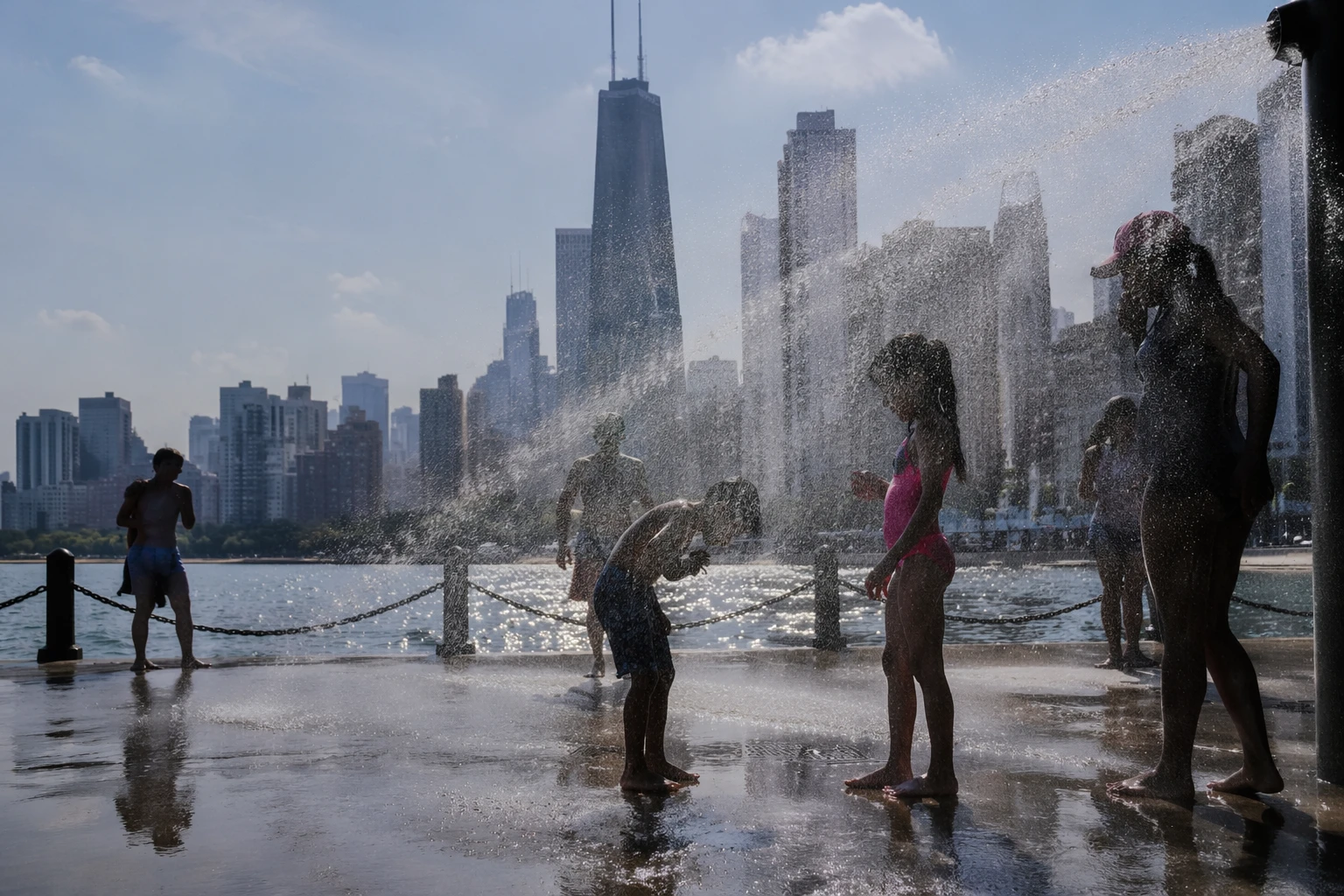
The grid was under strain as the heat drove demand. PJM projected price spikes and transmission congestion in its service territory, and spot wholesale electricity prices in its Virginia zone rose above $600 per megawatt hour. That same zone contains the world's largest concentration of data centers. The North American Electric Reliability Corporation's 2026 Summer Reliability Assessment found that the grid has improved thanks to record resource additions, but risks remain in some regions under extreme operating conditions.
NOAA counted 403 confirmed billion-dollar weather and climate disasters from 1980 through 2024, and 2024 was the warmest year on record for the contiguous United States. In New York, Central Park could see its first official 100-degree day since 2012.
Sources
- [1]usnews.com
- [2]weather.gov
- [3]wpc.ncep.noaa.gov
- [4]cdc.gov
- [5]nyc.gov
- [6]mayor.dc.gov
- [7]nerc.com
- [8]ncei.noaa.gov
- [9]nytimes.com
- [10]upi.com
- [11]usatoday.com
- [12]ny1.com