Business
Record Gas Price Spike Drives Surge in U.S. Inflation
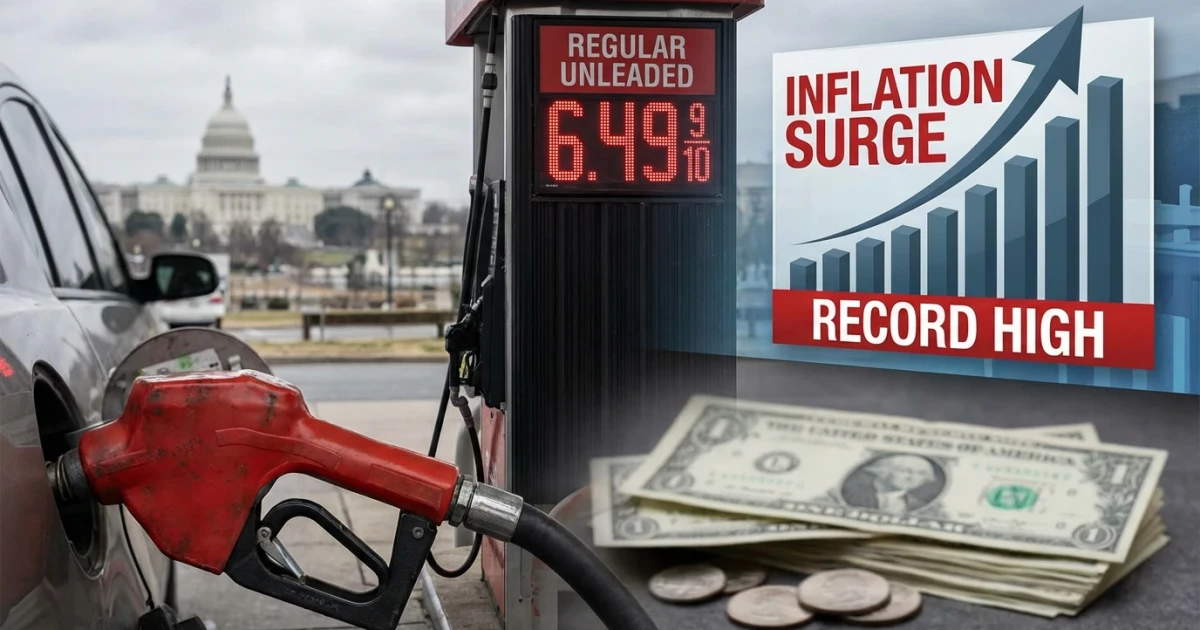
U.S. inflation soared last month, tripling its previous pace, as a record-breaking surge in gasoline prices sent shockwaves through consumer spending and economic forecasts. The dramatic spike in energy costs has intensified worries about the broader cost of living, with analysts and officials closely watching for signs of long-term impact.
Gasoline Prices Hit New Records
According to the U.S. Energy Information Administration's weekly data, regular gasoline prices jumped to unprecedented levels in March, outpacing previous historical highs. This sharp increase was the primary driver behind last month’s inflation spike, as reported by the Honolulu Star-Advertiser and confirmed by multiple economic analysts. The energy component of the Consumer Price Index, which includes gasoline, saw one of its largest monthly gains in decades. Readers can explore the latest interactive charts and historical trends for the energy component of the Consumer Price Index for further context.
- U.S. inflation rate tripled month-over-month, marking the steepest climb since the early 2000s.
- Gasoline prices rose by more than 20% in a single month, setting a new national average record.
- Energy costs overall contributed to the majority of the inflation increase, with transportation and delivery sectors also affected.
Broader Impact on Cost of Living
The Consumer Price Index (CPI) report from the U.S. Bureau of Labor Statistics highlighted that the surge in gasoline prices has had a ripple effect on the overall cost of living. Many everyday goods and services that rely on transportation or energy have become more expensive, further stretching household budgets.
Analysts cited by both the Star-Advertiser and national business outlets explained that when gasoline prices rise sharply, the effect is quickly felt across the economy. Higher fuel costs increase the price of shipping goods, which leads to more expensive groceries, consumer products, and even services that depend on vehicle transportation.
Why Are Gas Prices Rising?
Several factors contributed to the rapid increase in gas prices. According to recent energy market analysis by the U.S. Energy Information Administration, a combination of global supply constraints, higher seasonal demand, and refinery outages pushed wholesale and retail gas prices higher. Geopolitical tensions in oil-producing regions further tightened supply, while U.S. inventories hit multi-year lows.
Experts note that gasoline prices are particularly volatile and often respond quickly to changes in crude oil markets, supply chain disruptions, and regional demand spikes. For readers curious about how the government tracks these shifts, the Bureau of Labor Statistics provides a detailed explainer on how gasoline prices are measured for the CPI.
Looking Ahead: Will Inflation Persist?
With the latest inflation figures raising alarm, economists are divided on whether these price pressures will persist. Some expect prices to stabilize if gasoline supply improves and seasonal demand wanes, while others caution that continued energy volatility could keep inflation elevated for months.
Policymakers are watching closely, weighing options such as strategic petroleum reserve releases or temporary relief measures for consumers. The Federal Reserve has signaled it may adjust monetary policy if inflationary pressures do not subside, though officials have also noted the importance of distinguishing between temporary and structural inflation.
As Americans contend with higher costs at the pump and in the checkout line, the coming months will be critical in determining whether this inflation surge is a short-term spike or a sign of more persistent challenges for the U.S. economy.