Science
Record sargassum blankets Mexico’s Caribbean coast, threatening tourism
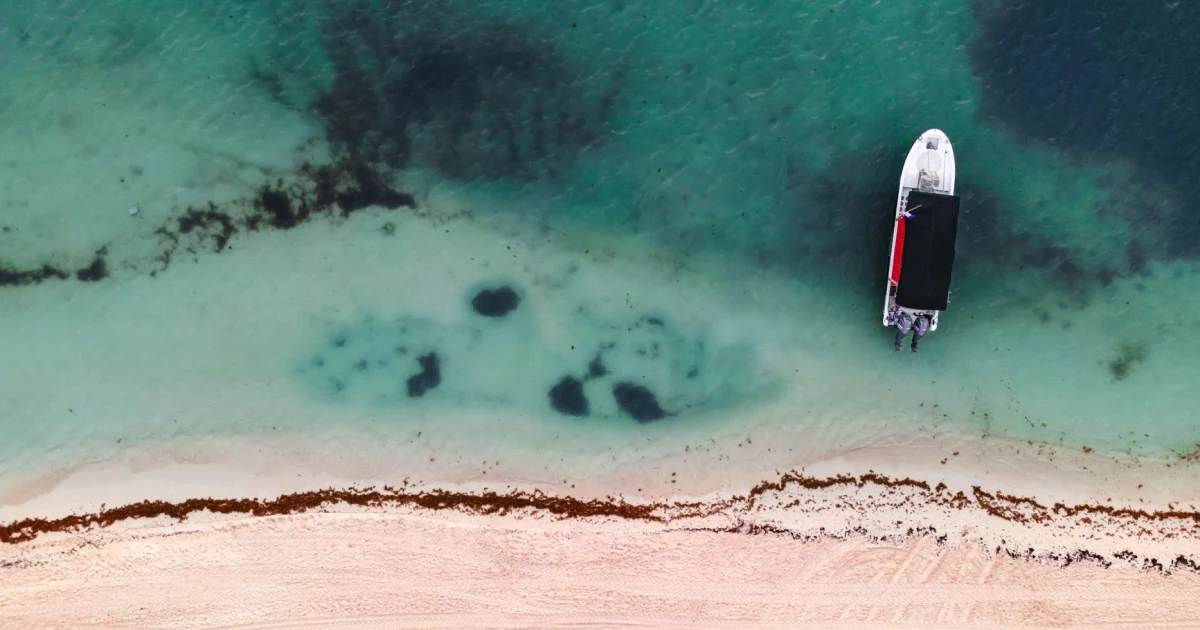
A record wave of brown, smelly sargassum washed up on Mexico’s Caribbean coast on July 28, forcing closures in top tourist destinations and disrupting beaches that anchor the country’s beach economy. The buildup hit Quintana Roo’s Riviera Maya corridor, including Cancun, Playa del Carmen and Tulum, where hotel operators, municipal crews and beach businesses faced heavier cleanup costs just as the annual sargassum season intensified.
The bloom is more than an eyesore. Large mats of seaweed can block beach access, drive away visitors, and leave decaying algae onshore that produces foul odors and stresses coastal ecosystems. For a region that depends on clear water and open shoreline, the economic damage can spread quickly from hotels and tour operators to marinas, restaurants and municipal budgets.
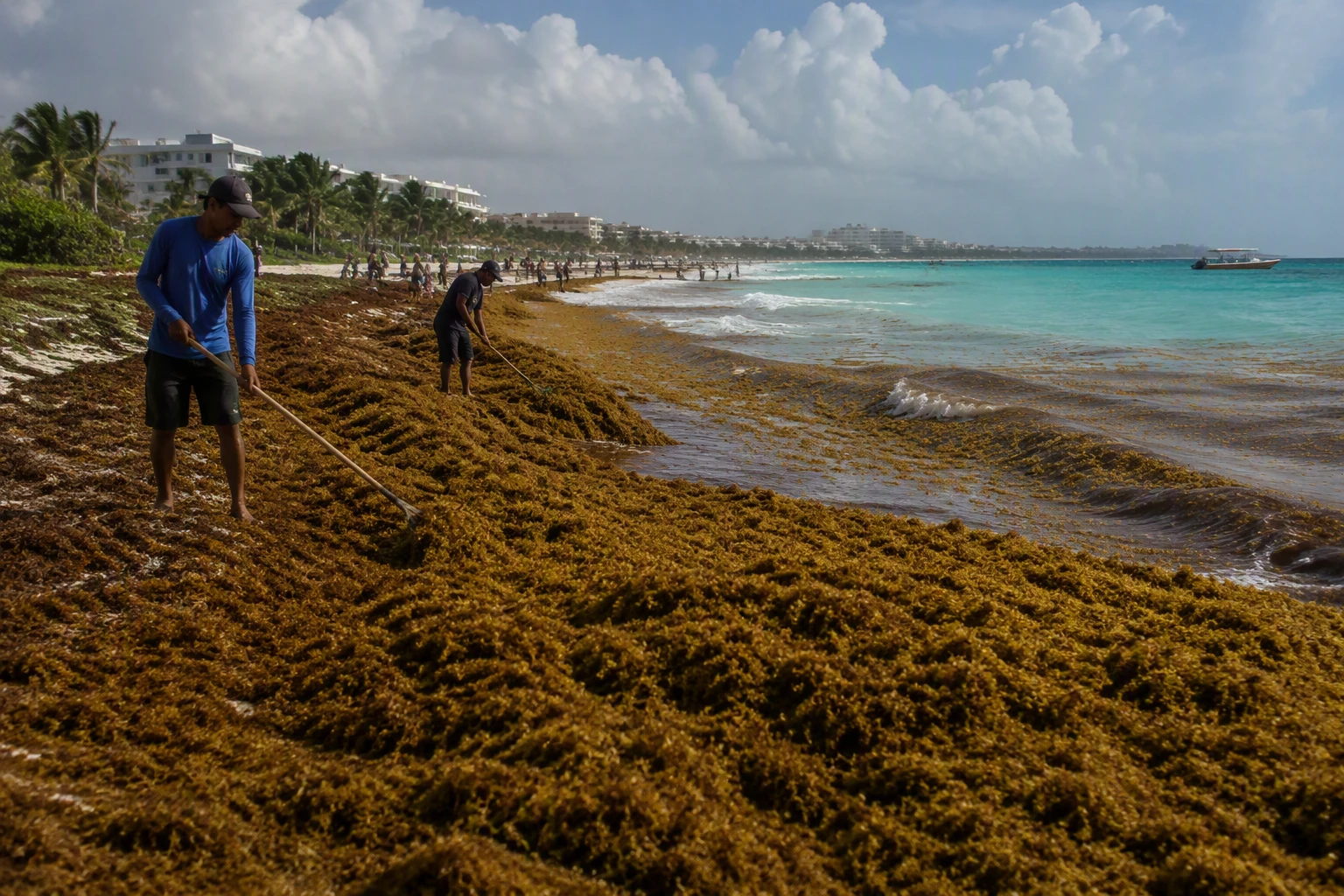
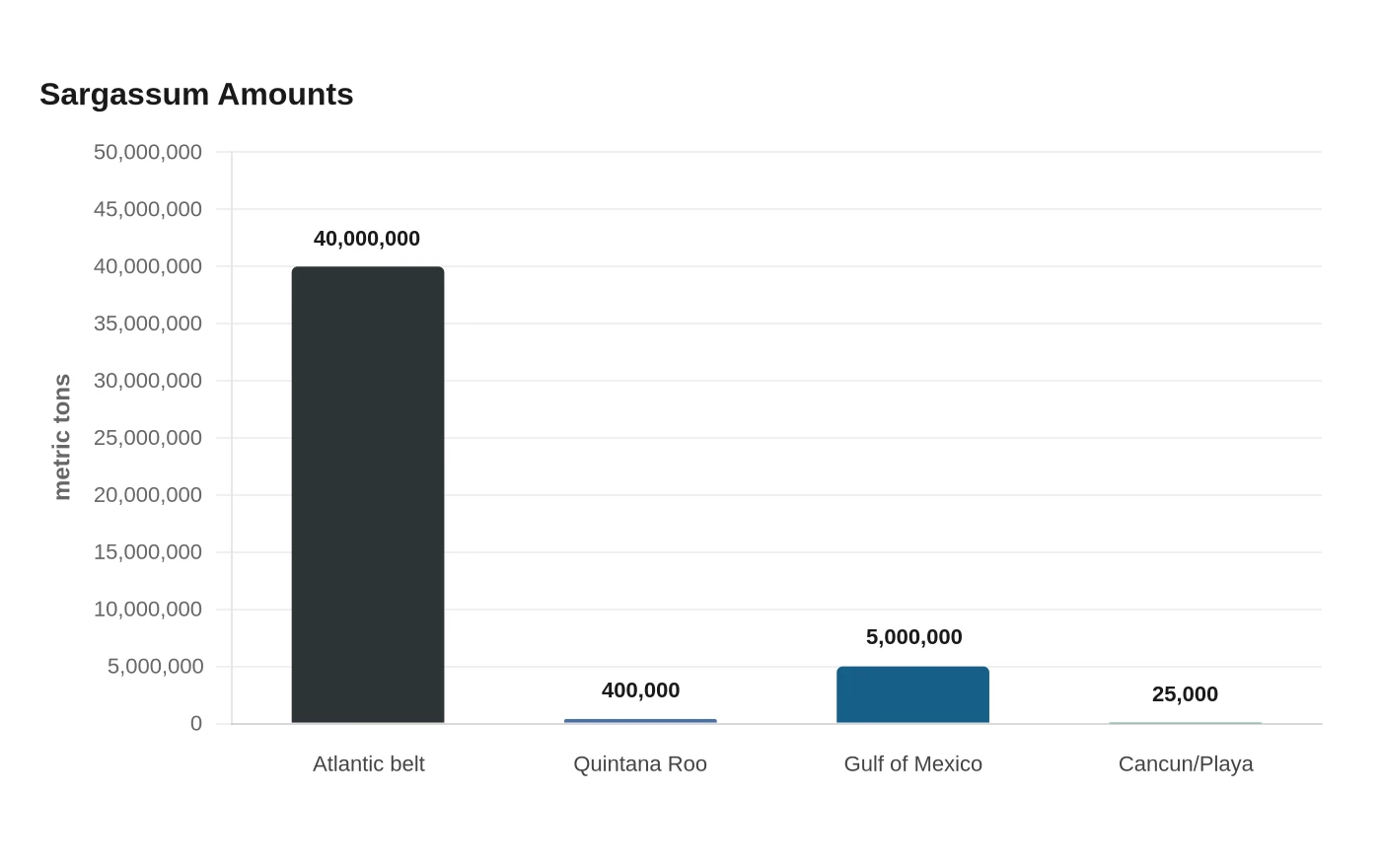
The scale has been building for years. In June 2025, record-breaking amounts of sargassum were already washing ashore across the Caribbean, from Cancun to Puerto Rico. Background monitoring cited in search results put the Atlantic Ocean’s sargassum belt at 40 million metric tons, with 400,000 tons expected to wash ashore in Quintana Roo. Other monitoring references said the Caribbean Sea showed record-high sargassum for June and that the Gulf of Mexico reached 5 million metric tons, nearly doubling the historical record set in 2025.
Quintana Roo has been at the center of the response before. In 2022, 25,000 tonnes of seaweed hit beaches in Cancun and Playa del Carmen, and delays in installing sargassum barriers showed how difficult it is to keep pace once the mats reach shore. Those barriers, cleanup crews and disposal efforts remain part of the region’s seasonal defense, but the latest influx has again strained the balance between containment and tourism operations.
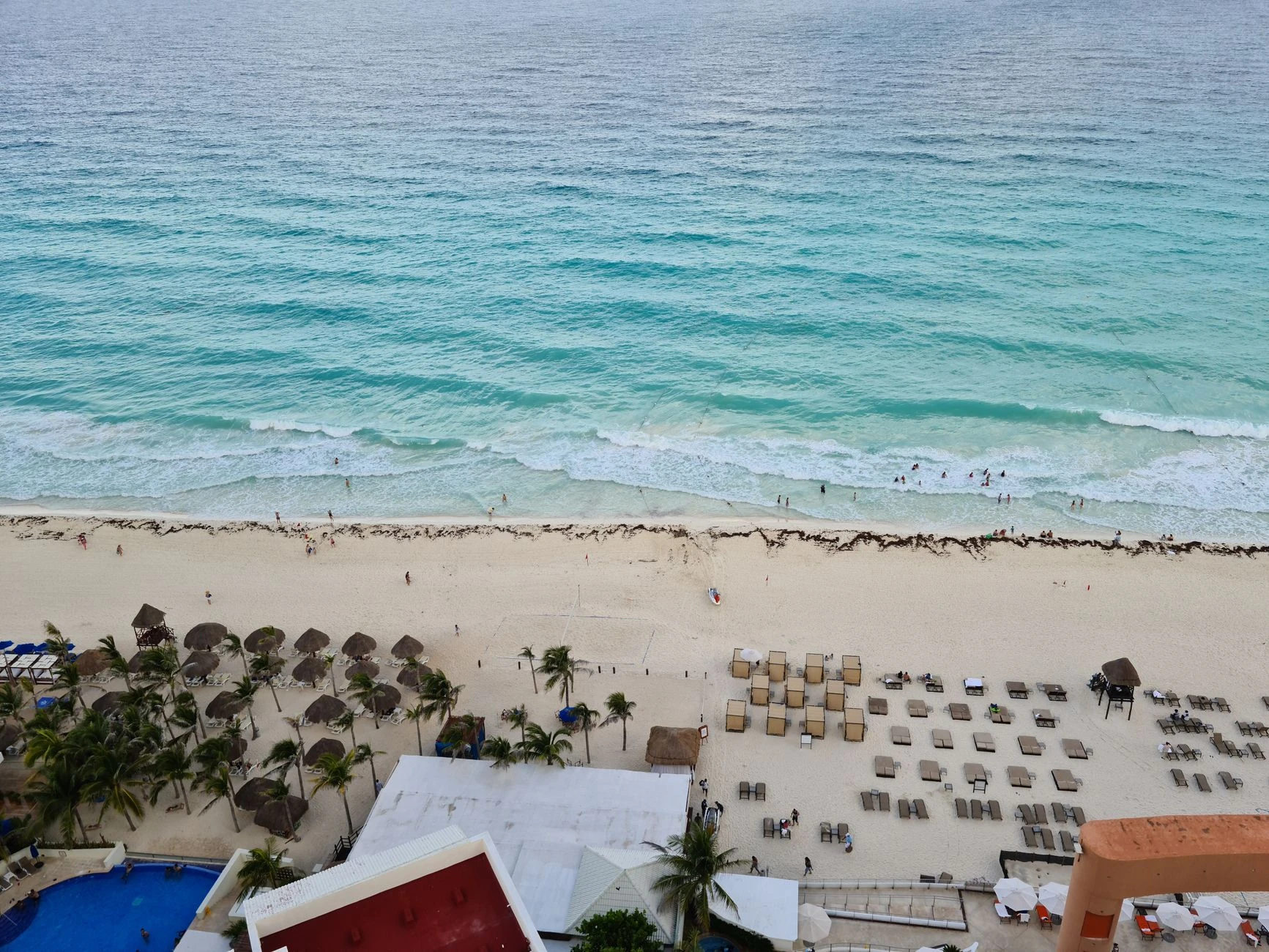
The problem is tied to broader ocean conditions. Growing sargassum accumulations have been linked to climate change, and satellite-based tracking from NASA- and NOAA-linked systems is now used to monitor blooms and forecast coastal inundation risk. That monitoring underscores how a regional beach problem has become a wider Caribbean issue, affecting destinations from Mexico to Puerto Rico and raising costs for countries whose economies lean heavily on tourism.
For U.S. travelers, the impact is immediate and practical: beach quality, water access and the look and smell of resort shorelines can change fast during heavy bloom periods. For the wider Caribbean economy, record sargassum has become a recurring test of how long coastal tourism can absorb repeated cleanup bills, lost bookings and environmental stress.
Sources
- [1]reuters.com
- [2]reutersconnect.com
- [3]caricoos.org
- [4]thecancunsun.com
- [5]optics.marine.usf.edu
- [6]nature.com
- [7]aoml.noaa.gov