Science
Recurring Leaks Challenge International Space Station Operations
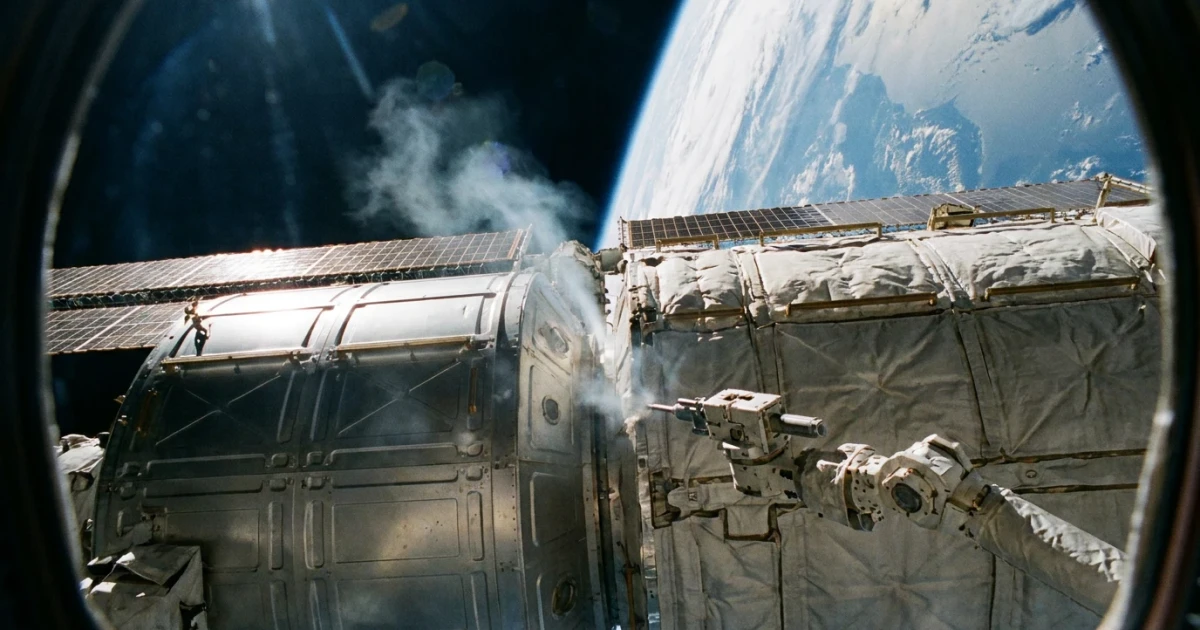
The International Space Station (ISS)—the world’s premier orbital laboratory—has faced recurring air leaks over the past several years, raising concerns about station integrity, ongoing research, and astronaut safety. Recent incidents have prompted NASA and international partners to refine repair strategies and enhance monitoring protocols.
Understanding the ISS Leak Problem
The ISS has experienced several small leaks in recent years, with NASA and its partners responding to each event through a combination of technical fixes and operational changes. According to reporting by Axios, the latest leak was detected in one of the Russian modules, prompting a swift response from mission control and the crew on board. While such leaks have not posed immediate danger, they highlight the persistent challenges of maintaining a complex, aging structure in the harsh environment of low Earth orbit.
- The ISS consists of 16 pressurized modules and a vast array of interconnected systems, making leak detection and isolation a technical challenge.
- Leaks typically occur due to micrometeoroid impacts, hardware fatigue, or seal degradation over time, as outlined in NASA’s Environmental Control and Life Support System analysis.
Recent Incidents and Crew Response
Axios reported that the most recent leak prompted NASA to direct ISS crew members to board their respective spacecraft as a precaution while ground teams assessed the situation and conducted repairs. This action is part of established safety protocols designed to ensure crew security during unexpected pressure drops or uncertain technical conditions.
In the past, similar leaks—such as the notable 2018 incident—have been traced to small punctures or cracks, often less than a few millimeters wide. NASA’s official leak updates detail the use of specialized sealants and patch kits, as well as ongoing monitoring for any signs of pressure loss. These procedures are informed by decades of operational experience and engineering analysis.
Technical Solutions and Preventative Measures
Leak detection on the ISS relies on a combination of automated sensors and manual inspections. According to NASA’s overview of leak detection and repair technologies, advanced techniques such as ultrasonic sensors, portable leak detectors, and atmospheric pressure readings are regularly employed to pinpoint leak sources. Once identified, leaks are typically repaired using epoxy-based sealants or mechanical patches, designed to maintain integrity until more permanent fixes can be implemented.
- All repairs are carefully documented and reviewed to inform future missions and hardware designs.
- The ISS partners regularly update protocols based on the outcomes of these incidents, as summarized in the ESA’s International Space Station FAQs.
Impact on Research and Station Operations
While air leaks have not yet caused mission-ending emergencies, they do have operational consequences. Axios notes that during leak assessments and repairs, some station activities may be temporarily paused or rescheduled. Access to affected modules can be restricted, and ongoing scientific experiments may be interrupted. However, redundancy in life support systems and compartmentalization of modules generally allow the ISS to continue most operations with minimal disruption.
Looking Ahead: Longevity and Maintenance
The recurring leaks underscore the importance of ongoing maintenance as the ISS enters its third decade of continuous crewed operation. The station’s technical milestones reflect both its engineering resilience and the growing challenges of keeping hardware operational in space. As the ISS partners plan for future operations and eventual replacement, lessons learned from leak incidents will inform the design of next-generation orbital platforms and lunar habitats.
For now, NASA and its international partners remain vigilant, leveraging new technologies and decades of experience to keep the ISS—and its crew—safe in a demanding environment.