Science
Red Hair Gene Shows Signs of Natural Selection
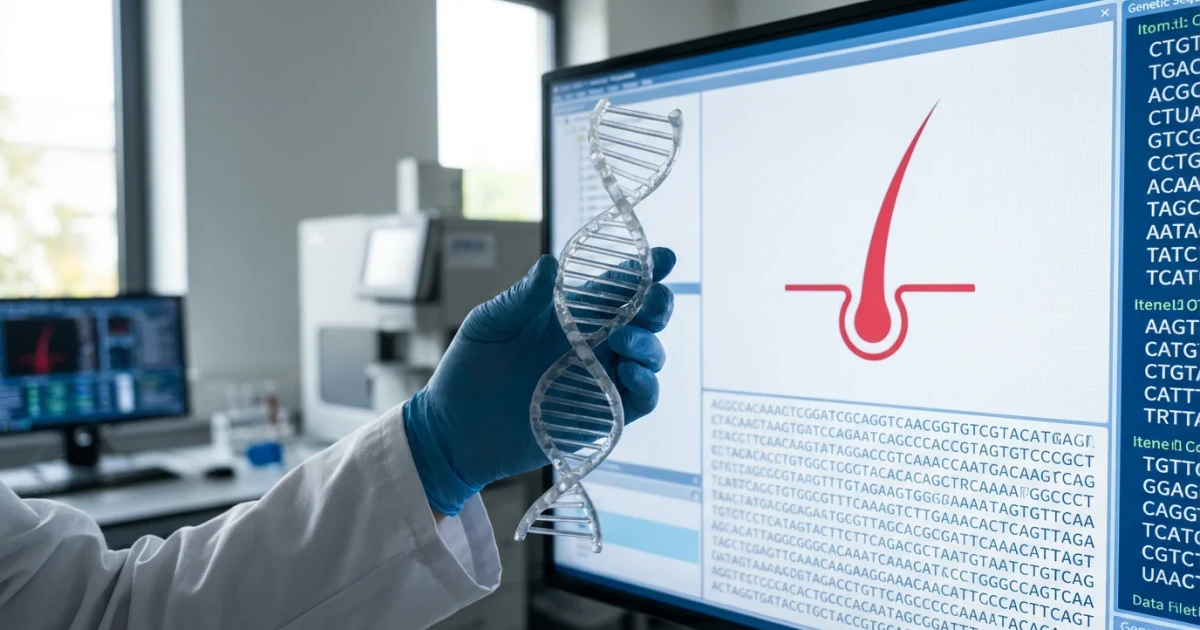
New research indicates that the gene responsible for red hair has been increasingly favored by natural selection in humans over the past 10,000 years, according to findings highlighted by The Guardian. The large-scale ancient DNA study, which analyzed genetic material from thousands of individuals across Eurasia, sheds light on how human traits have evolved in response to environmental and social pressures in recent millennia.
MC1R: The Gene Behind Red Hair
Red hair is primarily determined by variants of the MC1R gene, which influences the type of melanin pigment produced by hair follicles. While most people have dark hair due to eumelanin, certain MC1R variants result in the production of pheomelanin, giving rise to red hair and fair skin. The function and significance of this gene are further detailed by the Genetics Home Reference, which explains how MC1R mutations affect pigmentation.
New Insights from Ancient DNA
The Guardian reported that a sweeping genomic analysis, involving the sequencing of DNA from ancient remains, found that the frequency of red hair-associated MC1R variants has increased in European populations since the end of the last Ice Age. This trend suggests that these gene variants have been subject to positive natural selection—meaning they provided some evolutionary advantage to those carrying them.
- Red hair is much more common in northern Europe, with the highest prevalence in Scotland and Ireland.
- Less than 2% of the world's population has naturally red hair, but frequencies in some regions exceed 10%.
- Variants in the MC1R gene are strongly correlated with these population patterns.
Why Was Red Hair Favored?
While the exact evolutionary pressures remain under investigation, scientists hypothesize that increased red hair frequency may be linked to adaptation to low sunlight environments. The recent Nature study suggests that lighter skin—often associated with red hair—enhances the body’s ability to produce vitamin D in regions with limited sunlight, potentially conferring survival advantages in northern latitudes.
This is supported by the SNPedia database, which catalogs MC1R single nucleotide polymorphisms (SNPs) and their association with pigmentation and sun sensitivity. The findings also align with broader research into red hair genetics, which documents the distribution of MC1R variants across European populations.
Accelerated Evolution in Recent Millennia
The Guardian notes that the study’s authors observed a general acceleration in natural selection acting on human genes during the last 10,000 years—a period marked by dramatic changes in diet, lifestyle, and migration. The MC1R gene is just one example of how certain traits may have become more common due to new environmental challenges and opportunities.
Researchers used data from the 1000 Genomes Project to compare ancient and modern allele frequencies, confirming that the rise in red hair-associated variants is significant and not simply a product of random genetic drift.
Global Perspective and Genetic Diversity
Despite its association with northern Europe, MC1R variation is found worldwide, although red hair itself remains rare outside Europe. The Guardian emphasizes that this research highlights the complexity of human adaptation and the ongoing impact of both natural selection and genetic drift.
Looking Ahead
These discoveries open new avenues for studying how human traits evolve in response to changing environments and social factors. As genomic technology advances, further research may clarify the roles of specific MC1R variants and the broader implications for understanding modern human diversity.