Science
Red Light Therapy Gains Traction After Dermatologist's Hospital Experiment
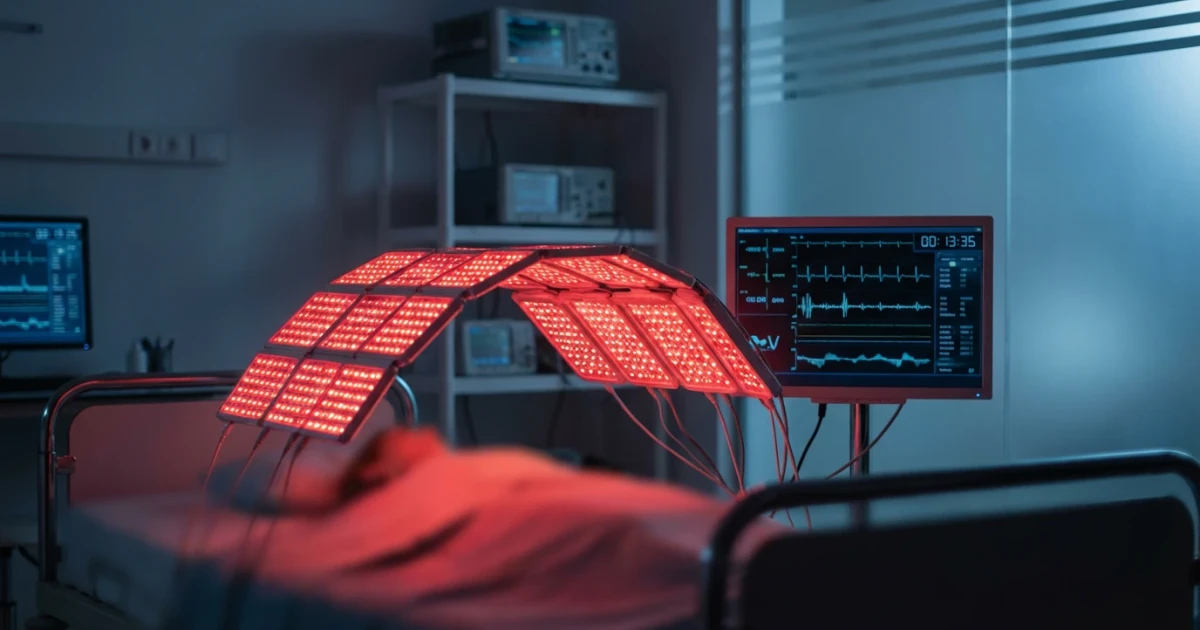
Red light therapy, once relegated to the margins of alternative medicine, is seeing renewed attention from the public and medical community alike. This surge in interest follows an unusual story: a dermatologist, skeptical yet hopeful, covertly installed red LED panels in his son’s hospital room following a stroke. The experiment, which began as a desperate attempt to aid recovery, has since converted the physician into a firm believer in the therapy’s potential.
From Fringe Concept to Mainstream Curiosity
Red light therapy, also known as photobiomodulation, uses specific wavelengths of red or near-infrared light to stimulate cellular repair and reduce inflammation. While initially embraced by a small community of wellness enthusiasts and alternative health practitioners, recent years have seen its application broaden significantly, with devices now marketed for everything from wound healing to athletic recovery.
The story highlighted by Boing Boing crystallizes a larger trend: mainstream physicians are increasingly curious about the therapy’s possible benefits. While the dermatologist’s actions—smuggling LED panels into a hospital—might seem unorthodox, his willingness to experiment reflects a growing appetite for novel recovery strategies, especially when conventional options seem limited.
Clinical Evidence and Regulatory Considerations
- Recent clinical trials have explored red light therapy for stroke rehabilitation, examining both efficacy and safety across diverse patient populations.
- A systematic review of existing studies has shown mixed but promising results, with some patients experiencing improved motor function and cognitive outcomes.
- The FDA currently classifies red light and LED devices as general wellness products, meaning they are legally marketed for certain uses but not yet officially approved for treating stroke or other neurological diseases.
Despite the regulatory gray area, the therapy’s safety profile remains strong, with most side effects limited to mild skin irritation or eye strain when improperly used.
Growing Body of Research
Interest in red light therapy’s application for neurological disease is expanding rapidly. According to PubMed, published research on photobiomodulation and stroke has increased significantly over the last decade, encompassing animal studies, pilot human trials, and mechanistic investigations.
Mechanistically, red light is believed to stimulate mitochondrial activity and promote neuroplasticity, potentially aiding in the recovery of damaged brain tissue. While consensus on its effectiveness for stroke is not yet reached, the therapy’s non-invasiveness and low risk have made it attractive for off-label use by patients and clinicians seeking every possible avenue for recovery.
Public Curiosity and Cautious Optimism
The dermatologist’s experience, as described by Boing Boing, epitomizes the blend of hope and skepticism surrounding red light therapy. His journey—from skeptical observer to advocate—mirrors the attitude of many families seeking new solutions in the face of daunting medical challenges. While anecdotal successes like his son’s story are compelling, experts emphasize the importance of ongoing clinical research to determine who might benefit most and under what circumstances.
As consumer-grade LED panels become more accessible and media coverage grows, demand for clear guidance and robust evidence will continue to rise. For now, red light therapy sits at the intersection of innovation and investigation—poised to become a more prominent part of neurological rehabilitation if upcoming large-scale trials confirm early signs of benefit.