Politics
Redrawn South Carolina Map Sets Stage for Congressional Shake-Up
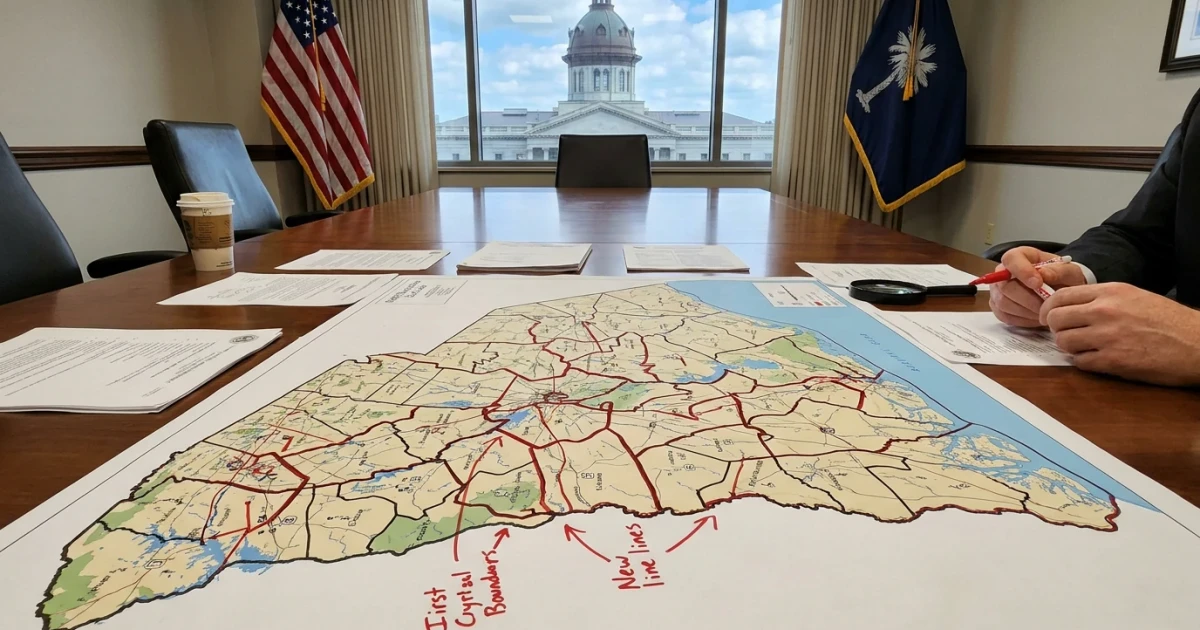
South Carolina’s congressional races face fresh uncertainty as a recent map redraw could force candidates into unexpected political territory and potentially upend the 2026 election landscape. The change, prompted by ongoing legal and legislative challenges, creates a pivotal moment for both incumbents and newcomers.
Redistricting Process and Background
The congressional redistricting process in South Carolina has been closely watched since the 2020 Census. Redistricting, which occurs every ten years to reflect population changes, has a significant impact on how district lines are drawn, directly influencing which voters are represented by each member of Congress. The state legislature is responsible for creating and approving new maps, but the process has been complicated by a series of court challenges alleging issues with the original lines.
South Carolina’s population grew by over 10% between 2010 and 2020, according to 2020 Census data. This growth has not been evenly distributed, with some areas seeing significant demographic shifts. As a result, the state’s seven congressional districts have been closely scrutinized for equitable representation, particularly concerning communities of color and rural versus urban populations.
Implications for Candidates
The Post and Courier reports that the map redraw could create "unexpected do-overs" for candidates, with some districts changing enough to force sitting lawmakers or challengers to recalibrate their campaigns. Candidates may find themselves introduced to new constituents or, in some cases, drawn out of the districts where they had planned to run. Such changes can disrupt campaign strategies, fundraising plans, and even alter the balance of party support in certain areas.
- Incumbents might have to introduce themselves to communities they haven’t previously represented.
- Potential challengers could face significantly altered odds depending on how boundaries shift.
- Primary races may see new dynamics if familiar rivals are now competing in different districts.
According to official election results, several districts have been reliably Republican or Democratic in recent cycles, but even small changes in district lines can make a contest more competitive or cement an incumbent’s advantage. The last round of redistricting, for instance, saw shifts that impacted voter turnout and campaign messaging across the state.
Legal and Political Context
Redistricting in South Carolina, as in many states, is both a technical and deeply political process. Advocacy groups and some local leaders have argued for greater transparency and public input, citing concerns about gerrymandering and the dilution of minority voting strength. Ongoing lawsuits have challenged previous versions of the map, with courts occasionally requiring districts to be redrawn until they meet constitutional standards.
The demographic makeup of each district is a key factor in these disputes, as changes can shift the racial, age, or economic composition of a district, influencing its political leanings. The current redraw is part of this ongoing tug-of-war, with both major parties closely watching to see how the new lines will affect their prospects.
What Comes Next?
With new maps in place, candidates are expected to quickly announce updated campaign plans, and some may even switch districts or withdraw from races entirely. Voters, too, will need to pay attention, as they may find themselves in a different congressional district or represented by a new candidate.
South Carolina’s experience reflects a broader national trend: redistricting remains a powerful force shaping American elections. As litigation continues and political alliances shift, both parties will be working to adapt to the new landscape ahead of the 2026 elections.
For more information, readers can explore the official redistricting records, review past election results, and examine the demographic breakdowns of each district to better understand the stakes of the current redraw.
Looking ahead, the full impact of South Carolina’s congressional map redraw will depend on how candidates and voters respond to the changes—and how the courts ultimately rule on any further legal challenges. As the 2026 races heat up, all eyes will be on the shifting lines that define the state’s political future.