Health
Reed Jobs says Yosemite is building cancer companies from scratch
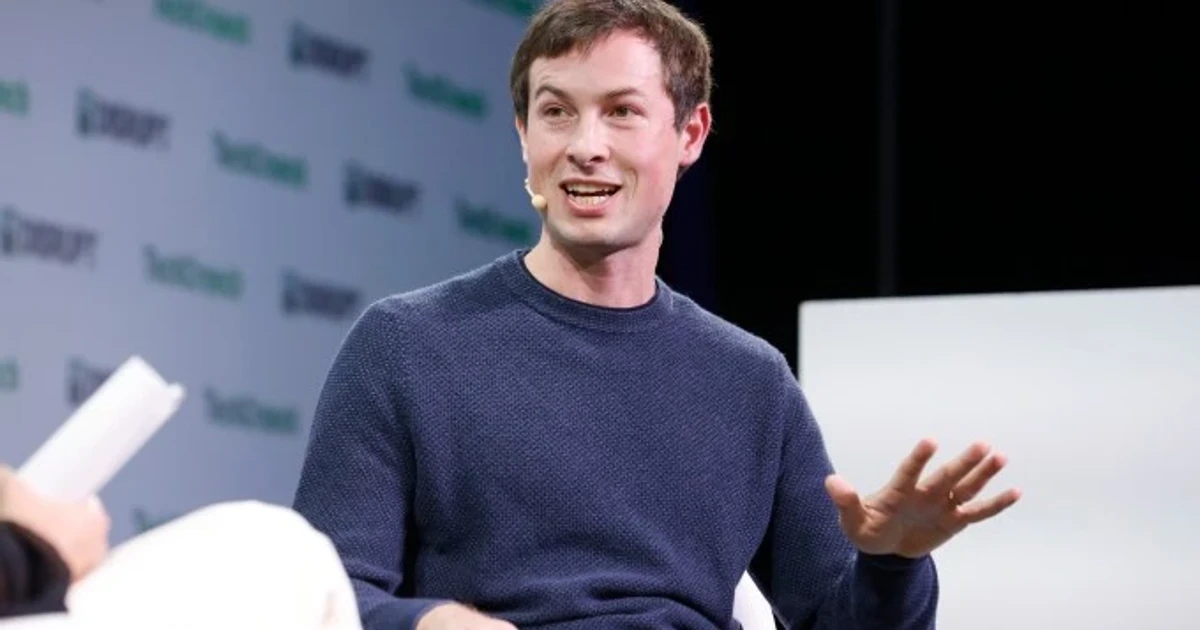
Reed Jobs said Yosemite’s second fund had its first close and was targeting $350 million, as the oncology-focused firm he launched in 2023 pushed a model he says is meant to build cancer companies from scratch. The firm now has 17 people, and Jobs is trying to make the science, not his last name, the center of the story.
Yosemite’s pitch is different from a classic venture fund that waits for a startup to form and then writes a check. Jobs described a mix of philanthropy and venture capital aimed at very early academic work, then turning that work into commercial companies. In practice, that means Yosemite is trying to move earlier in the chain of discovery, where grants support lab research, ideas are still fragile, and the company structure has not yet been built around them.
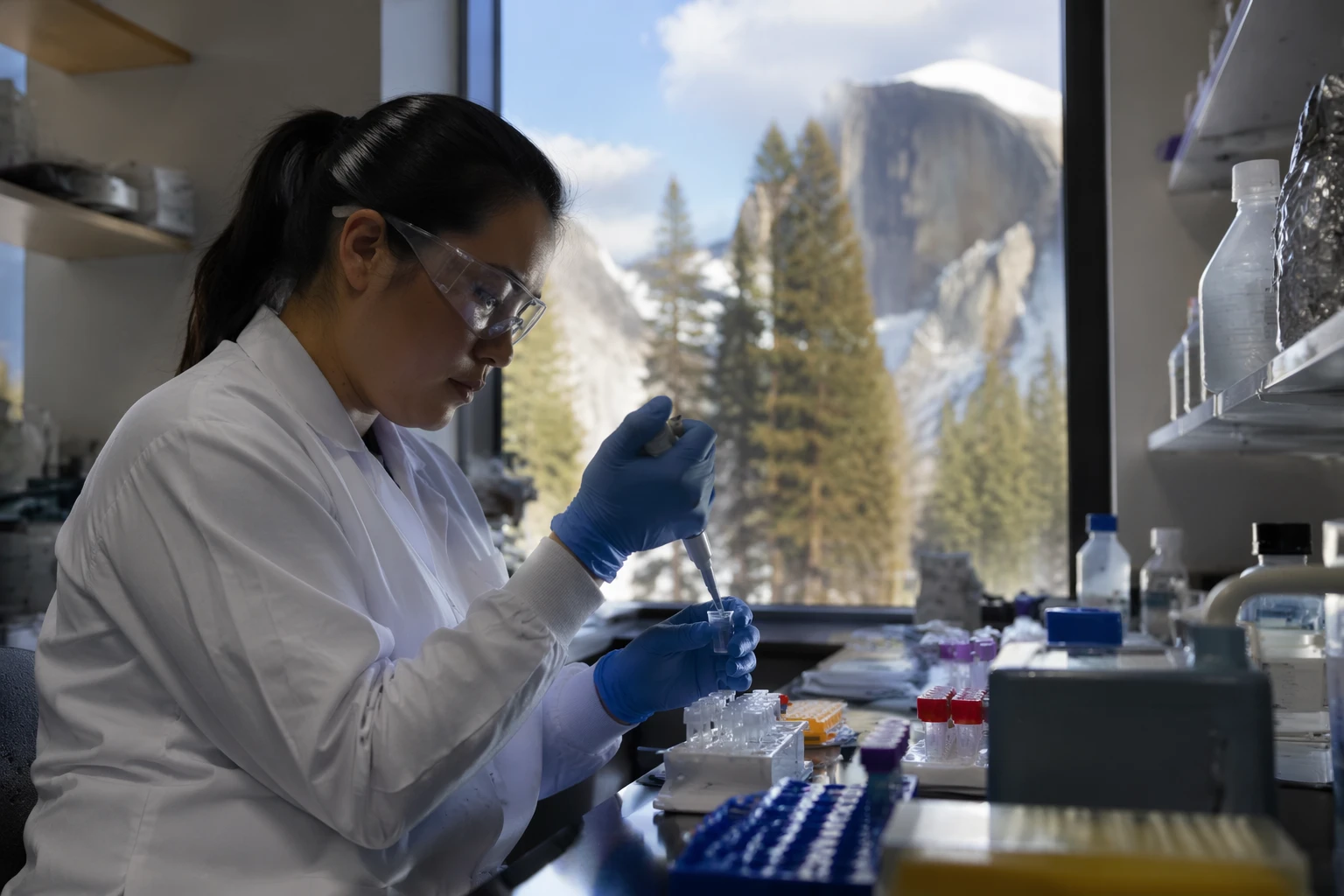
That approach matters for patients because the earliest decisions in drug development often determine how fast a therapy reaches the clinic. Jobs said artificial intelligence has become a larger part of Yosemite’s effort because it is changing both drug discovery and the design of clinical trials. In a field that is now more data-heavy, more complex and more expensive, the attraction of a firm like Yosemite is that it can bring domain expertise before a drug program is far enough along for large pharmaceutical companies to take over.
Jobs pointed to Azalea, which began with a grant to Jennifer Doudna’s lab and is now in the clinic, and Quarry, which uses an induced-proximity therapeutic approach. Those examples show the kind of pipeline Yosemite is trying to create: not just investing in a company that already exists, but helping shape the company around academic science that has not yet been fully commercialized.
The timing also fits a market opening. Jobs said a cluster of blockbuster drugs is losing patent protection, which creates room for new entrants and raises pressure on the industry to replace revenue with fresh therapies. That gives venture-backed builders like Yosemite a chance to occupy a space between university labs and Big Pharma, but it also means more of the early control over a program can sit with the firm that helps create it. In that setup, Yosemite is not only financing research. It is helping decide which discoveries become companies, how they are packaged for investors and how quickly they are pushed toward human testing.