Politics
Reeves backs Burnham as Labour leadership race heats up
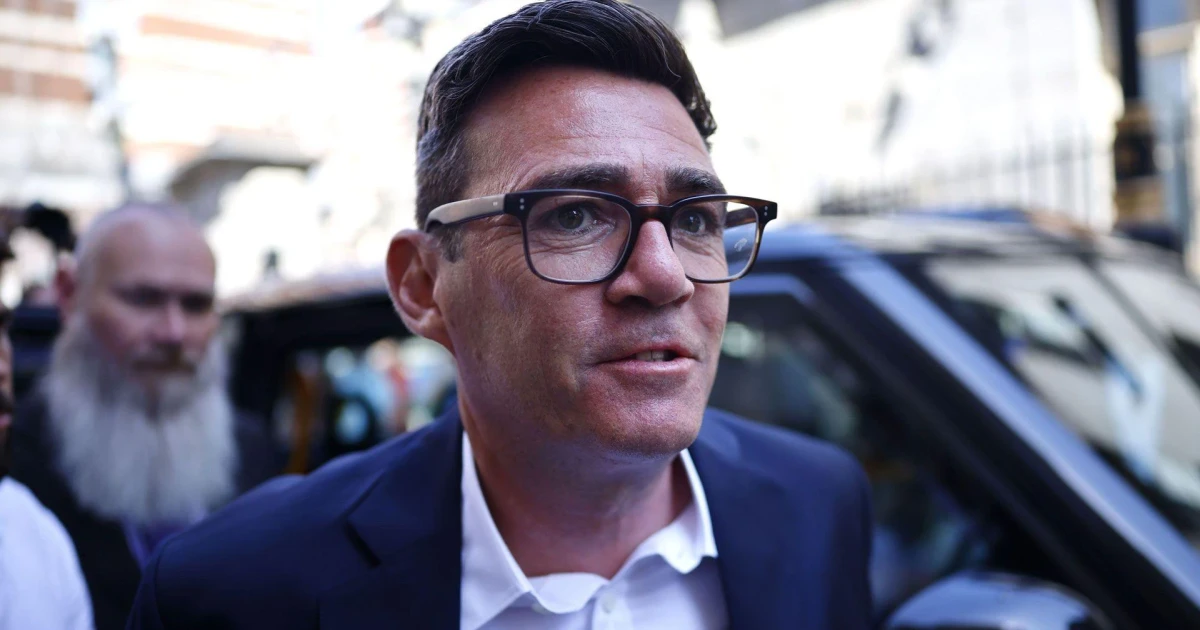
Rachel Reeves has backed Andy Burnham to replace Sir Keir Starmer as prime minister, even as reports circulated that she could be demoted if he forms a government. The chancellor’s support gives Burnham a major Cabinet figure at a moment when Labour’s succession fight is turning quickly from speculation into open positioning.
Starmer announced on 22 June 2026 that he intended to resign as Labour leader and prime minister, setting in motion a compressed timetable that could see the party choose a successor by early September. The House of Commons Library said Labour’s nomination period would run from 9 July to 16 July, and if more than one candidate enters, the contest would be completed by 1 September 2026. That schedule has sharpened the scramble in Westminster, London, where the race is being framed less as a long handover than as a rapid transfer of power.
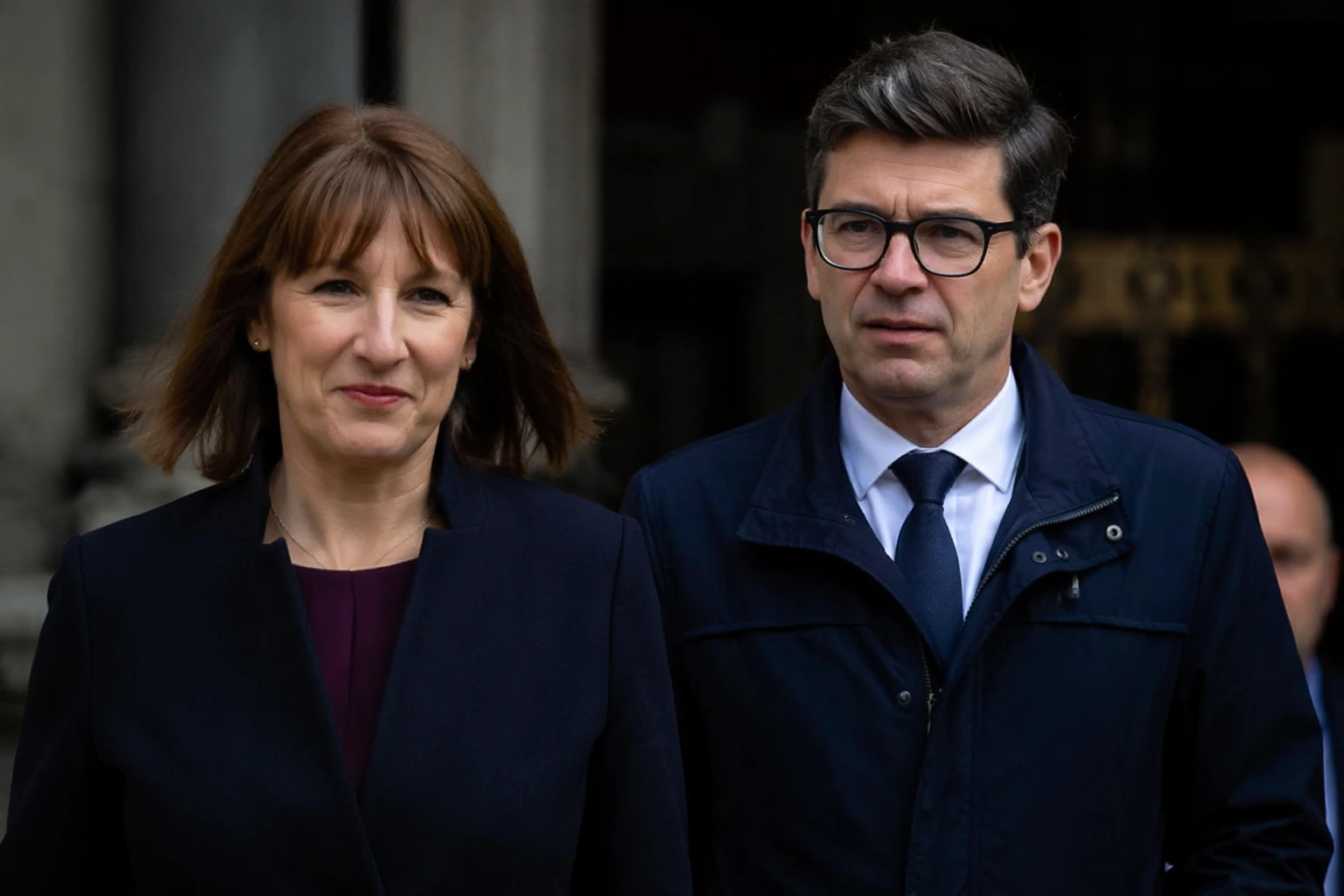
Burnham has emerged as the front-runner, helped by the decision of Cabinet minister Darren Jones not to run. His withdrawal has widened the space around Burnham and left Starmer allies looking for a continuity candidate to challenge him, with Wes Streeting among the names they have tried to persuade. The internal manoeuvring has exposed a deeper problem for Labour: the party is trying to manage succession while still governing, and every fresh hint of a leadership deal or rival camp raises questions about who is really directing policy.
Treasury control is now one of the most sensitive fault lines. MPs have been lobbying Burnham to keep Reeves as chancellor, arguing that she is the figure most likely to reassure financial markets. Other reports have said Burnham could sack her or move her out of the Treasury if he wins. Reeves’s public backing of Burnham, despite that threat to her own position, signals that the leadership contest is already testing party discipline and personal loyalties inside Labour’s top ranks.
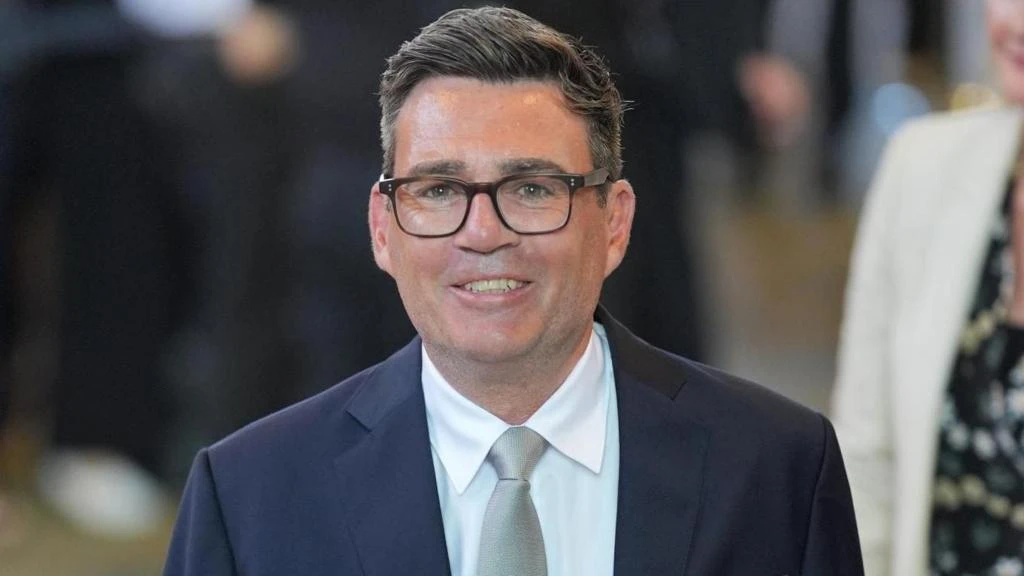
Burnham has also been reported to be receiving government briefings as the transition scenario gathers pace, a sign that the succession machinery is starting to move before the contest has formally opened. For Labour, the stakes now go beyond the personalities involved. Open jockeying at the top can unsettle ministerial authority, blur responsibility for spending and economic policy, and feed the impression that the party’s governing agenda is being overtaken by its internal power struggle.
Sources
- [1]bbc.co.uk
- [2]telegraph.co.uk
- [3]commonslibrary.parliament.uk
- [4]inews.co.uk
- [5]apnews.com