US News
REI guide explains tent types, with top picks from Coleman and Big Agnes
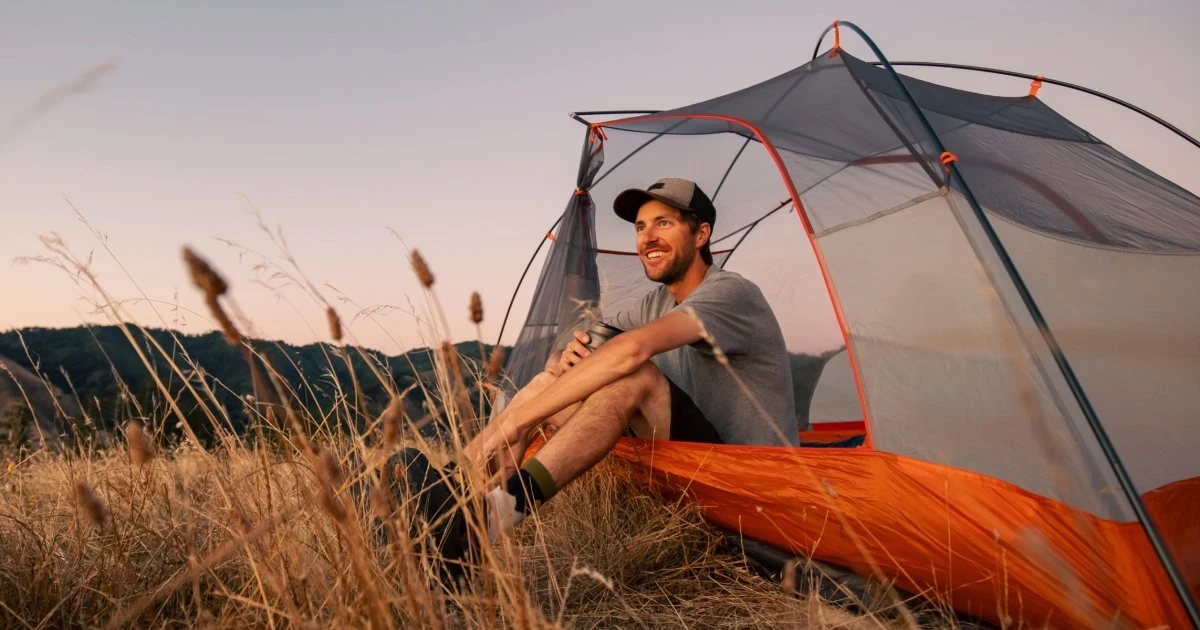
From 1-person backpacking shelters to 10-person family cabins, the tent market now spans radically different trade-offs in weight, setup speed and weather protection. REI’s 2026 tent guide sorts those choices by use case, season rating and weight.
How to sort the tent aisle
The first decision is not brand, but use case. Backpacking tents serve a different job than camping tents for car-camping and base-camp trips, and that split reflects how people actually use them. Backpacking models usually run from 1 to 5 people, while family and car-camping tents are commonly sized from 2 to 8 people.
That capacity range is only part of the story. Size up if you want room for dogs, packs or extra gear. A 4-person tent can feel tight once sleeping pads, duffels and wet shoes are inside, and that gap between the label and the lived experience is where many buyers get frustrated.
Weather ratings matter more than sales language
Three-season, 3-4 season and 4-season tents tell you more than a product name ever will. Three-season tents are built for most of the year and prioritize ventilation and lighter construction, while heavier shelters put more emphasis on weather protection.
The practical difference is easy to miss in ads that focus on “all-weather” language. A tent that breathes well in summer can be the right call for warm nights and shoulder-season trips, but less suitable if you expect persistent wind, snow loading or cold-weather camping.
Backpacking tents reward low weight, not living-room space
Backpacking tents are a different category because every ounce counts. There is no industry standard for dimensions, which means a 2-person backpacking tent from one maker may feel very different from another even when the capacity is identical. That is why capacity alone does not tell you whether two adults can actually sleep comfortably.
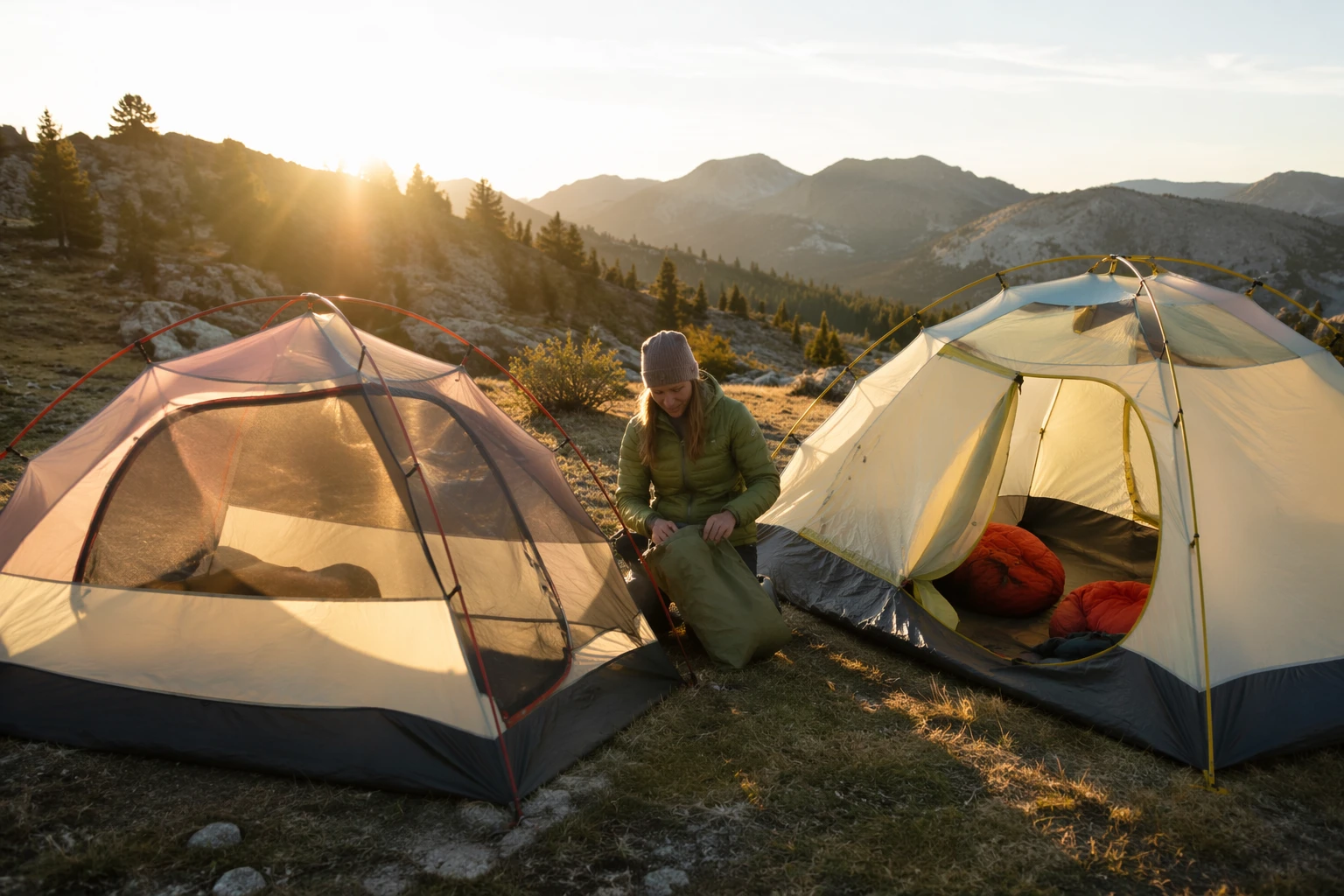
Big Agnes leans directly into that lightweight, technical niche. Its tents are designed for backpacking, car camping, bikepacking, mountaineering and more, and its 2026 collection includes Blacktail, Copper Spur UL Bikepack, Salt Creek, Sarvis VST, Shield, String Ridge VST and Tiger Wall Platinum models.
For buyers, the trade-off is straightforward. Lighter tents are easier to carry and often quicker to manage on trail, but you usually give up some interior volume, reinforced materials or weather margin. If you are trying to save pack weight, that can be the right trade. If you are camping close to the car, it may not be.
Car-camping tents are built for convenience first
Coleman’s instant cabin tents sit on the other side of that divide. The company markets them for car camping and extended trips, and Coleman says some instant cabin models are ready in about one minute. That kind of speed is not a gimmick if you arrive late, camp with kids or want to avoid a complicated setup after a long drive.
Those tents use WeatherTec™ features, including welded floors and inverted seams. Those details matter because floor leaks and seam seepage are among the most common comfort failures in inexpensive tents, especially when rain pools around the base.
The 10-person Dark Room™ cabin tent pushes convenience in another direction. Coleman says it blocks 90% of sunlight and reduces heat inside the tent for more comfortable rest. That is especially relevant for families or groups camping on bright mornings, where darkness and cooler interior temperatures can make the difference between sleeping in and waking at sunrise.
What to pay for, and what to treat as marketing
The most valuable tent features tend to be the ones that solve recurring problems rather than decorate the spec sheet. Easy setup helps if you camp often or with children. Better ventilation helps if you camp in warm weather. Stronger floors and sealed seams matter if you expect rain or damp ground. Extra space matters when one tent has to handle sleeping, changing and gear storage at once.

The marketing language often obscures the trade-off. “Instant,” “ultralight” and “family size” each highlight one benefit while leaving out what was sacrificed to get there. An instant cabin tent can be heavier and bulkier to transport. An ultralight backpacking tent can be less forgiving in wind and can feel cramped for two adults plus gear. A larger family tent can be more livable, but it may ask more of your vehicle space, campsite footprint and setup patience.
The North Face’s tents point to another middle ground. Its camping and backpacking tents are designed to provide protection from the elements, with features such as vestibules for gear storage. It also emphasizes easy setup, ventilation and portability, and has sold outdoor performance clothing and gear since 1966.
Why demand stays strong
The broader market helps explain why tent makers keep widening their lineups. Hiking, camping and fishing each gained more than 2 million new participants, according to the Outdoor Industry Association. The National Park Service reported 323 million recreation visits in 2025, including more than 13 million overnight stays and 26 parks that set new visitation records.
Crowded parks and fuller campgrounds raise the premium on fast setup, reliable weather protection and adequate space. More people outdoors means more chances for a tent to be tested by wind, rain, time pressure and packed campgrounds.
The clearest buying logic
If you backpack, prioritize weight, packability and a realistic capacity rating. If you car camp, look harder at setup speed, interior room and weather-sealing features like welded floors and inverted seams. If you camp with family or pets, size up early and treat the extra square footage as a comfort feature, not a splurge.
Sources
- [1]nbcnews.com
- [2]rei.com
- [3]coleman.com
- [4]bigagnes.com
- [5]thenorthface.com
- [6]outdoorindustry.org
- [7]nps.gov