Science
Released goldfish can destabilize freshwater ecosystems, study warns
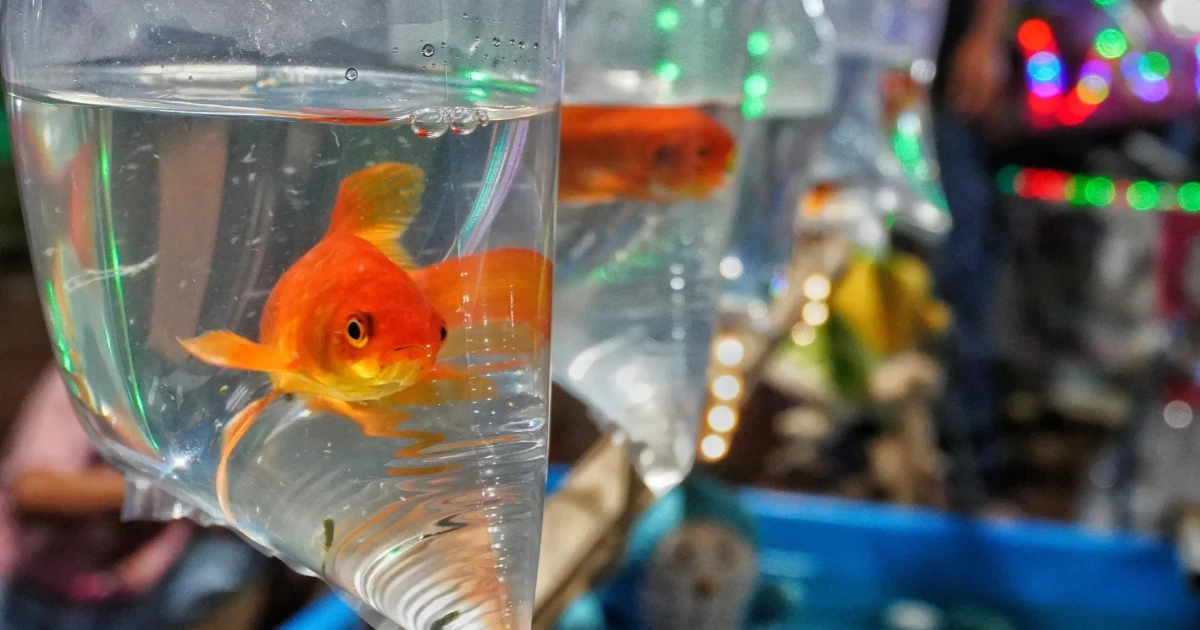
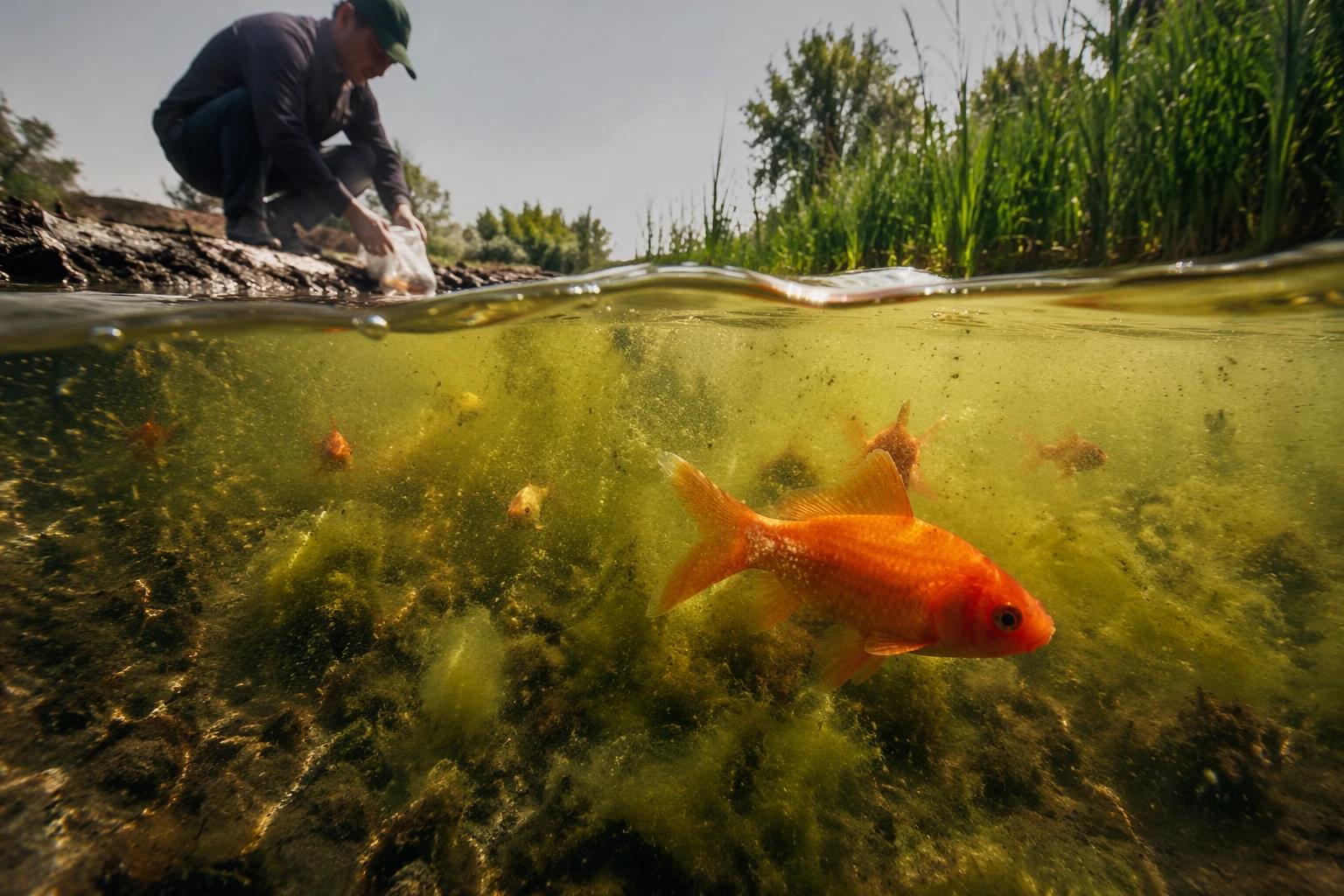
A discarded goldfish can do more than survive in a pond or stream. In outdoor experiments, researchers found that released fish clouded water, increased suspended solids and pushed freshwater systems toward instability, with one ecosystem shift arriving in just 61 days.
The University of Toledo said the study was published April 28, 2026 in the Journal of Animal Ecology and used large-scale outdoor mesocosm experiments to mimic lake conditions. Lead investigator William Hintz said releasing a goldfish may seem like an act of kindness, but it can become a major ecological threat. The work found rapid declines in water clarity in nutrient-rich water, reductions in snails, amphipods and zooplankton, and poorer body condition in native fish.
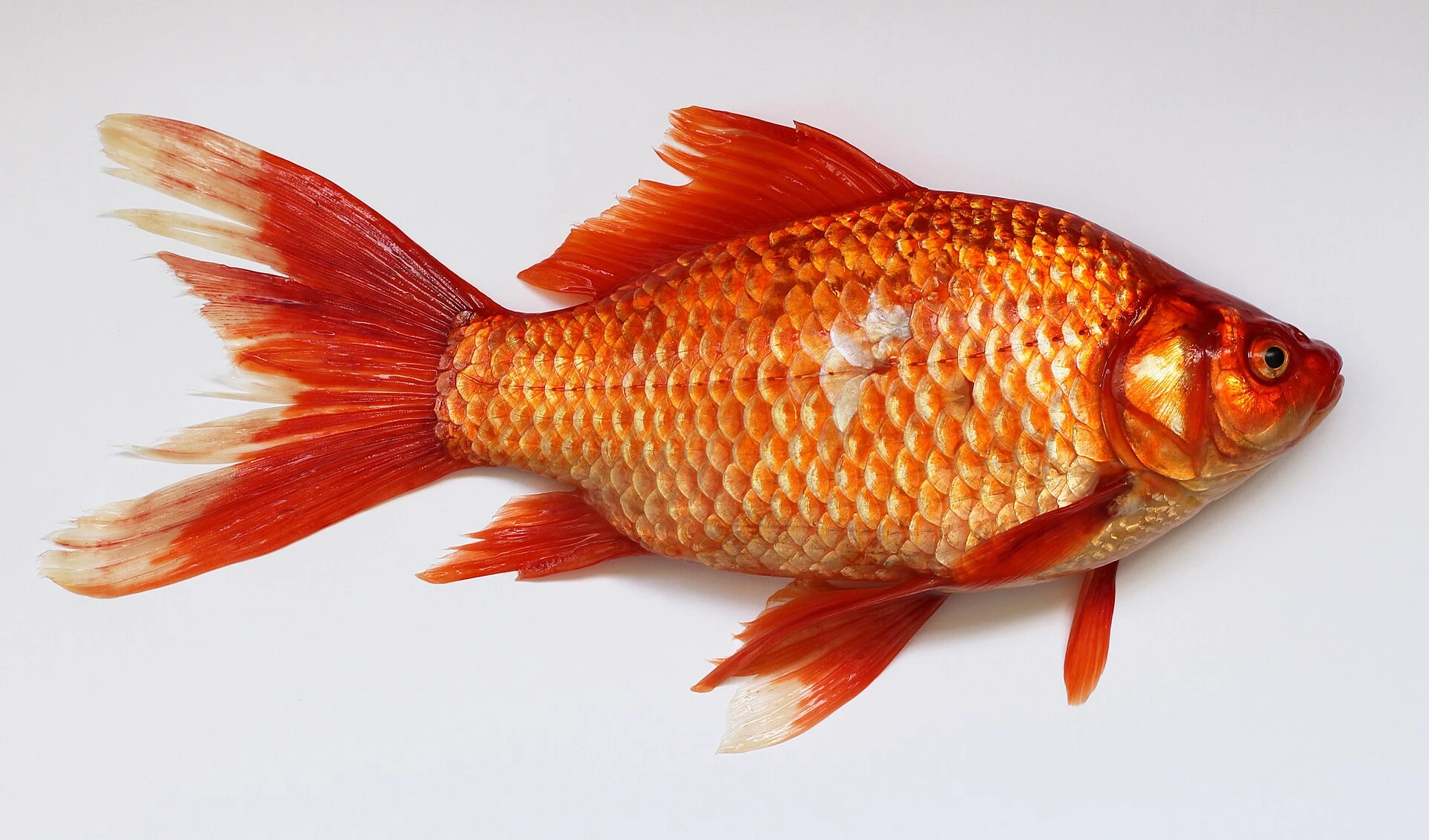
Rick Relyea, a co-author from the University of Missouri, said released goldfish rapidly grow very large, stir up lake sediments, eat prey and compete with native fish. The Ohio Newsroom reported that goldfish can reach 16 inches and weigh up to nine pounds in the wild, and that Hintz believes goldfish populations in Lake Erie are in the thousands. The U.S. Fish and Wildlife Service has documented a 14-inch goldfish removed from the Niagara River, showing how far the problem has already spread in North American waters.
The fish are native to East Asia and can survive in a wide range of environmental conditions, making them especially difficult to contain once they are released, the U.S. Fish and Wildlife Service said. Pennsylvania Sea Grant said goldfish arrived in North America in the 1600s and are now among the world’s most widespread invasive species. The new findings suggest there is no lake type that is automatically safe once goldfish establish themselves.
Minnesota has taken a stricter line. The Minnesota Department of Natural Resources classifies goldfish and koi as regulated invasive species, and while possession and sale are allowed, release into the environment is illegal. That approach reflects the policy lesson in the study: preventing releases is far easier and cheaper than trying to restore a damaged waterbody after goldfish have already taken hold.
For public agencies, the hidden cost is not just trapping a few fish. It is the long, expensive work of restoring water clarity, rebuilding food webs and protecting native species after an ornamental pet has turned into an invasive problem.
Sources
- [1]sciencedaily.com
- [2]news.utoledo.edu
- [3]showme.missouri.edu
- [4]statenews.org
- [5]fws.gov
- [6]dnr.state.mn.us
- [7]seagrant.psu.edu