World
Renewed fighting enters sixth day as sides leave door open to talks
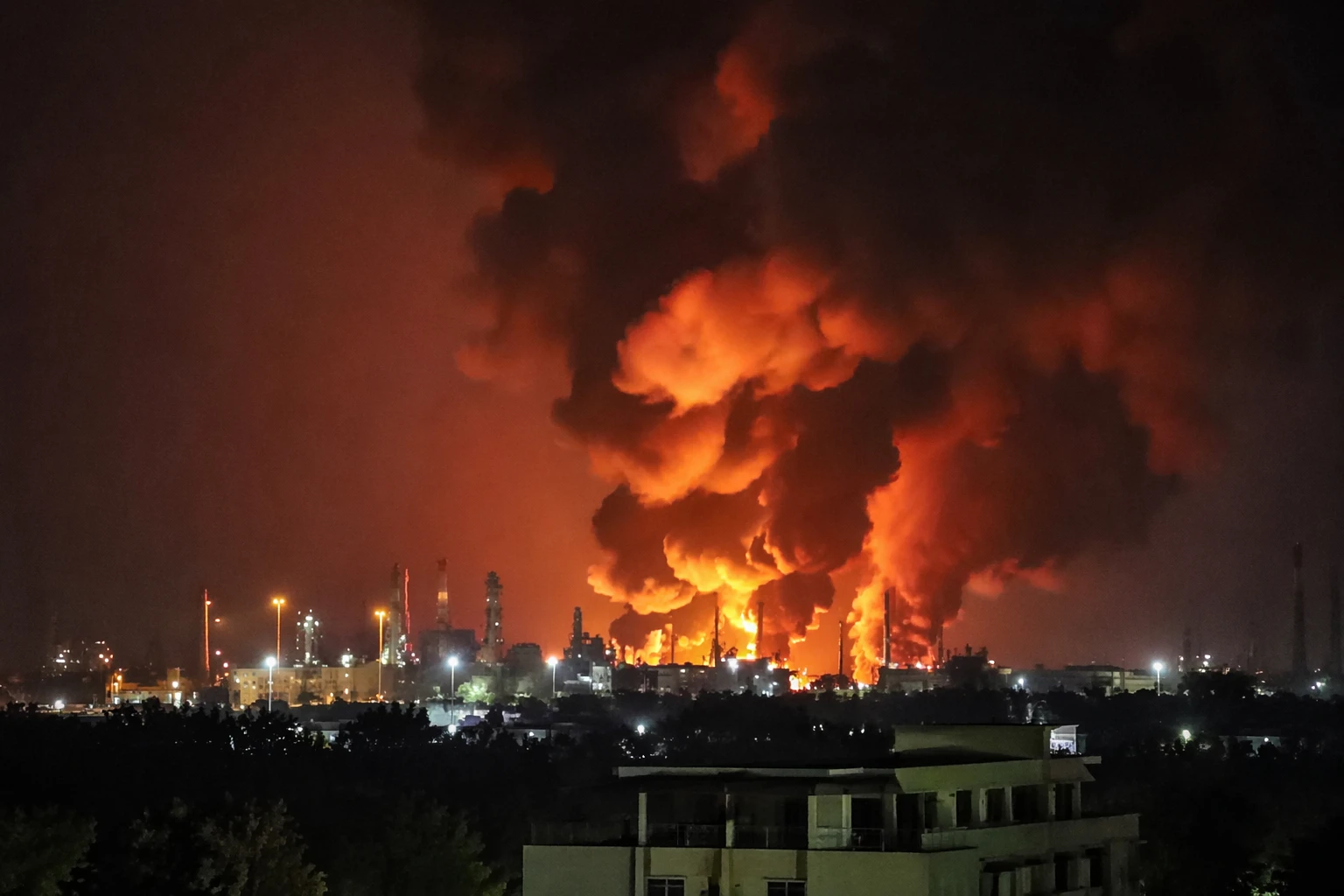
U.S. forces launched another wave of attacks on Iran on Wednesday night, with explosions reported in Bandar Abbas, Chabahar and Ahvaz, as the renewed fighting entered its sixth day. The latest strikes followed a pattern of fast-moving retaliation that has kept the conflict alive even as both governments kept hinting that negotiations could still resume.
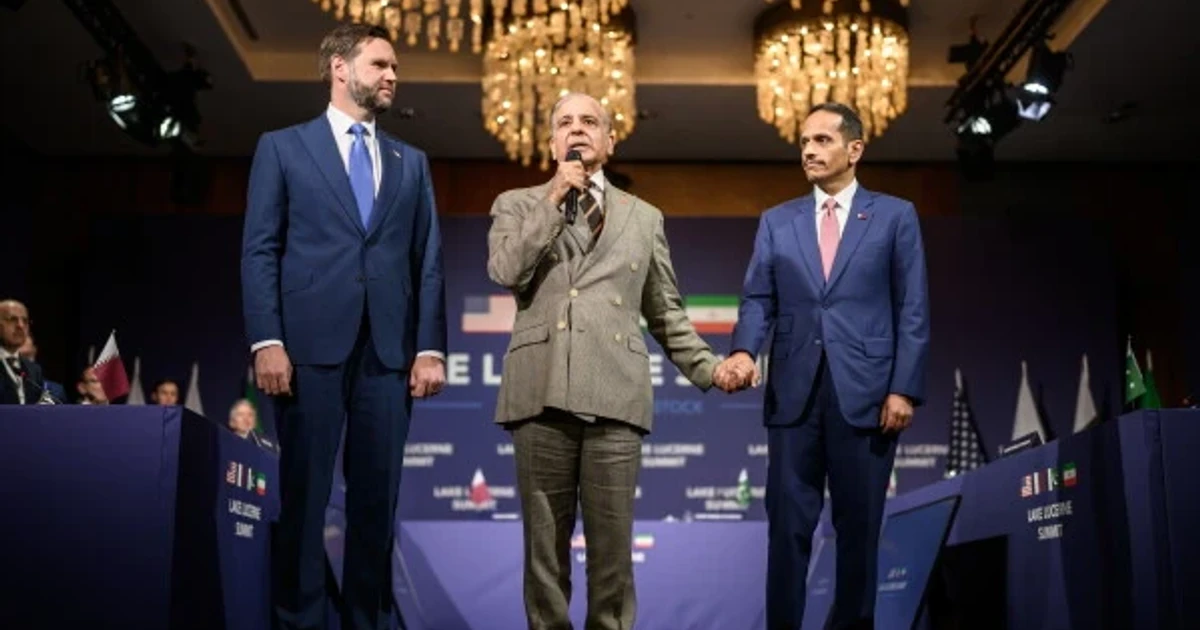
That contradiction has been visible for weeks. Indirect technical talks began in Doha on July 1 with Qatar and Pakistan mediating, after earlier rounds in Switzerland brought together U.S. Vice President JD Vance, President Donald Trump’s son-in-law Jared Kushner, Iran’s Foreign Minister Abbas Araqchi and Pakistan’s Prime Minister Shehbaz Sharif. Trump had already told aides to keep talks moving, while warning that if Iran kept “shooting at ships or ... any other hostile act, then we're going to hit them back”.
Washington’s immediate demand has been tied to the sea lanes. U.S. officials have pressed for free access through the Strait of Hormuz, and Trump said the ceasefire was “over” after fresh attacks. Iran, for its part, had previously moved to close the strait over Israeli attacks on southern Lebanon, calling that move the “first step” in a response to what it described as a breach of its agreement with the United States. The Congressional Research Service said U.S. and Israeli strikes on Iran had already sparked a regional conflict that largely halted maritime traffic through the Strait of Hormuz.

The diplomatic channel has shown some substance, not just messaging. Washington waived Iran sanctions after talks on June 22, and the U.S. and Iranian sides moved from the first round of talks in Switzerland to the technical discussions in Doha. But the military track has not paused. On July 13, the U.S. resumed strikes against Iran, and a new wave of explosions followed in the south and southeast. On July 15, the U.S. launched a second wave of attacks in a single day after Tehran’s latest moves.

The red lines are now clear enough to widen the war quickly. Another strike on commercial shipping, a renewed closure threat in the Strait of Hormuz, or attacks on U.S. bases in the Gulf would put any opening for talks under immediate strain. For now, both Washington and Tehran are using force to improve their leverage before they sit down again, while leaving just enough room to claim they still want a deal.
Sources
- [1]nytimes.com