Technology
Renting robots gains traction as businesses embrace robot-as-a-service
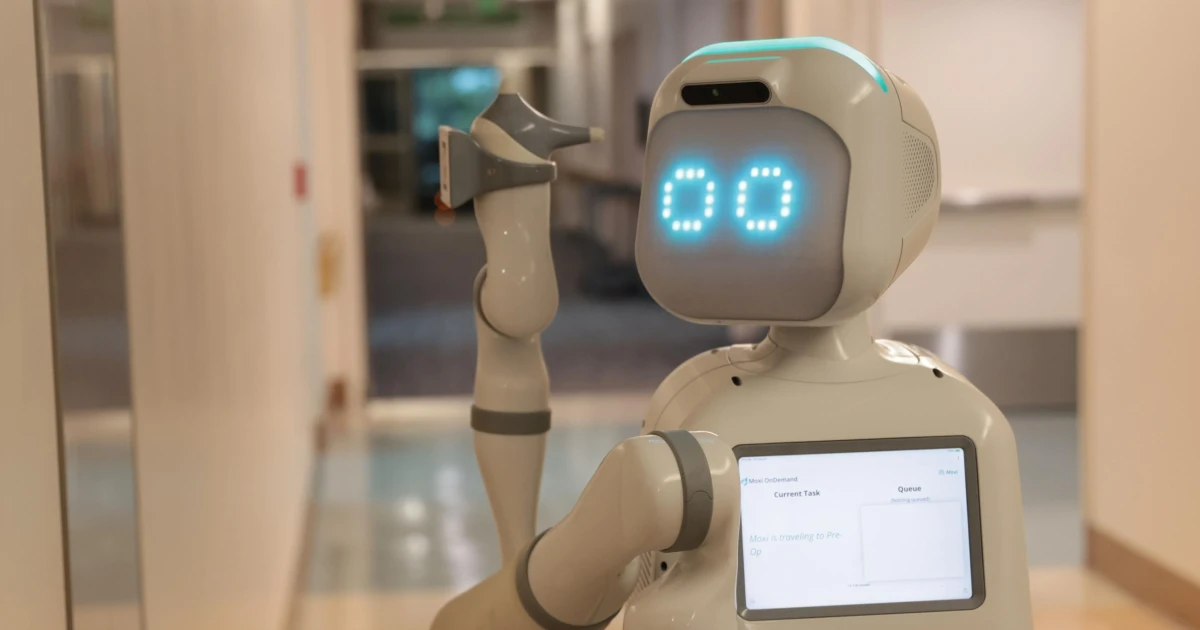
Renting a robot is no longer a novelty pitch. For many businesses, it is a way to automate cleaning, delivery, logistics, and guest services without locking up capital in hardware that may be obsolete before the lease ends. The appeal is practical: pay for capacity when demand spikes, avoid a large purchase up front, and keep the option to change equipment as robotics improves quickly.
Why robot-as-a-service is spreading
Robot-as-a-service, often shortened to RaaS, works like a subscription or pay-per-use contract. Market research firms describe it as a model that lowers upfront capital costs and makes automation more accessible to smaller companies that cannot justify buying a fleet outright. That matters in a market that is scaling quickly: the International Federation of Robotics says more than 205,000 professional service robots were registered worldwide in 2023, and almost 200,000 more were sold in 2024, up 9%.
The growth is not just in units, but in the way companies are using them. The IFR says the RaaS fleet expanded by 31%, a sign that more businesses are choosing operating expense over ownership. Staffing shortages remain a key driver, especially in jobs where companies need repetitive labor but struggle to hire enough people, while aging populations are increasing demand for medical robots.
What companies are actually outsourcing
The clearest uses are the tasks that are repetitive, labor-intensive, or hard to staff consistently. Robots are already being marketed for cleaning, security, greeting, delivery, hospitality, research, events, and hotel operations. That list shows how the model is moving beyond warehouses and factory floors into customer-facing work, where flexibility matters as much as raw throughput.
Transportation and logistics was the largest professional service-robot category in 2024, with 102,900 units sold, according to the IFR. Hospitality and cleaning followed behind it, which fits the way vendors are packaging robot fleets for guest delivery, room service, housekeeping support, and public-area cleaning. In practice, that means a hotel can rent a machine to move items to rooms, or a warehouse can add automation without building a permanent robotics department.
The U.S. market reflects the same pattern. Market research firms point to logistics automation, warehouse robotics, and healthcare deployments as the main growth engines, which suggests that businesses are using rented robots where labor is expensive, turnover is high, or service demand comes in bursts. For smaller firms, that can be the difference between experimenting with automation and never trying it at all.
Where the economics make sense
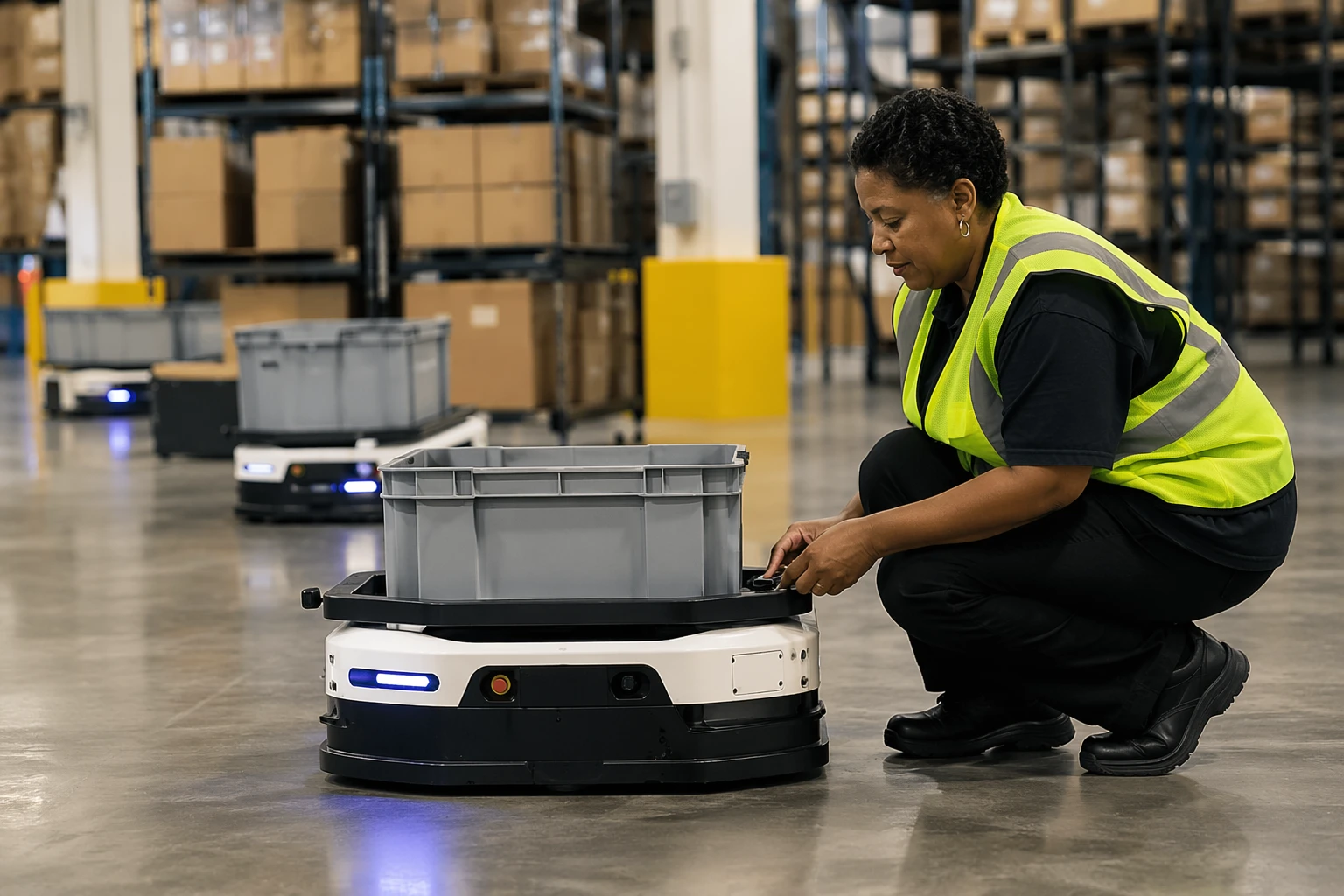
RaaS is strongest when a business wants the benefit of automation without the burden of ownership. A rental arrangement can make sense when demand is seasonal, when a company wants to test a machine before committing, or when the work is specialized enough that buying the robot would expose the buyer to rapid hardware depreciation. In that sense, the business case is less about owning a robot and more about buying access to a function.
The model also reduces the need for in-house technical expertise at the start. Smaller firms often do not have robotics engineers on staff, so a managed lease can bundle setup, software, and ongoing support into a monthly bill. That makes automation easier to adopt for operators that need results quickly but do not want a large integration project on the balance sheet.
Recent product launches show how broad the rental market has become. Agibot has made humanoid, wheeled, and quadruped robots available to rent for nearly $1,000 per day, a sign that the model now extends beyond a single type of machine. The fact that companies are putting such different form factors on rental terms suggests that customers are no longer just buying a robot body; they are buying a service package built around a specific task.
Where the model still falls short
The tradeoff is control. When a company rents, it depends on the vendor for setup, software updates, and ongoing support instead of owning the machine outright. That can simplify adoption, but it also means the customer is tied to the vendor’s schedule for maintenance, upgrades, and troubleshooting.
That dependency matters most when the robot becomes essential to daily operations. A hotel that relies on rental robots for guest delivery, or a warehouse that depends on rented units for logistics, is still exposed to service interruptions and contract terms it does not fully control. The economics are strongest when flexibility is valuable; they weaken when the machine becomes core infrastructure and the company wants long-term control over the asset.
The market data point in the same direction. Service robots are expanding quickly, but the strongest gains are concentrated in transport, logistics, hospitality, cleaning, and healthcare, not in every possible use case. That suggests RaaS works best where labor gaps are real, tasks are repetitive, and the cost of waiting is higher than the cost of renting. As more firms choose subscriptions over purchases, the competitive question is no longer whether robots can do the job, but which jobs are worth outsourcing to a machine that never stops being someone else’s hardware.
Sources
- [1]bbc.co.uk
- [2]ifr.org
- [3]businesswire.com
- [4]forbes.com
- [5]marketsandmarkets.com