Technology
Report says consent, not nudity, should define image abuse in Pakistan

A photo without a hijab, a dance at a wedding, or a screenshot of a private conversation can become abuse when it is shared without consent. That is the central argument in Chayn’s Not Just Nudes: Defining Image-Based Abuse in Pakistan and the Diaspora, built from more than two years of conversations with over 60 Pakistani women from cities and villages across Pakistan and from the diaspora.
The women Chayn spoke with included students, mothers, teachers, activists, celebrities, sex workers and entrepreneurs. Their accounts point to a gap in law, moderation and reporting systems: too many tools still treat image abuse as a narrow problem of nude or explicit material, even though the harm in many cases comes from the violation of privacy itself. Chayn’s related taxonomy, developed from qualitative interviews, classifies content as private, intimate or harmful when it is shared without consent.
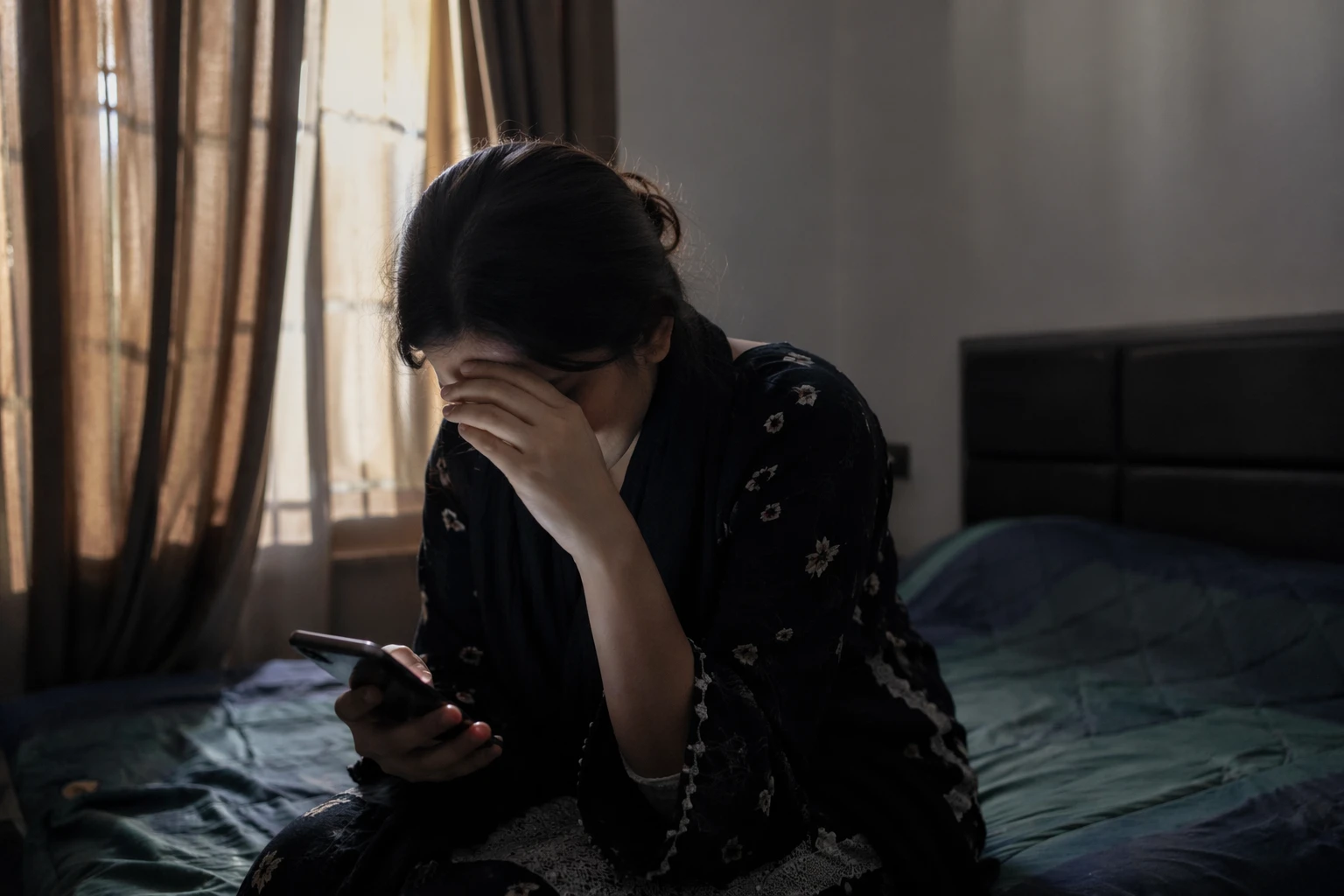
That distinction matters in Pakistan because the damage is often collective. Chayn says family and community can play a central role in how abuse spreads and escalates, turning a single upload into a wider social punishment that can follow women for years. The report places image-based abuse within a broader pattern of digital violence against women that includes sextortion, unwanted sharing of intimate photos, doxing, cyberstalking and the use of technology to locate survivors of offline abuse. UN Women uses the same wider frame for digital violence, showing that the problem reaches well beyond explicit imagery.
The policy contrast is stark. In England and Wales, the UK government says abusers who share intimate images without consent can face up to six months in prison. The Law Commission says the government has accepted its recommendations on intimate image offences, and several have been implemented through the Online Safety Act 2023. Chayn also points to StopNCII.org, a free tool for victims of non-consensual intimate image abuse that says it has removed more than 300,000 individual images from the internet and reports an over 90% removal rate.

For Pakistan, the report lands on a blunt conclusion: protection cannot be built around nudity alone. The missing standard is consent, and until laws and platforms adopt it, many forms of image-based abuse will continue to fall through the cracks.
Sources
- [1]bbc.com
- [2]reports.chayn.co
- [3]gov.uk
- [4]lawcom.gov.uk
- [5]stopncii.org
- [6]eca.unwomen.org