Politics
Republican Senate Defections Challenge Trump Priorities
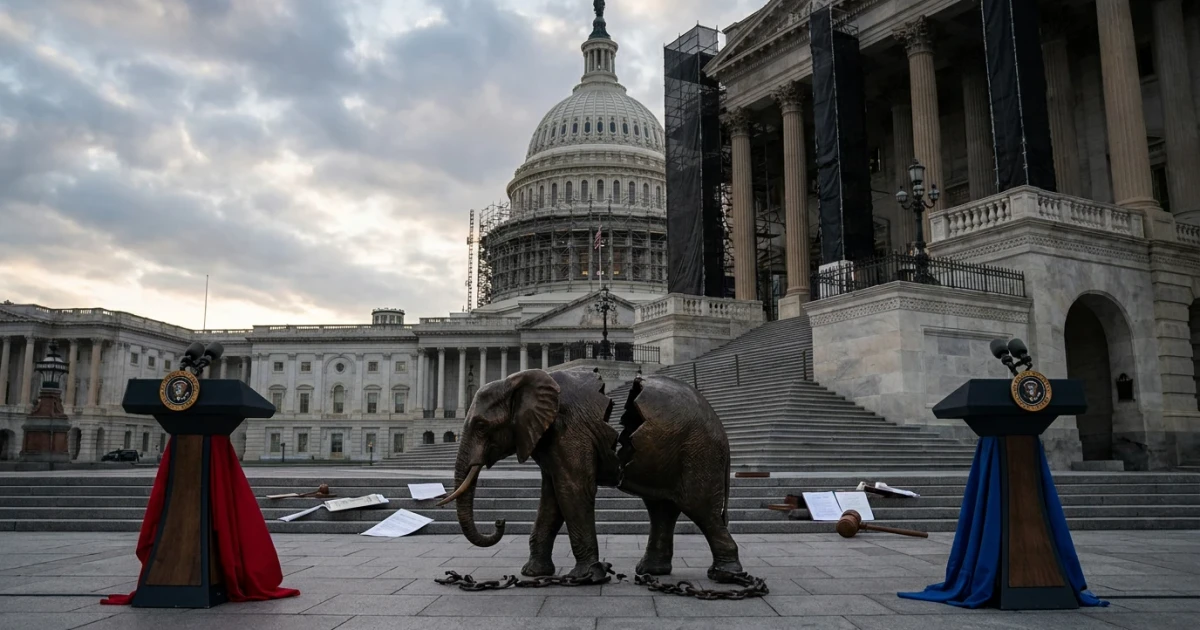
Senate Republicans are increasingly diverging from former President Donald Trump’s legislative agenda, as a series of recent defections on key votes underscores growing divisions within the party. The trend, highlighted by a spate of high-profile votes, suggests that Trump’s grip on Senate GOP unity is loosening as lawmakers chart their own paths on policy and governance.
Growing Wave of Defections
According to Yahoo’s recent report, several Republican senators have parted ways with Trump-backed priorities in recent months, voting against measures strongly associated with the former president’s platform. This development has been confirmed by a review of official Senate roll call votes for the current legislative session, which show a notable uptick in GOP senators opposing or abstaining from Trump-aligned legislation.
- Multiple bills and amendments with Trump’s endorsement have failed to garner unified Republican support.
- Records show an increase in cross-party collaborations, with moderate Republicans siding with Democrats on select issues.
- Analysis of 2023 Senate voting data highlights the widening rift, with more Republicans voting independently compared to previous sessions.
Key Issues Dividing the Party
While the Yahoo report did not specify every vote, previous legislative sessions and data from Congress.gov’s bill tracker indicate that major flashpoints include:
- Border security and immigration reforms, where some Republicans have favored bipartisan compromise over stricter Trump-backed measures.
- Foreign policy resolutions, particularly regarding aid to Ukraine and NATO support, where dissenting senators have prioritized traditional alliances over isolationist stances.
- Domestic spending and infrastructure, with a faction supporting increased investment despite Trump’s calls for fiscal restraint.
Changing Political Alignments
Research from the Pew Research Center charts the evolution of Republican senators’ positions over time, highlighting a gradual move away from strict party-line support on Trump priorities. While some senators remain closely aligned with Trump’s agenda, others have staked out more moderate or independent positions, often reflecting the preferences of their home-state constituencies.
The Brookings Institution further notes that such defections are not without precedent, but the current scale and frequency mark a significant shift compared to the earlier Trump years, when party unity was at a premium.
Implications for Legislative Outcomes
This growing divide has tangible impacts on the fate of Trump-backed initiatives in the Senate. Bills that once might have sailed through on party-line votes now face uncertain outcomes, compelling Republican leaders to seek more compromise and negotiation both within and across party lines. The lack of cohesion complicates efforts to advance Trump’s preferred policies and signals a recalibration of the party’s priorities heading into future election cycles.
What This Means for the GOP
For Republican senators, these defections represent an effort to balance loyalty to Trump with responsiveness to shifting political currents and constituent demands. As legislative records and voting data make clear, the Republican caucus is no longer monolithic in its approach to Trump’s agenda. Voters and political observers will be watching closely to see how these realignments affect the party’s legislative effectiveness and electoral prospects.
In sum, the latest round of Senate votes marks a pivotal moment for the GOP, as internal divisions over Trump priorities become more pronounced. Whether this trend leads to a lasting redefinition of Republican identity or renewed efforts at party unity remains to be seen, but its effects on the legislative landscape are already visible.