Politics
Republican senators slam Trump’s Iran deal as foreign policy blunder
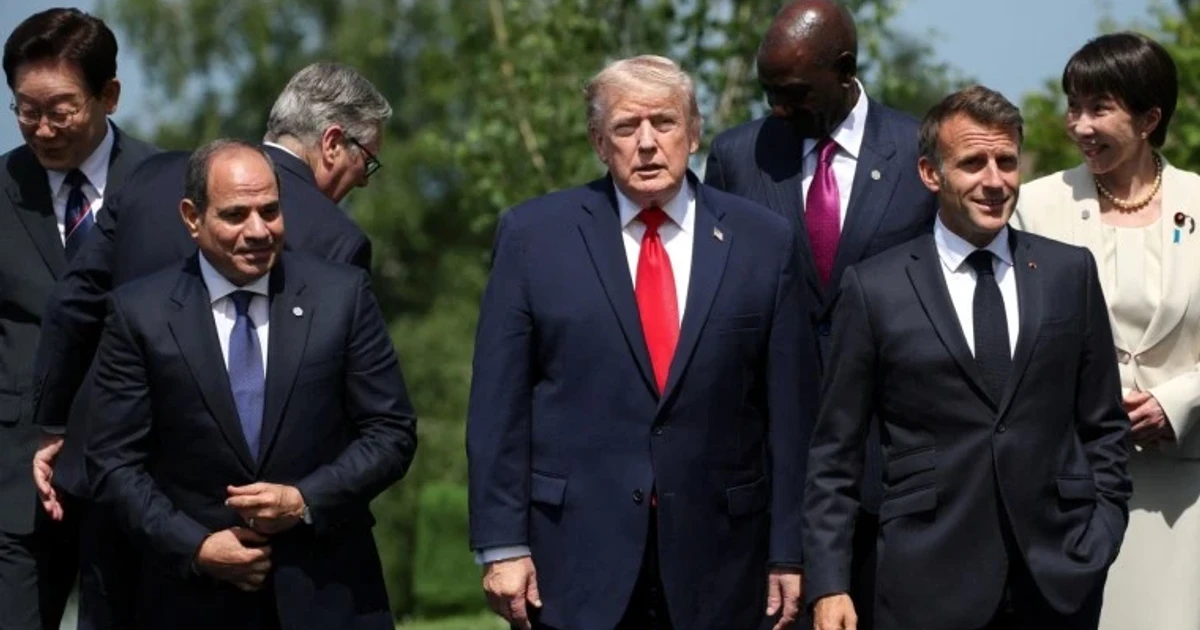
Republican criticism of Donald Trump’s Iran memorandum hardened quickly into a broader test of his foreign policy, with Bill Cassidy, Thom Tillis and Ted Cruz all attacking a 14-point framework that would reopen the Strait of Hormuz, lift sanctions and launch 60 days of nuclear talks. The unusual coalition has put pressure on the White House to explain whether the deal is a tactical pause or a strategic reset that could strengthen Tehran before a final agreement is even written.
The memorandum of understanding was signed on Wednesday, June 17, 2026, and has been described as a U.S.-Iran interim arrangement aimed at ending the war, reopening the waterway that carries much of the world’s oil, and setting the stage for follow-on negotiations over Iran’s nuclear program. Reported terms also include a U.S. commitment to work toward a $300 billion reconstruction and development plan for Iran, along with sanctions relief that would allow Tehran to sell oil again. Some of the major details remain disputed, and parts of the agreement have not been independently verified by both governments.
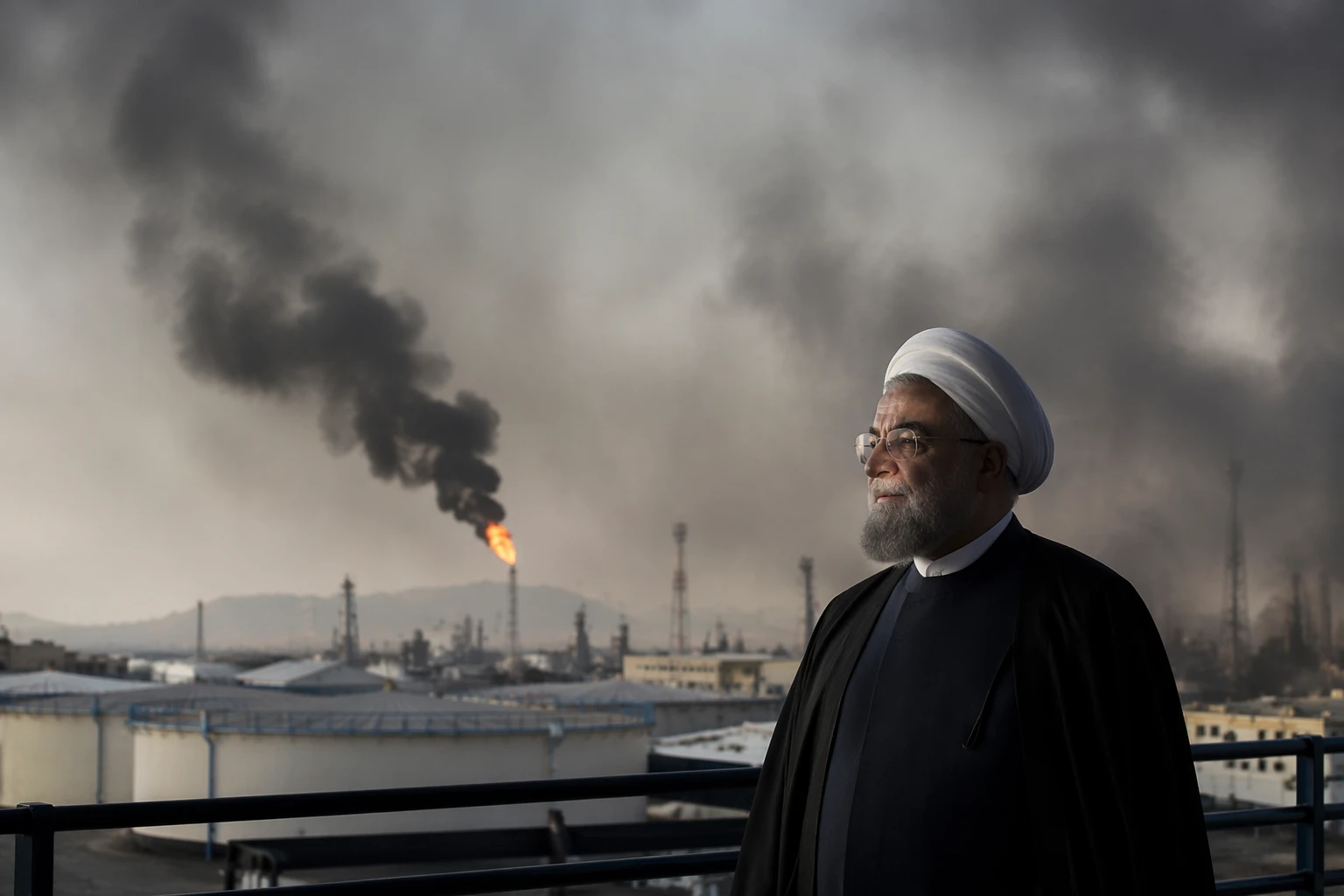
Cassidy has emerged as one of the sharpest Republican critics. He reportedly called the deal the “worst foreign policy blunder in decades” and later said, “Reagan is rolling over in his grave.” CBS News reported that Trump singled him out after attacking critics as “fools,” and as “either jealous, bad people, or stupid,” a barrage that underscored how personally the president has taken the backlash. CBS also noted that Cassidy was one of just seven Republicans who voted to impeach Trump after Jan. 6, a history that has made him a familiar target in the president’s orbit.
Cruz has also pressed hard, saying he was “deeply concerned” about the emerging terms of the deal. Thom Tillis joined the criticism, while Lindsey Graham offered only cautious support, signaling that backing in the Republican conference may depend on whether the agreement becomes verifiable and tighter on Iran’s nuclear program. That hesitation reflects a deeper party split over how far Trump should go in trading sanctions relief and diplomatic concessions for a ceasefire-style arrangement.
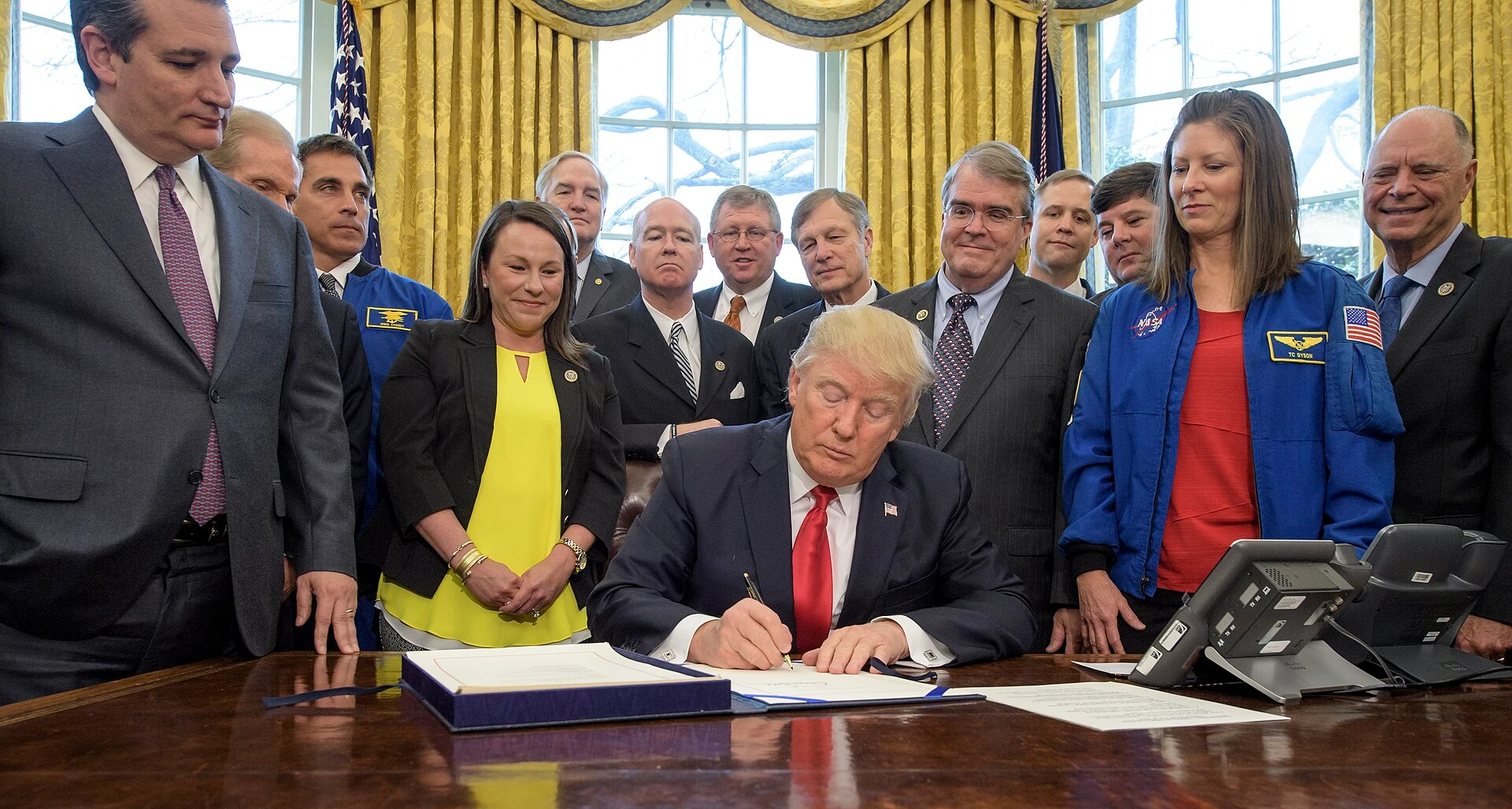
The political backdrop is just as important as the substance. In May 2026, Senate Republicans advanced a war-powers resolution to limit Trump’s ability to conduct military action against Iran without congressional approval, and Cassidy later voted to advance it. The 50-47 vote showed that resistance to Trump’s Iran policy was already building before the memorandum surfaced. Oil prices fell after the agreement was reported, giving the White House an immediate market response to point to, but also sharpening the question of whether the deal marks a durable shift in U.S. policy or a fragile truce that still lacks the support needed to survive in Washington.
Sources
- [1]cbsnews.com
- [2]militarytimes.com
- [3]axios.com
- [4]thehill.com
- [5]newsfromthestates.com