US News
Republicans Advance ICE Funding Amid Partisan Divide
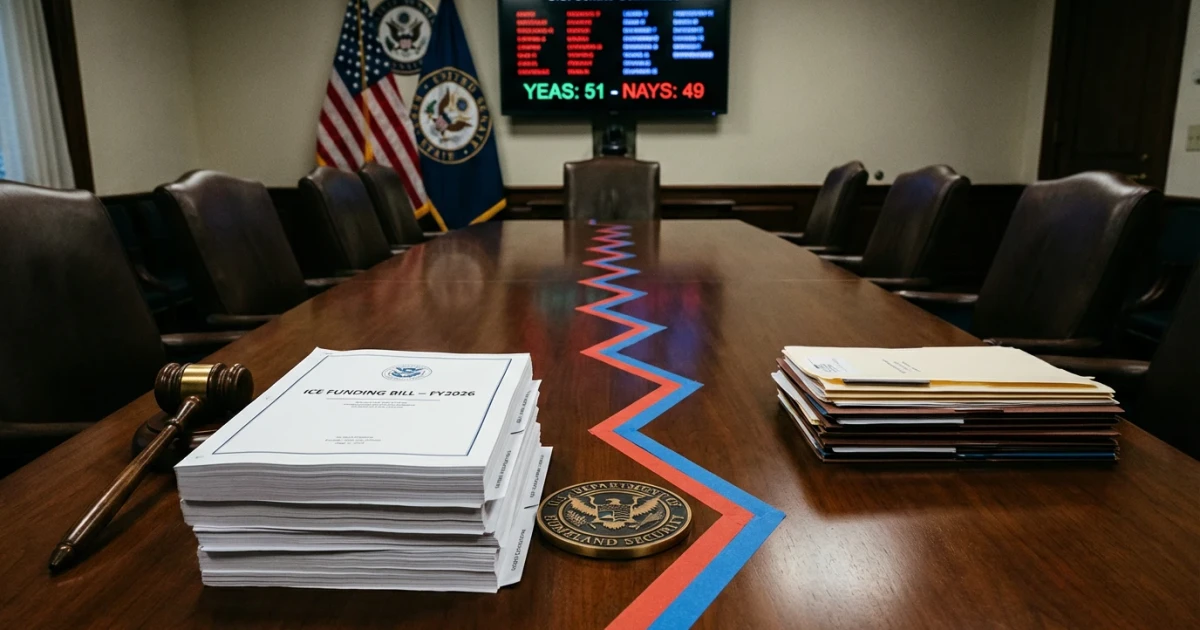
Senate Republicans have taken a significant initial step toward funding U.S. Immigration and Customs Enforcement (ICE) without support from Democrats, a move that underscores the deepening partisan divide over immigration policy and federal budget priorities. The action, first reported by The Washington Post, signals a shift in legislative strategy as the two parties remain at odds over the future of immigration enforcement in the United States.
Republican Push for Independent ICE Funding
Republicans in the Senate have advanced a plan to secure funding for ICE, aiming to bypass the need for bipartisan agreement. The effort comes as negotiations over broader government spending remain stalled, with Democrats opposing key provisions related to immigration enforcement and affordability measures.
This legislative maneuver reflects ongoing disputes over the scope and scale of ICE operations. Republicans have argued that robust funding is essential for maintaining border security and law enforcement, while Democrats have raised concerns about the agency's practices and the impact of increased detention and removal operations. The partisan standoff has made it increasingly difficult to reach consensus on comprehensive Department of Homeland Security appropriations bills, leading to efforts to address ICE funding as a standalone issue.
Debate Centers on Immigration Enforcement and Affordability
The Republican-led push follows the Senate's adoption of a GOP budget, which defeated a series of Democratic proposals focused on affordability and social spending. According to The Washington Post, the failure of these measures has intensified partisan disagreements, particularly around how federal funds should be allocated for immigration enforcement versus social services.
- Republicans contend that adequate ICE funding is critical for national security and upholding immigration law.
- Democrats argue that increased ICE funding could exacerbate issues related to detention conditions and family separations, and prefer to redirect resources toward community-based alternatives and economic support programs.
The stalemate highlights broader ideological divides over the federal approach to immigration enforcement actions and the use of detention and removal operations.
Implications for Federal Budget and Immigration Policy
The Republican initiative could reshape the legislative landscape for immigration policy, as funding ICE without bipartisan support may set a precedent for future appropriations battles. If the effort succeeds, it could embolden further partisan approaches to other key components of the federal budget.
Experts note that ICE's budget and operations have long been a flashpoint in congressional negotiations. According to the Congressional Research Service, ICE detention capacity and funding have been the subject of intense debate, with proposals ranging from expanded facilities to enhanced oversight and reductions in detention spending.
Next Steps and Outlook
As the legislation moves forward, its prospects will depend on the ability of Senate Republicans to maintain unity and navigate potential procedural hurdles. The outcome will likely influence both the near-term functioning of ICE and the broader political climate surrounding immigration policy ahead of future elections.
While the immediate focus remains on securing ICE funding, the ongoing partisan rift suggests that comprehensive immigration reform and budget consensus will remain elusive. Observers will be watching closely to see whether this latest move leads to further polarization or ultimately prompts renewed negotiations between the parties.