Politics
Republicans Block Congressional Bid to Curb Trump’s Venezuela Powers
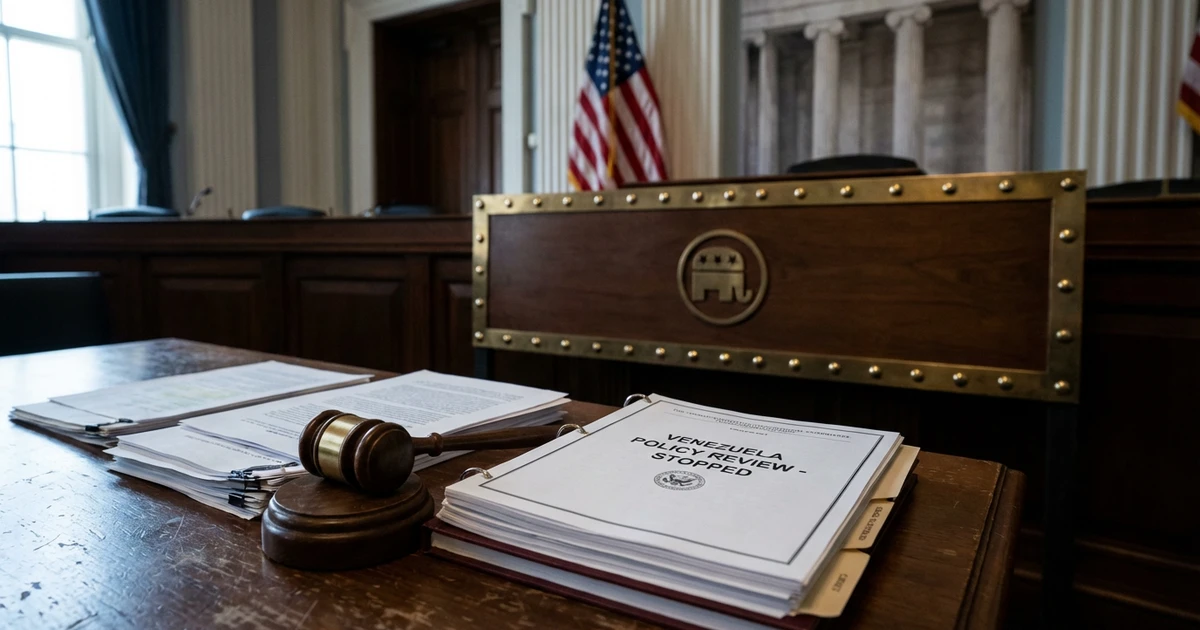
Republican lawmakers in Congress have blocked an initiative to restrain former President Donald Trump’s authority regarding U.S. policy in Venezuela, marking a pivotal moment in the ongoing debate over the balance of power between the legislative and executive branches on foreign affairs.
The Blocked Measure and Its Context
The effort, which was halted in Congress, sought to impose new checks on the president’s unilateral ability to dictate American engagement and response to the political crisis in Venezuela. The move comes against the backdrop of years of U.S. involvement in Venezuela’s internal affairs, with the Trump administration having taken a notably hardline stance, including the imposition of sweeping sanctions and support for opposition figures challenging the regime of Nicolás Maduro.
Republican Rationale and Partisan Divide
Republican leaders defended their decision by emphasizing the need for a strong executive hand in matters of foreign policy, particularly in regions facing instability. The debate has highlighted a growing partisan divide, with Democrats and some moderates expressing concern that unchecked presidential authority could risk entangling the United States in foreign crises or undermine diplomatic solutions. The Republican position reflects a broader trend of supporting executive flexibility in international affairs, especially on issues deemed as critical to national security.
Implications for U.S.-Venezuela Relations
The blocked measure has significant implications for ongoing U.S. policy in Venezuela. Under the Trump administration, the United States led efforts to isolate the Maduro government through economic and diplomatic pressure. Congressional oversight proponents argue that without legislative checks, future administrations could escalate or alter strategies without broader consensus, potentially impacting both regional stability and the welfare of the Venezuelan people.
Historical Precedent and Executive Power
This episode is part of a long-running debate over the scope of presidential authority in foreign policy. Historically, Congress has periodically sought to reassert its constitutional role, especially in moments of heightened international tension. However, presidents of both parties have often resisted such constraints, citing the need for unity and speed in crisis response.
Looking Ahead
With the measure blocked, the executive branch retains considerable leeway in shaping U.S.-Venezuela policy. Observers anticipate that the issue is likely to resurface, especially if future developments in Venezuela prompt renewed calls for legislative oversight. The partisan split underscores the challenges of forging consensus on U.S. foreign policy in an era of deep political division.
For further reading on congressional oversight and U.S. policy in Venezuela, visit the U.S. Congress official site and the U.S. State Department’s Venezuela page.