Politics
Republicans Break Ranks on Trump in Rare Show of Dissent
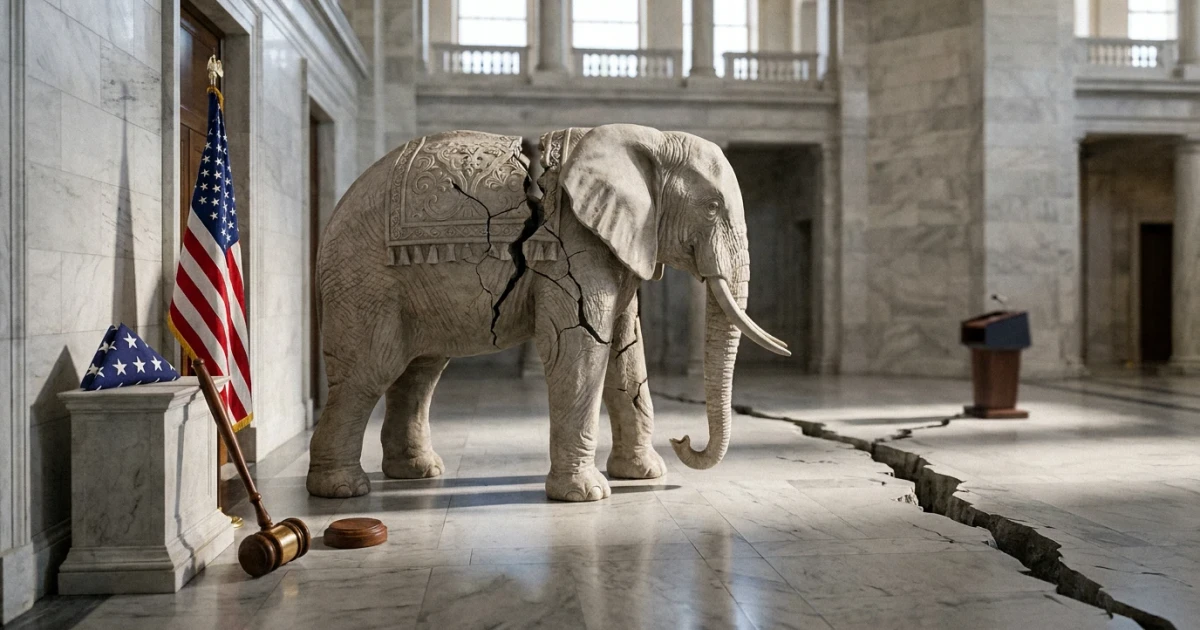
Republican legislators and party leaders have made a rare public stand against Donald Trump’s influence, signaling growing tensions within the GOP as the former president continues to shape the party’s direction. The New York Times reported that this open opposition is an unusual development, given the party’s recent history of loyalty to Trump.
Public Dissent Emerges in the GOP
While the Republican Party has largely rallied behind Trump since 2016, recent events have prompted a notable minority to voice their concerns. According to The New York Times, a handful of Republican lawmakers broke with the former president on key issues, expressing frustration over his ongoing influence and his attempts to direct the party’s agenda.
- Some GOP members voted against Trump-endorsed initiatives in Congress, as seen in recent roll call votes.
- Public statements from these lawmakers emphasized their commitment to institutional norms and traditional conservative values over personal loyalty to Trump.
- This dissent comes despite the risk of primary challenges, fundraising setbacks, or backlash from the party base, as detailed in Federal Election Commission records.
Historical Context of GOP Loyalty
Trump’s hold on the Republican Party has been well documented. According to the Council on Foreign Relations, party leaders have rarely contradicted the former president, even in the face of controversial policies or rhetoric. This recent wave of dissent is therefore significant, marking a potential shift in party discipline and internal debate.
Data from the Pew Research Center highlights that party polarization remains high, with most Republican voters still supportive of Trump. However, the emergence of dissenting voices suggests cracks in the party’s unified front, especially among lawmakers who represent more moderate or swing districts.
Party Dynamics and Potential Consequences
Analysts note that such acts of dissent are often short-lived or limited in scope. Congressional report cards from GovTrack show that only a small fraction of Republican members consistently vote against party leadership or Trump-endorsed positions. Still, even rare public opposition can influence legislative negotiations and the party’s public image.
Brookings Institution research into Republican primary voters reveals that the party’s base remains largely loyal to Trump, but also identifies a smaller faction seeking a return to traditional conservatism. These dynamics complicate efforts by dissenters to build momentum within the party.
Looking Ahead
While this rare show of dissent may not immediately alter the GOP’s trajectory, it reflects ongoing debates over the party’s identity and leadership. As the 2026 midterms approach and Trump’s role remains central, the actions of these dissenting Republicans could shape future intra-party contests, endorsements, and legislative coalitions.
For readers interested in a deeper dive, official vote records can be explored through Congress.gov, with further analysis of party loyalty available via GovTrack and data on polarization at the Pew Research Center.