Politics
Republicans gain edge as mid-decade redistricting reshapes House races
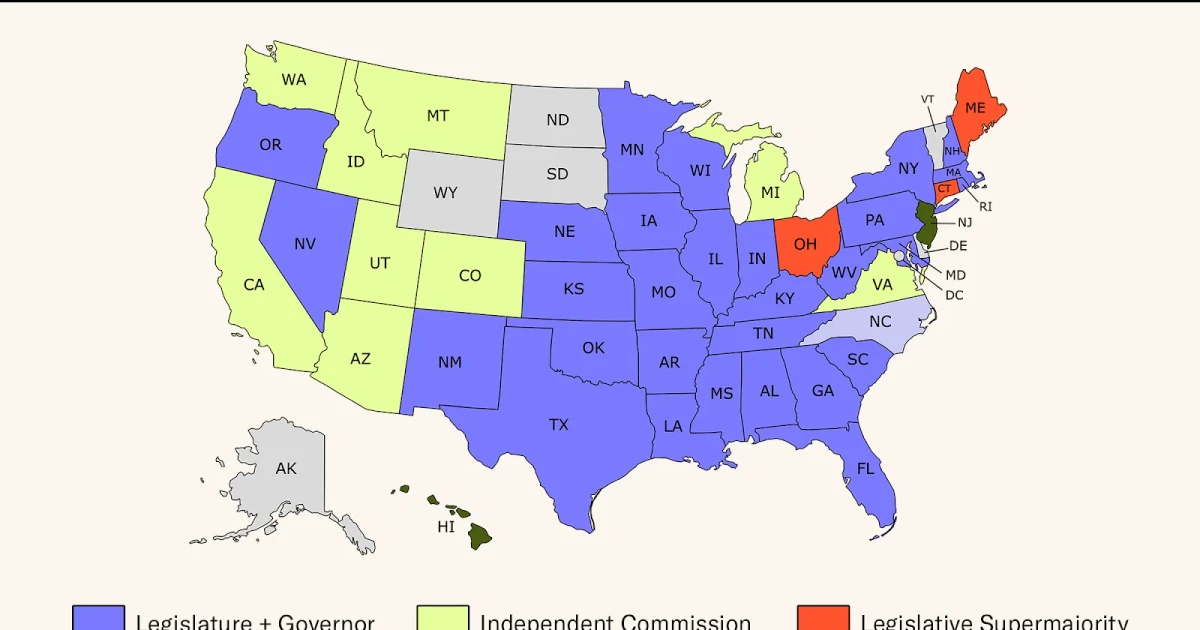
Republicans have turned a once-routine redistricting cycle into a fight over the shape of House power, and the numbers suggest a real but uneven advantage. The strongest GOP gains are concentrated in a handful of states, while Democrats are left to defend a smaller set of opportunities in California and Utah. Whether that map change translates into control of the House will depend on turnout, litigation, and a narrow slice of districts where margins are still fluid.
The battle began last year in Texas after Donald Trump urged Republicans to redraw congressional lines, then spread to Alabama, California, Florida, Louisiana, Missouri, North Carolina, Ohio, Tennessee and Utah. By early June 2026, 10 states had enacted new congressional maps, an unusually large number for a cycle between censuses. The National Conference of State Legislatures said mid-decade redistricting at this scale has not been seen since the 1800s, underscoring how far this cycle has moved beyond ordinary post-census mapmaking.
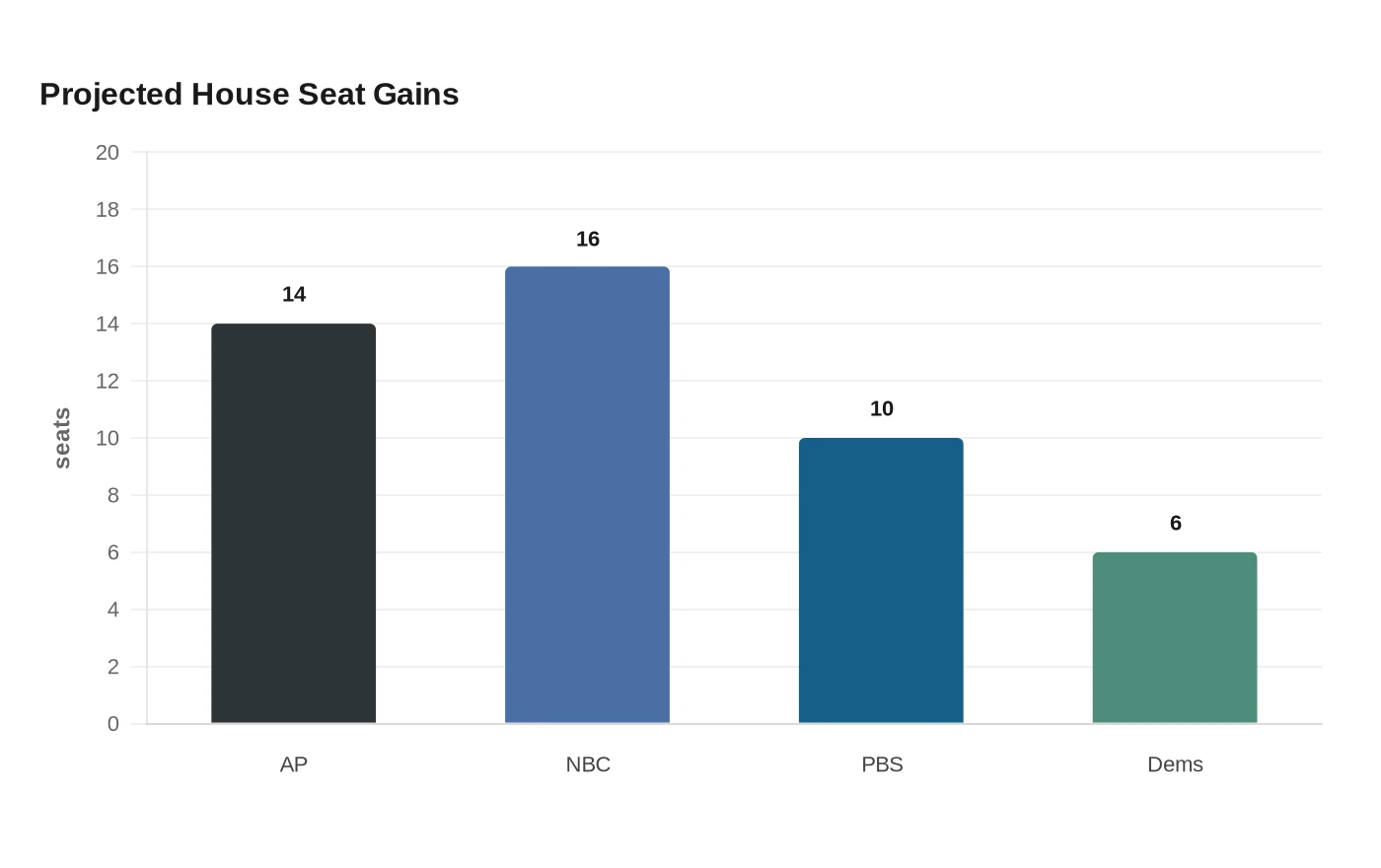
The arithmetic varies by source, but the range points in the same direction. The Associated Press said Republicans believe they could win up to 14 additional House seats from the new lines, while NBC News put the GOP ceiling at as many as 16. Democrats, for their part, see as many as six seats in reach from new districts in California and Utah. PBS News offered a more conservative estimate, saying Republicans could net about 10 additional U.S. House seats if the new districts perform as intended. That spread matters because the fight is not over the whole map, but over a few states where small changes in district lines can decide several seats at once.
Those states are the ones where the balance of power is most likely to shift: Texas, Florida, North Carolina, Ohio, Tennessee, Alabama and Louisiana for Republicans, with California and Utah as the main Democratic counterweights. Court rulings intensified the stakes. The U.S. Supreme Court’s decision in Louisiana v. Callais weakened some Voting Rights Act protections in redistricting, and the Virginia Supreme Court blocked a voter-approved map that Democrats had hoped would produce as many as four additional House seats. In Alabama, the Supreme Court on June 2 cleared the way for the state to use a 2023 map, and special primary elections for affected congressional districts were set for August 11.
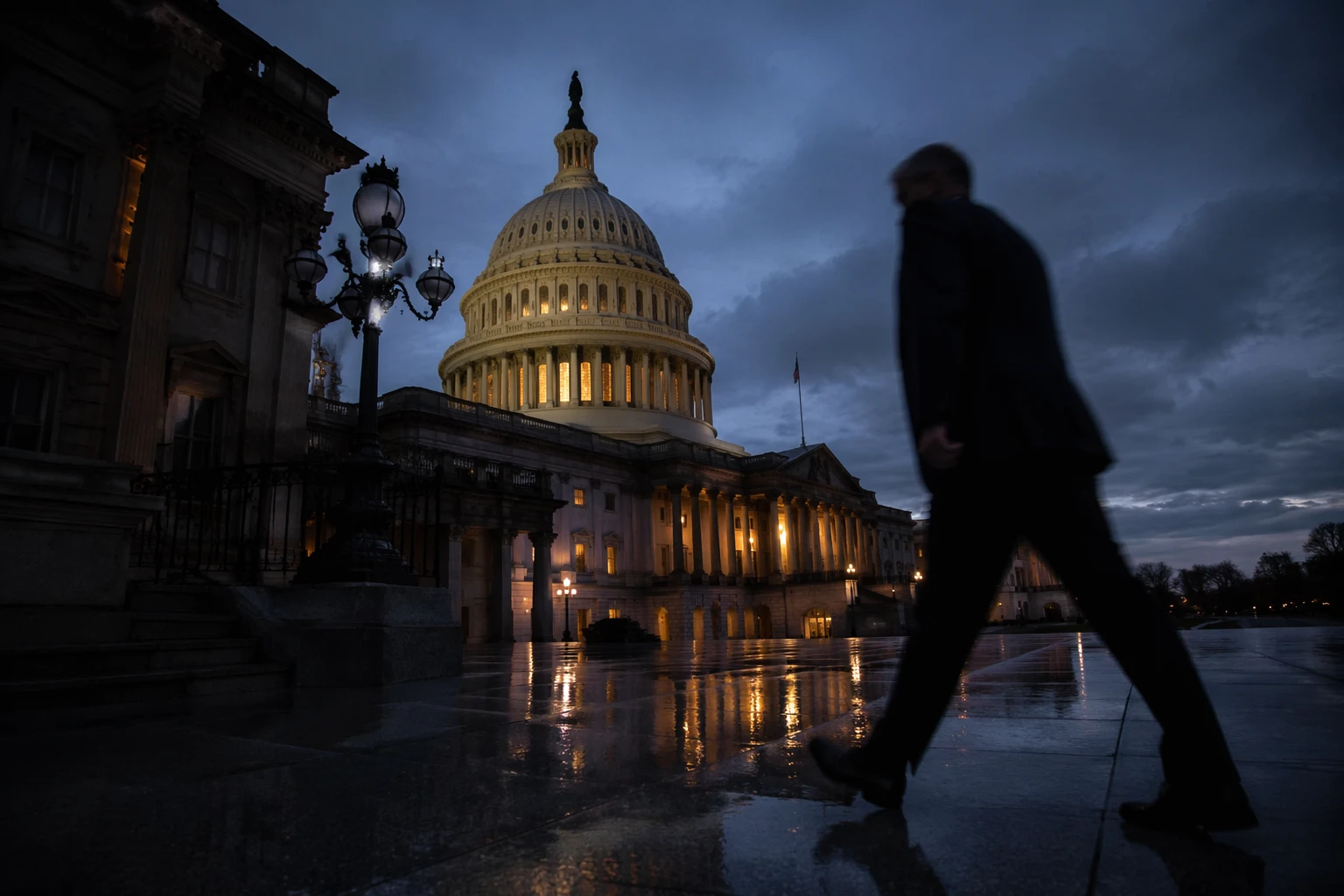
Republicans are selling the map changes as a structural edge, and their own data backs that claim in part: the National Republican Congressional Committee said on June 9 that Republicans had gained more than 229,000 voters relative to Democrats across 28 battleground districts since the 2024 election, with about a five-point improvement in registration margin. Democrats say that still does not settle the race for the House, because turnout, candidate quality and the usual midterm drag on the president’s party can still overwhelm a redistricting advantage. PBS News estimated nearly 145 million people now live in states with new congressional districts, which means the outcome will be shaped not just by a few lines on a map, but by how those lines perform when voters actually cast ballots.
Sources
- [1]cbsnews.com
- [2]ap.org
- [3]nbcnews.com
- [4]pbs.org
- [5]ncsl.org
- [6]nrcc.org