Politics
Republicans Push Back on Trump’s Germany Troop Withdrawal Plan
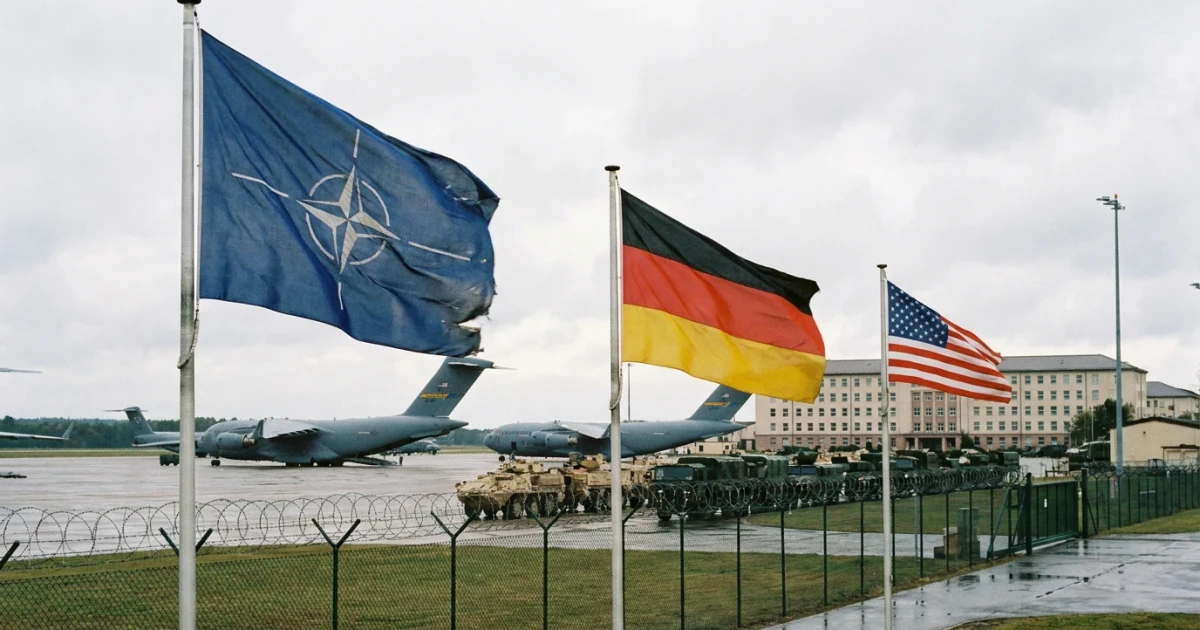
Top Republican leaders have raised alarms over Donald Trump’s recent proposal to withdraw U.S. troops from Germany, a move that has reignited debate about America’s military commitments and its role within the NATO alliance.
Concerns Over Security Commitments
According to Reuters, several senior Republican lawmakers expressed unease about the potential consequences of reducing the U.S. military presence in Germany. These concerns center on the strategic importance of the U.S. military presence in Europe, particularly in Germany, which has long served as a hub for American operations on the continent.
- Germany hosts the largest contingent of U.S. troops in Europe, with over 35,000 personnel stationed there as of 2022.
- U.S. bases in Germany play a crucial role in supporting NATO missions, providing logistics, training, and rapid response capabilities.
Political Reactions Across the Aisle
Republican opposition to the withdrawal plan underscores bipartisan support in Congress for maintaining a robust U.S. military footprint in Europe. Past legislative actions, such as the National Defense Authorization Act for Fiscal Year 2021, included provisions requiring Congressional oversight of any significant changes to troop levels in Germany, reflecting longstanding concerns about the strategic impact of such moves.
Many lawmakers argue that withdrawal could undermine NATO’s deterrence posture and embolden adversaries. The U.S. force presence is seen as both a reassurance to European allies and a warning to potential threats in the region. RAND Corporation analysis has found that U.S. bases in Germany are integral to rapid deployment and support for operations in Eastern Europe and beyond.
Strategic and Economic Implications
Beyond security, the presence of U.S. troops in Germany has economic and diplomatic implications. Bases support thousands of American and local jobs, and their operations are intertwined with bilateral agreements between Washington and Berlin. According to the Government Accountability Office, any reduction in troop numbers would involve complex logistical challenges and could affect U.S. readiness in Europe.
- Germany’s strategic location allows for rapid movement of forces throughout Europe, North Africa, and the Middle East.
- NATO data shows Germany consistently contributes among the largest national defense budgets in the alliance.
Broader NATO and Alliance Dynamics
The U.S. military presence in Germany has historically been a pillar of NATO’s collective defense strategy. Some analysts have noted that withdrawal could strain relations with key allies, reduce interoperability, and send mixed signals about American commitments. While Trump and his supporters have argued for reducing overseas military costs and encouraging European allies to shoulder more of their own defense, critics caution that abrupt drawdowns might create security vacuums or logistical burdens for remaining forces.
What’s Next?
With Republican leaders voicing public reservations and existing laws requiring Congressional consultation, Trump’s proposed troop removal faces significant obstacles. As debate continues, the future of the U.S. military role in Germany remains a crucial test of American defense strategy and transatlantic partnerships.