Politics
Republicans Unveil Plan to End DHS Shutdown Amid Ongoing Dispute
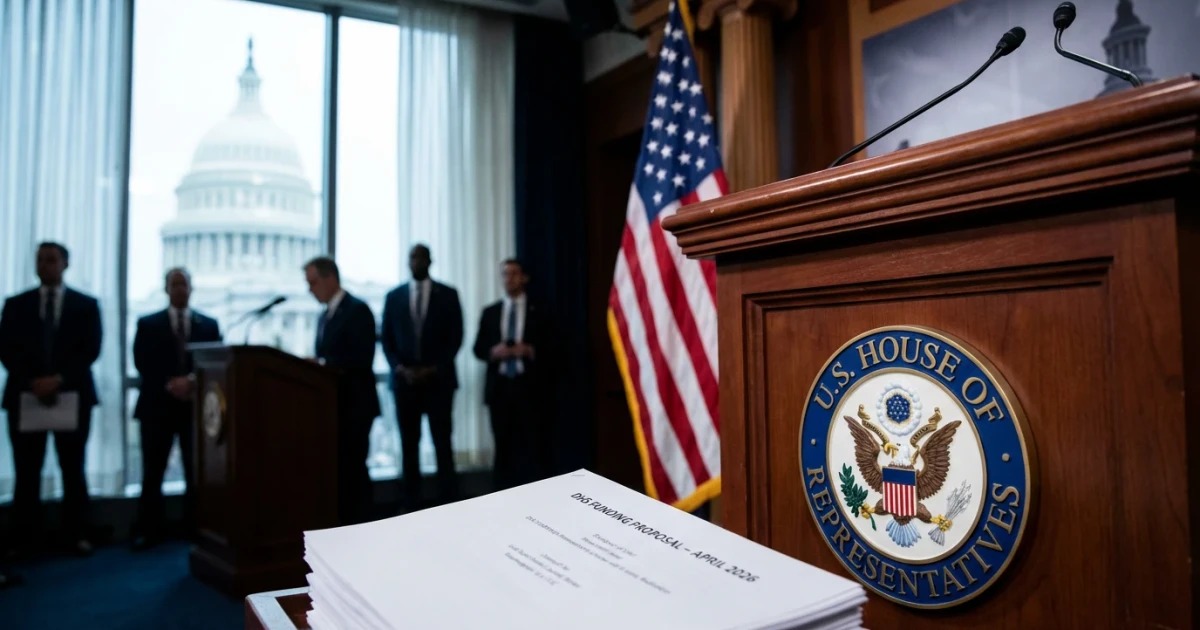
Congressional Republicans have unveiled a proposal aimed at ending the ongoing shutdown of the Department of Homeland Security (DHS), but deep political divisions remain as lawmakers continue to spar over the agency’s funding and broader immigration policy issues.
Shutdown Impacts and Political Stalemate
The DHS shutdown has affected a range of critical security functions, from border security operations to disaster response coordination, as described in government shutdown resources. While essential personnel have continued to work without pay, many non-critical programs have been suspended or delayed, raising concerns over national security and public safety.
The shutdown resulted from an impasse in Congress, with funding for the DHS caught in the crossfire of larger debates over immigration enforcement and border policies. According to the Congressional Research Service, previous shutdowns have hampered agency effectiveness and led to mounting budgetary pressures.
Republican Proposal and Legislative Path
The plan announced by Republican leaders aims to restore full funding to DHS and bring furloughed employees back to work. While details of the proposal have not been fully disclosed, it is expected to include provisions that address border security measures, a longstanding point of contention between parties. The legislative process for appropriating funds for DHS is outlined in the official Congressional record, with past appropriations often serving as a template for negotiations.
Despite this new effort, Democrats have signaled concerns that the proposal may contain policy riders or conditions they find unacceptable, particularly relating to immigration enforcement. The ongoing standoff underscores the broader political battle that has defined recent appropriations cycles in Congress.
Budgetary and Operational Consequences
- Essential operations continue: Many DHS employees, including those in the Transportation Security Administration and Customs and Border Protection, have continued to work without pay, according to the DHS Budget-in-Brief.
- Delayed programs: Training, grant distribution, and non-urgent administrative functions have been postponed, impacting state and local preparedness initiatives.
- Financial strain: The Government Accountability Office has previously noted that shutdowns contribute to increased costs and administrative backlogs, making future recovery more difficult.
Outlook and Next Steps
As negotiations continue, attention remains focused on whether Congress can reach a bipartisan agreement to restore DHS funding without further delays. While the Republican plan marks a step toward resolving the shutdown, the likelihood of a swift resolution is uncertain given ongoing divisions over immigration and security policy.
Observers suggest that the path forward will depend on both parties' willingness to compromise and address the underlying policy disputes that have repeatedly led to funding impasses. For now, the DHS shutdown remains a focal point in the broader debate over federal budget priorities and border security.